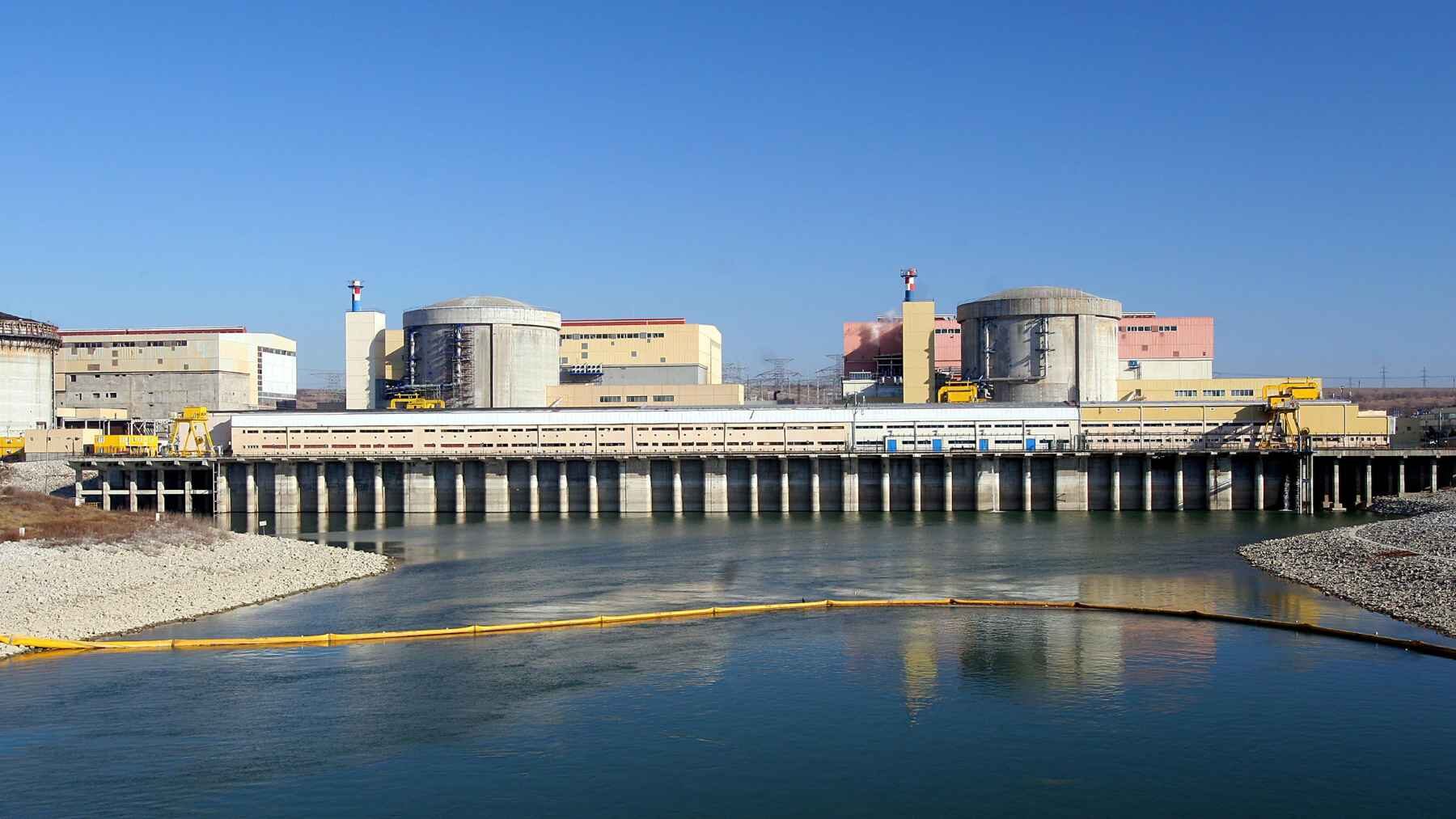
Romania has placed its energy sector under a nationwide 30-day state of alert after exceptionally low Danube levels forced Unit 1 at the Cernavodă nuclear plant offline and put Unit 2 under continuous review. This is an energy-sector alert adopted by the National Committee for Emergency Situations, not a broader constitutional state of emergency.
Emergency river works have kept Unit 2 online for now, but the latest hydrological outlook says levels around the plant may keep falling through Aug. 16. Romania has bought several days, not solved the water crisis.
The Danube reaches a critical threshold
At Romania’s upstream entry point, the Danube was flowing at 1,650 cubic meters per second on July 28, around one-third of the long-term July average of 4,750. By Aug. 6, the flow had fallen to about 1,400 cubic meters per second, matching the lowest level cited in Romania’s historical records.
Nuclearelectrica shut Unit 1 down in a controlled manner on July 28 under procedures for severe drought. The operator stressed that the preventive shutdown had no impact on nuclear safety, plant personnel, or the environment.
One river supports one-fifth of Romania’s power
Cernavodă has two roughly 700-megawatt units that normally provide about 18 to 20% of Romania’s electricity. Losing one unit therefore removes a substantial block of steady generation just as sticky summer heat pushes up evening demand.
The river is part of the plant’s infrastructure because its water supports the systems that remove heat and keep operating parameters inside approved margins. When intake conditions become too poor, shutting a unit before those margins are squeezed is the safety measure working as intended.
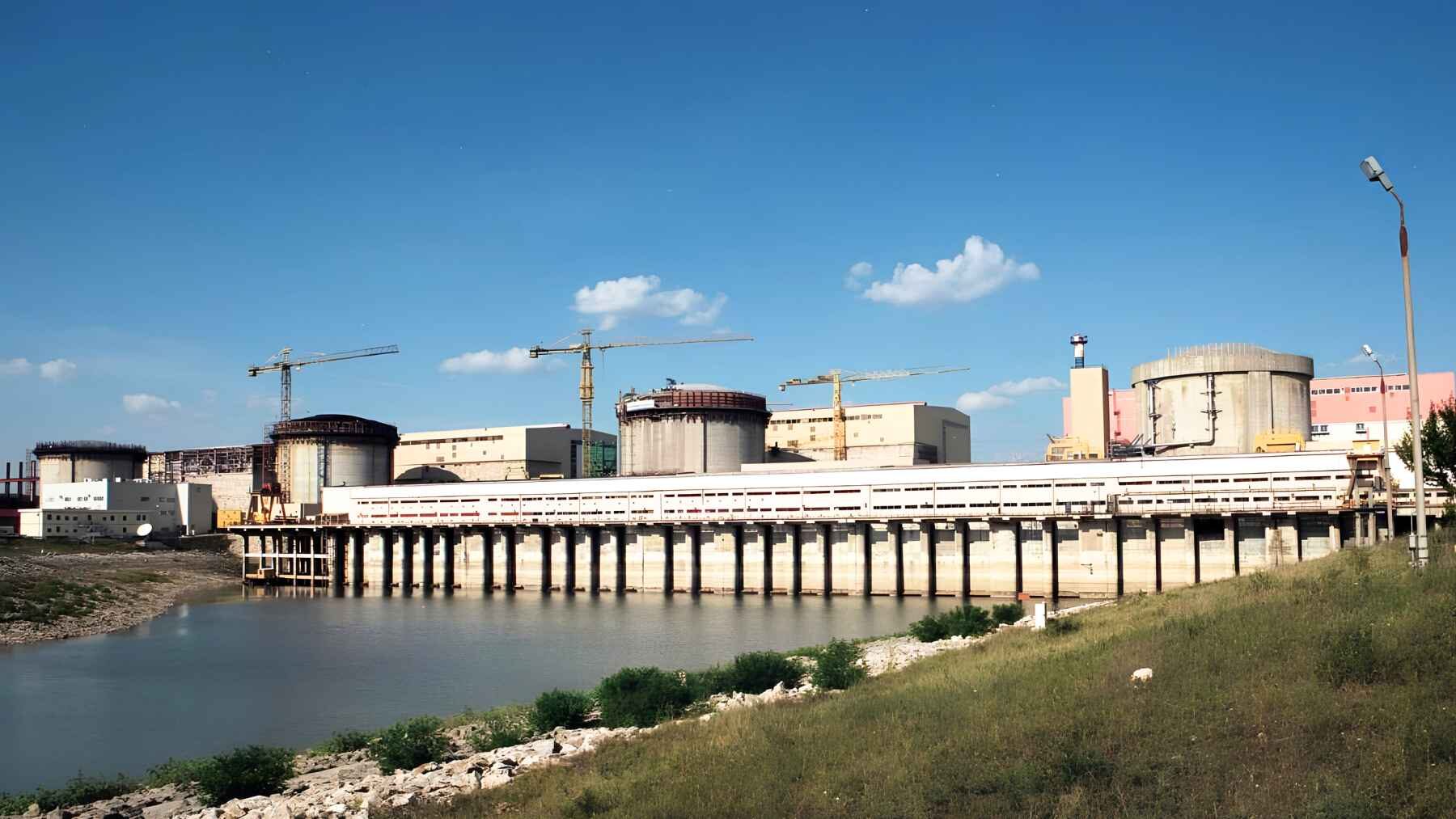
Romania reshapes the river
Authorities blasted a rock obstruction, dredged the riverbed, and sank four barges loaded with stone to create an underwater barrier that redirects more water toward Cernavodă. The Romanian military used 180 kilograms of explosives during the controlled operation near the Bala Canal.
The Energy Ministry said the water level at Cernavodă rose by 4 centimeters in 24 hours even though forecasts had pointed to a drop of about 4 centimeters. Officials estimated that the improved conditions could support Unit 2 for at least nine more days within the period covered by the forecast.
The clock is still moving
The reprieve is fragile. Romania’s water management agency expects the Danube to remain at an extreme low at the country’s entry point, while levels near the plant are forecast to fall until Aug. 16 and additional dredging has been recommended.
Nuclearelectrica has repeatedly said Unit 2 may still need to shut down if water levels or operating parameters cross permitted limits. That is not evidence of a nuclear accident. It is evidence that safety margins, rather than electricity demand, determine whether the reactor stays online.
Imports may not fill the gap
The government allocated money for Danube works and opened talks with Ukraine and other neighboring countries about electricity imports during peak demand. Yet Hungary has also cut nuclear output because of the same low river, while drought has weakened hydropower across the region.
A transmission line can cross a border, but it cannot import electricity that neighboring grids do not have to spare. That is why the Romanian response also depends on lowering demand during the tightest evening hours.
What people are being asked to do
Households, companies, public institutions, and prosumers have been asked to reduce voluntary electricity use from 7 p.m. to 11 p.m. through Aug. 31. Where practical, the ministry recommends shifting washing machines, dishwashers, dryers, electric boilers, and electric vehicle charging to 11 a.m. through 5 p.m., when solar generation is stronger.
This is not a request to switch off medical equipment or make homes unsafe during extreme heat. The guidance specifically says health and safety must come first, which matters when the electric bill and the need for cooling are both hard to ignore.
The wider lesson
No single drought should be attributed to climate change without a dedicated attribution study. Still, the event fits a broader risk pattern in Europe, the world’s fastest-warming continent, where 70% of rivers recorded below-average annual flows in 2025 and river flows were below average for 11 months.
The European Environment Agency says electricity production is one of the sectors where better water efficiency can strengthen resilience. That points beyond emergency barges toward a power system with more storage, stronger interconnections, flexible demand, and cooling infrastructure designed for lower and less predictable river levels.
What happens next
For now, Unit 2 remains online while operators watch safety margins, hydrologists update forecasts, and crews continue river works. The central question is simple. Can the Danube stay high enough until rainfall or upstream flows provide lasting relief?
The latest statement was published on the Romanian Ministry of Energy website.