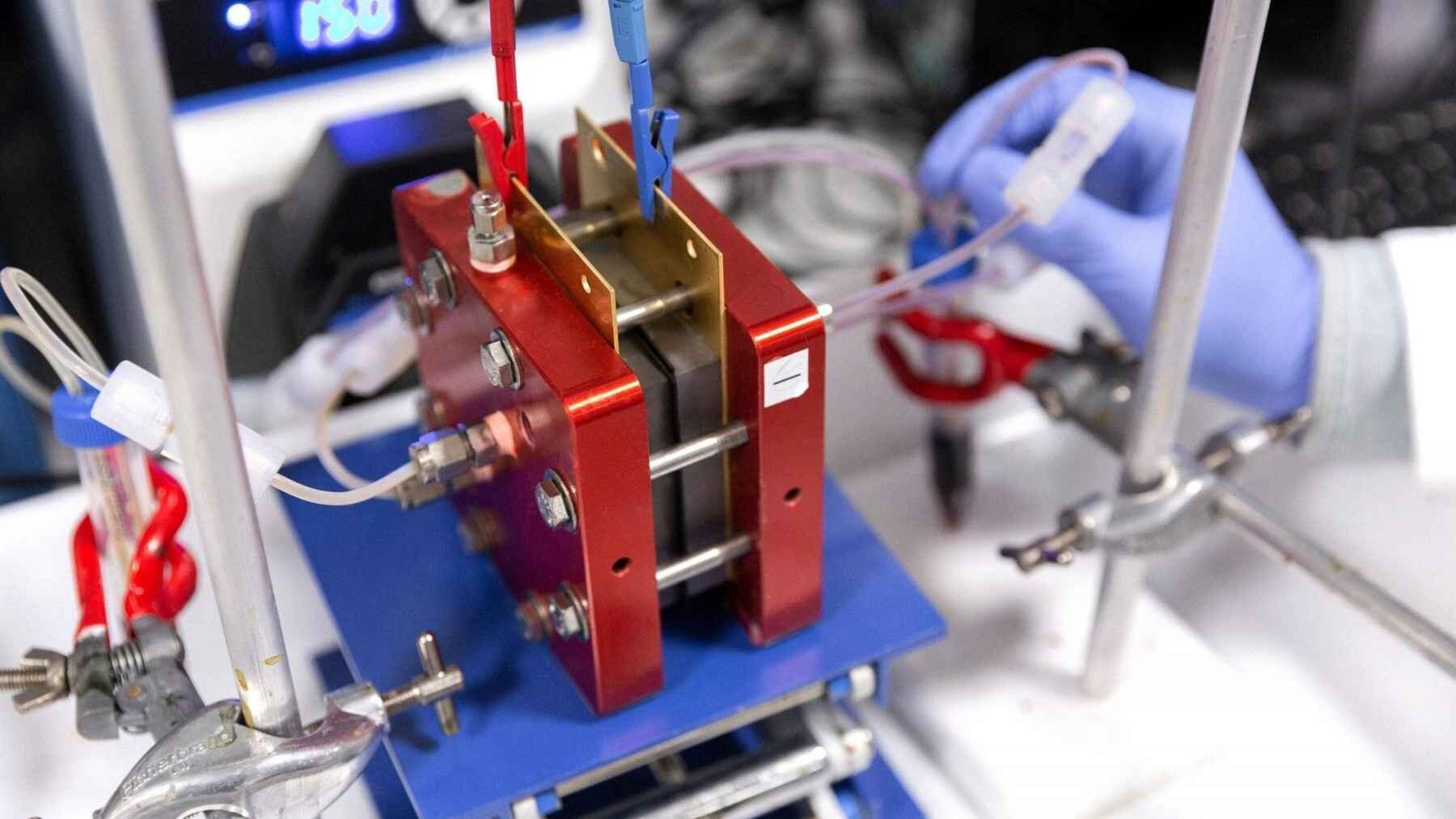
A laboratory device that can cost several thousand dollars can now be assembled for about $100, thanks to a 3D-printed design from Queen’s University Belfast. The freely shared flow battery cell gives researchers a common platform for testing technologies that could store wind and solar power for long periods.
This is not a finished battery ready for a home or power plant. It is a low-cost research tool that could help scientists compare results more reliably and move promising iron-based chemistry toward larger systems. In a field where tiny assembly differences can change the numbers, a common design may work like a common ruler.
A costly problem meets a 3D printer
Postdoctoral researcher Dr. Hugh O’Connor began working on the design after learning that a commercial flow cell for his doctoral research would cost roughly $2,700 to $4,000. “I started 3D-printing them,” he said. After repeated adjustments, “these started to work really well.”
The resulting laboratory cell costs approximately $100. It contains around ten components, including printed flow pieces, a membrane, gaskets, electrodes, and current collectors. Because careful assembly matters, O’Connor also created an “IKEA-style instruction manual” for participating laboratories.
Instead of selling the design, O’Connor and his supervisor made it available to the international research community. That decision lowers the entry cost for smaller laboratories and builds a network capable of producing more comparable evidence.
What makes a flow battery different
A lithium-ion battery stores energy in materials packed inside a sealed cell. A flow battery instead pumps liquid electrolytes from external tanks through a central cell stack, where electricity is charged and discharged.
Adding more liquid can increase stored energy, while expanding the stack can raise the available power. This flexibility makes flow batteries strong candidates for long-duration grid storage. The U.S. Department of Energy says they are particularly suited to applications lasting eight hours or longer.
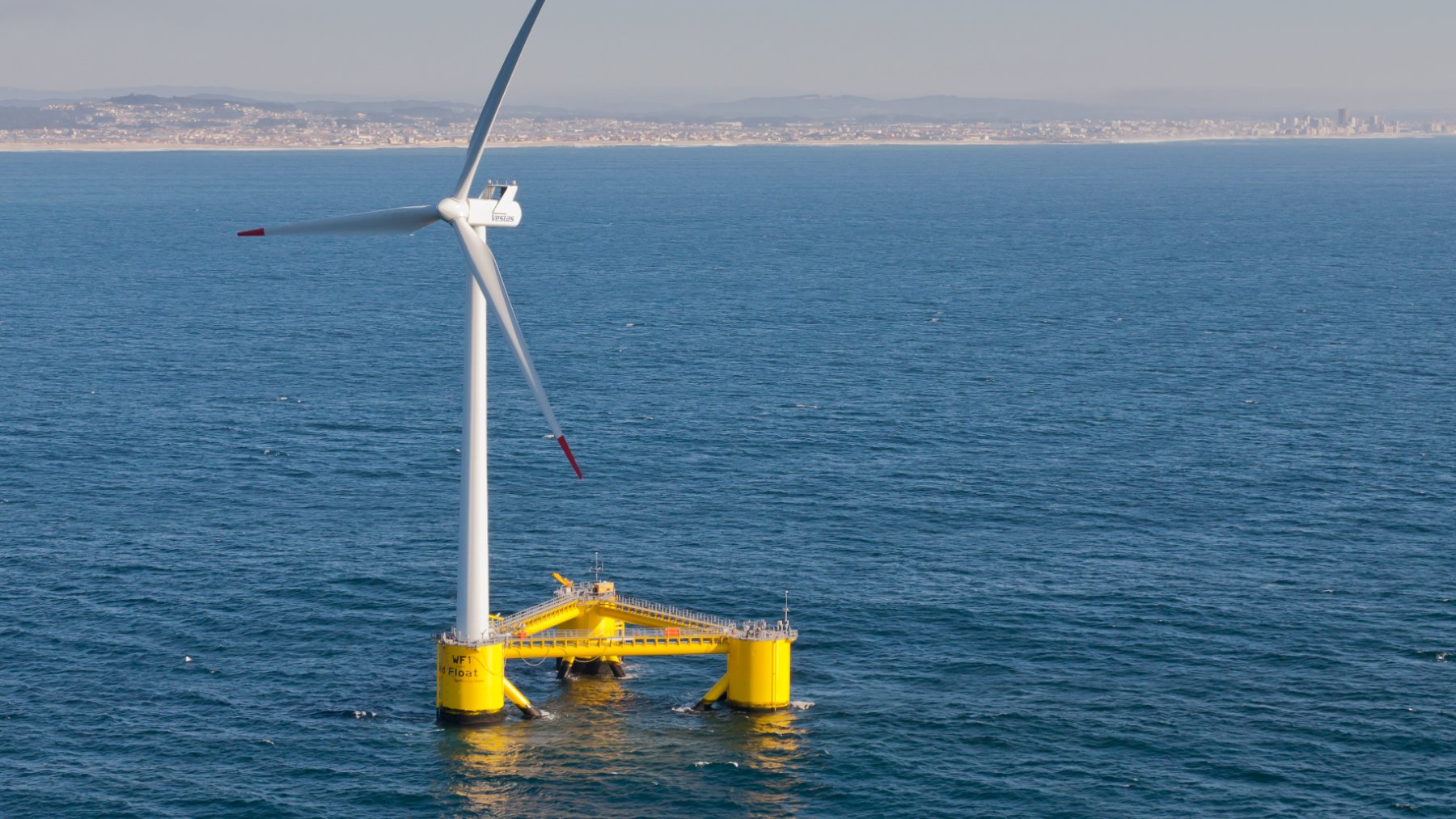
Why does that matter? Wind farms may generate heavily at 2 a.m., while solar output can peak before families cook dinner. Storage can move some of that electricity to a windless evening or the sticky summer heat when air conditioners push demand upward.

Why the researchers are turning to iron
The most established flow-battery systems generally rely on vanadium. The metal performs well, but production is concentrated in relatively few places and prices can fluctuate, creating supply risks. The Belfast researchers are developing iron-based chemistry because iron is far easier to obtain.
Still, iron is not a magic switch. Full systems need durable membranes, efficient pumps, stable liquids, control equipment, and stacks that perform reliably through repeated charging. Low material costs must also survive manufacturing, maintenance, and real grid conditions.
That is where cheaper test hardware helps. More laboratories can repeat the same experiments, reject weak ideas earlier, and identify which chemistries deserve expensive pilot projects. The breakthrough is partly about batteries and partly about doing better battery science.
Identical cells still produced different answers
A peer-reviewed study involved eight participant groups at seven academic institutions using identical cell hardware, electrolyte chemistry, and experimental instructions. Even then, researchers recorded noticeable differences in charging results and other common performance tests.
That does not mean flow batteries failed. It means small details can bend the results, including electrical connections, uneven liquid mixing, assembly methods, testing procedures, and material variation. Two laboratories may believe they are running the same experiment while producing numbers that cannot be compared fairly.
A standard cell can narrow that gap. When teams use the same hardware and instructions, they can better judge whether an improvement comes from new chemistry or an unnoticed change in the setup. That is the quiet but important promise of the shared design.
From one cell to an industrial stack
O’Connor and Dr. Josh Bailey are now testing larger stacks of printed cells. A single cell can reveal how materials behave, but a stack introduces new questions involving liquid distribution, heat, pressure, efficiency, and system control.
Queen’s University Belfast says the project is connected to more than 35 research groups worldwide, including teams at Harvard and Cambridge. The published round-robin study was smaller, but it showed why a wider collaboration matters. More participants can expose hidden sources of error and turn promising results into stronger evidence.
Commercial success is not guaranteed. However, cutting the price of a core research tool from as much as $4,000 to about $100 changes who can participate and how many tests can be completed. Sometimes faster progress begins with less glamorous equipment.
Why this matters for the renewable grid
Renewables overtook coal in global electricity generation in 2025, according to Ember’s Global Electricity Review 2026, but adding wind turbines and solar panels is only half the job. Power systems also need stronger transmission, flexible demand, and storage for the hours when weather and consumption do not line up.
Flow batteries will not replace every lithium-ion system or solve every grid bottleneck. Their potential strength lies in stationary, long-duration uses, where bulky tanks matter less than reliable service over many years. For the most part, the future grid will need several storage technologies rather than one winner.
At the end of the day, the Belfast team has not unveiled a battery that utilities can order tomorrow. It has offered researchers a cheaper shared workbench, and that may help the best flow-battery ideas reach the grid sooner. Small tool, potentially big effect.
The official statement was published on Queen’s University Belfast.