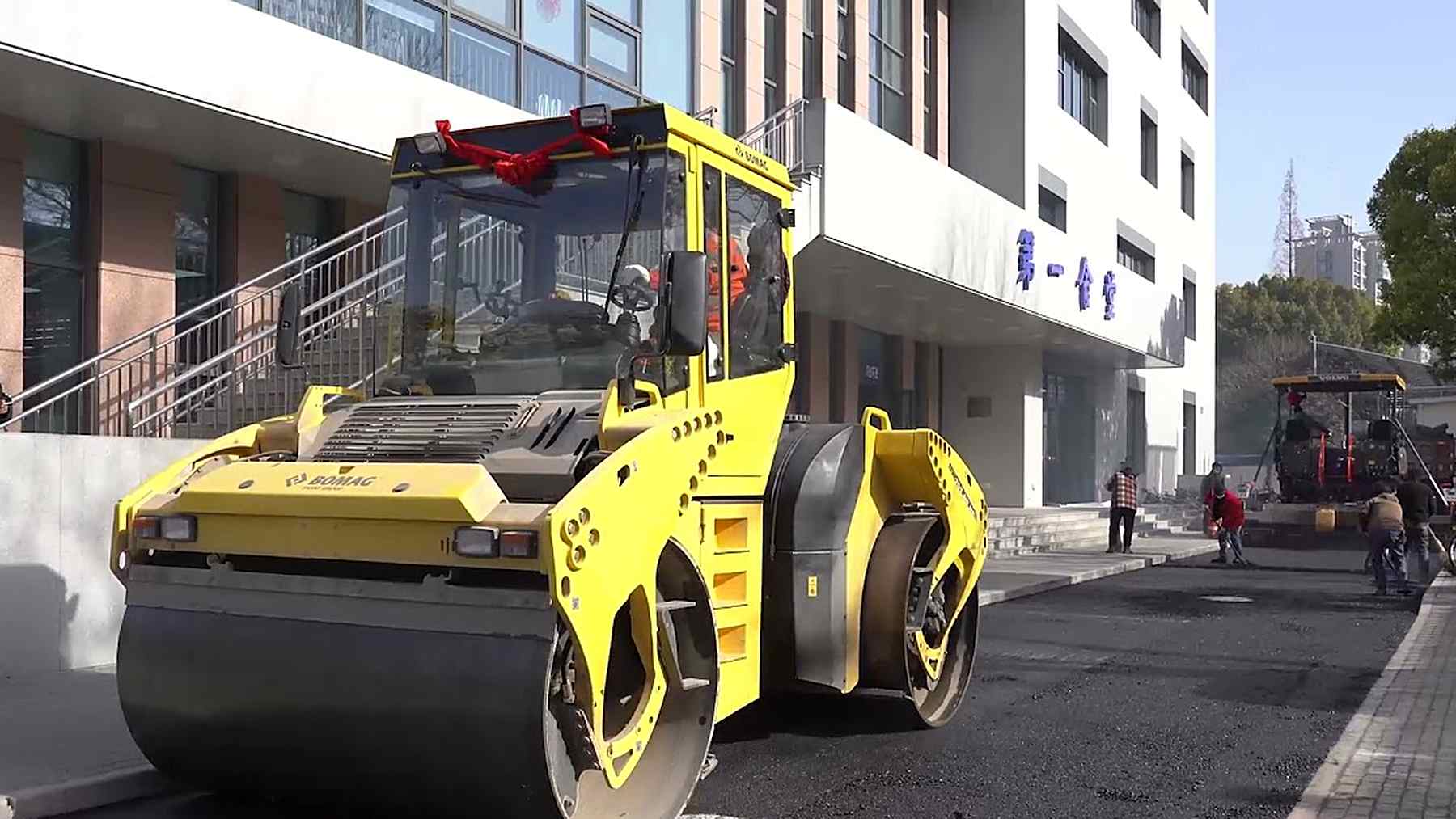
Dow and the Chinese dairy brand Shiny Meadow unveiled a plastic road on April 22, 2021, in Shanghai. The strip runs through the Xuhui Campus of East China University of Science and Technology. According to Dow, more than 6,000 used milk bottles and other plastic waste went into its polymer-modified asphalt.
The company called it China’s first road made with recycled plastic. A report on the university’s website put its length at about 984 feet (300 meters). The same report counted more than 441 pounds (200 kilograms) of recycled milk bottles.
Milk residue sank the bottles
On paper, the plastic in a milk bottle goes through recycling without much trouble. Dow’s announcement says recyclers still hesitated to take it. The reason was “the high rate of contamination caused by leftover milk residue.”
A recyclable material still needs someone willing to accept it. Collection, processing and a buyer for the recovered plastic all have to line up. Australia, where only 7 percent of farm plastic gets recycled, shows how quickly that chain breaks down.
Lin Rong, brand director at Shiny Meadow, said in the release, “We are pleased to have found a meaningful use for our empty bottles.” According to Lin, the company already used recyclable packaging. Recyclers, however, saw little value in the used bottles.
Used milk bottles therefore became the raw material for the demonstration. Shiny Meadow brought the packaging, and Dow brought the paving chemistry.
From sorting line to asphalt plant
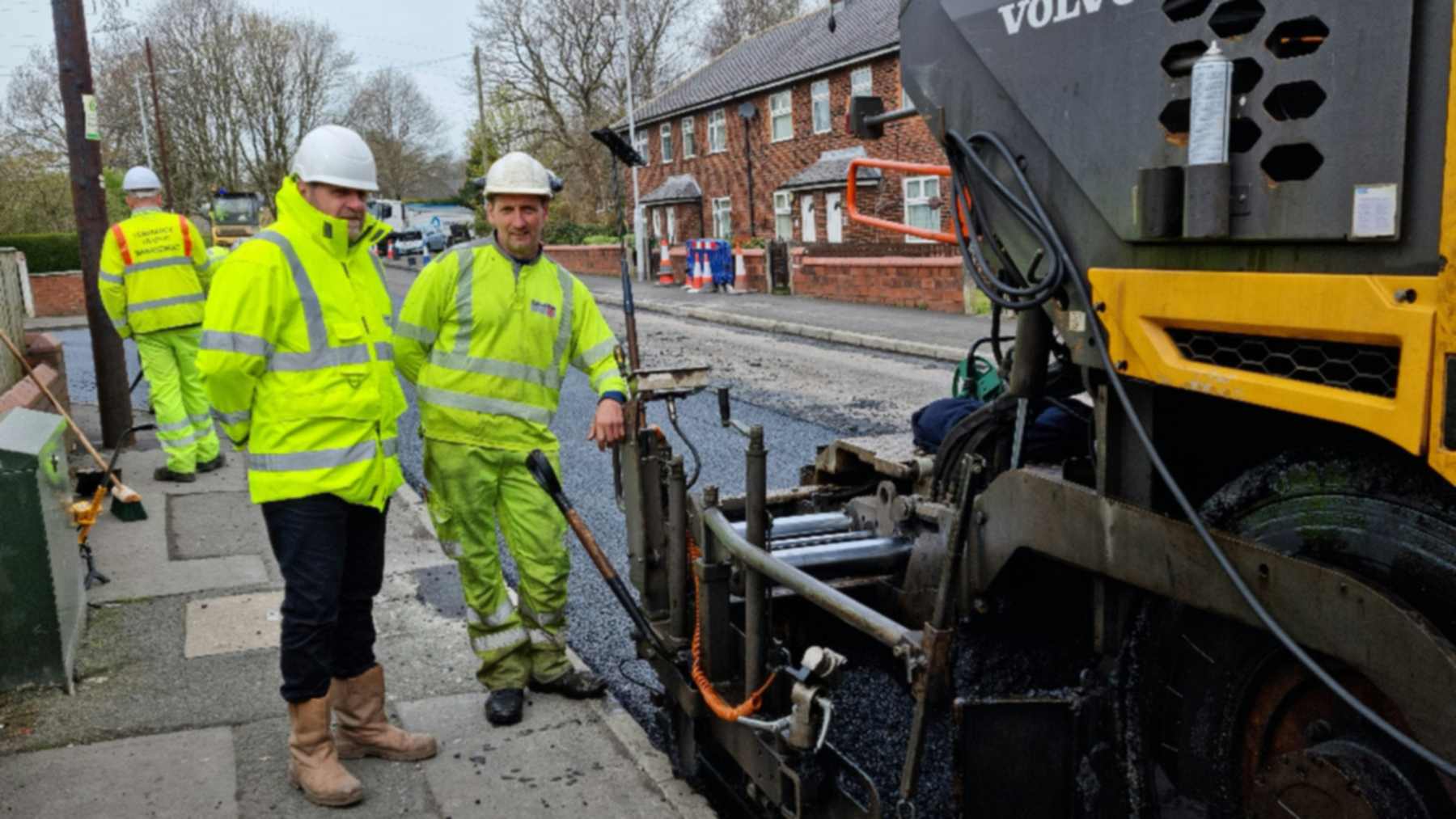
The university’s report describes the route the bottles took. They traveled to a recycling plant for sorting, then went through crushing and melting. An asphalt producer received the resulting material.
That producer relied on ELVALOY RET, a Dow asphalt modification technology. In polymer-modified asphalt, plastics or similar polymers are blended into bitumen. Bitumen is the sticky binder that holds crushed stone together on a road.
Road builders elsewhere are also changing what goes into a surface. Recent examples range from rubber from scrap tires to porous pavement tested in Morocco to keep streets cooler.
A 10 percent bitumen claim
Dow builds its environmental case on two effects. The release cites “the reduction in the use of bitumen as well as the potential service life extension of the roads.” Those two changes, the company says, would cut greenhouse gas emissions and energy use.
On a separate page about its road projects, Dow says these roads replace nearly 10 percent of the bitumen in road asphalt. That page never mentions Shanghai. The figure therefore describes the company’s wider program.
The university report goes a step further and says polymer-modified roads perform better and last longer than plain asphalt. It offers no numbers to back the comparison.
Depok came first, Shanghai later
Shanghai followed a run of Dow projects in Asia. The company dates this work to 2017 in Depok, Indonesia. A trial there used about 3.5 metric tons of plastic waste on a road about 1.1 miles (1.8 kilometers) long.
Its list then moves to Pune and Bangalore in India. A collaboration with Siam Cement Group in Thailand came after that.
At the launch, university vice president Li Tao said the road offered “an actualized example of how we can tackle plastic waste in unique ways.” The campus report adds that he hoped to push students toward unconventional sustainability solutions.
Dow also tied the project to a corporate goal for 2030, enabling 1 million tons of plastic to be collected, reused or recycled.
Road dust from an Oahu street
Newer research asks what plastic-modified pavement sheds as traffic wears it down. That matters given the microplastics found in human blood and urine. A team from the Center for Marine Debris Research at Hawaii Pacific University presented its answer at the spring 2026 American Chemical Society meeting.
Their test site was a residential road on Oahu, paved in sections with different mixes. After about 11 months of regular traffic, the team collected road dust from each section.
According to the society’s press release, pavements with recycled polyethylene “did not release more polymers than the control pavement made with SBS,” a conventional modifier. Tire wear gave a far stronger polymer signal than polyethylene did.
Jeremy Axworthy presented the work, and environmental chemist Jennifer Lynch directs the center. Their mixes used polyethylene from Honolulu recycling containers and from fishing nets. The results therefore do not transfer directly to Shanghai, and the society’s release says durability still needs more research.
No carbon figure for Xuhui
The 2021 announcement gives no measured emissions saving and no added years of road life. It also leaves out the percentage of plastic in the finished pavement. Those benefits appear there as the company’s reasoning.
A full climate comparison would have to count collecting, transporting and processing the bottles. Building and maintaining the pavement would also go in the ledger. So would the work of resurfacing the road years later, when the plastic-modified layer comes up.
Details of the project come from Dow’s announcement of April 22, 2021, and the university’s campus report published the same month.
Image: Dow