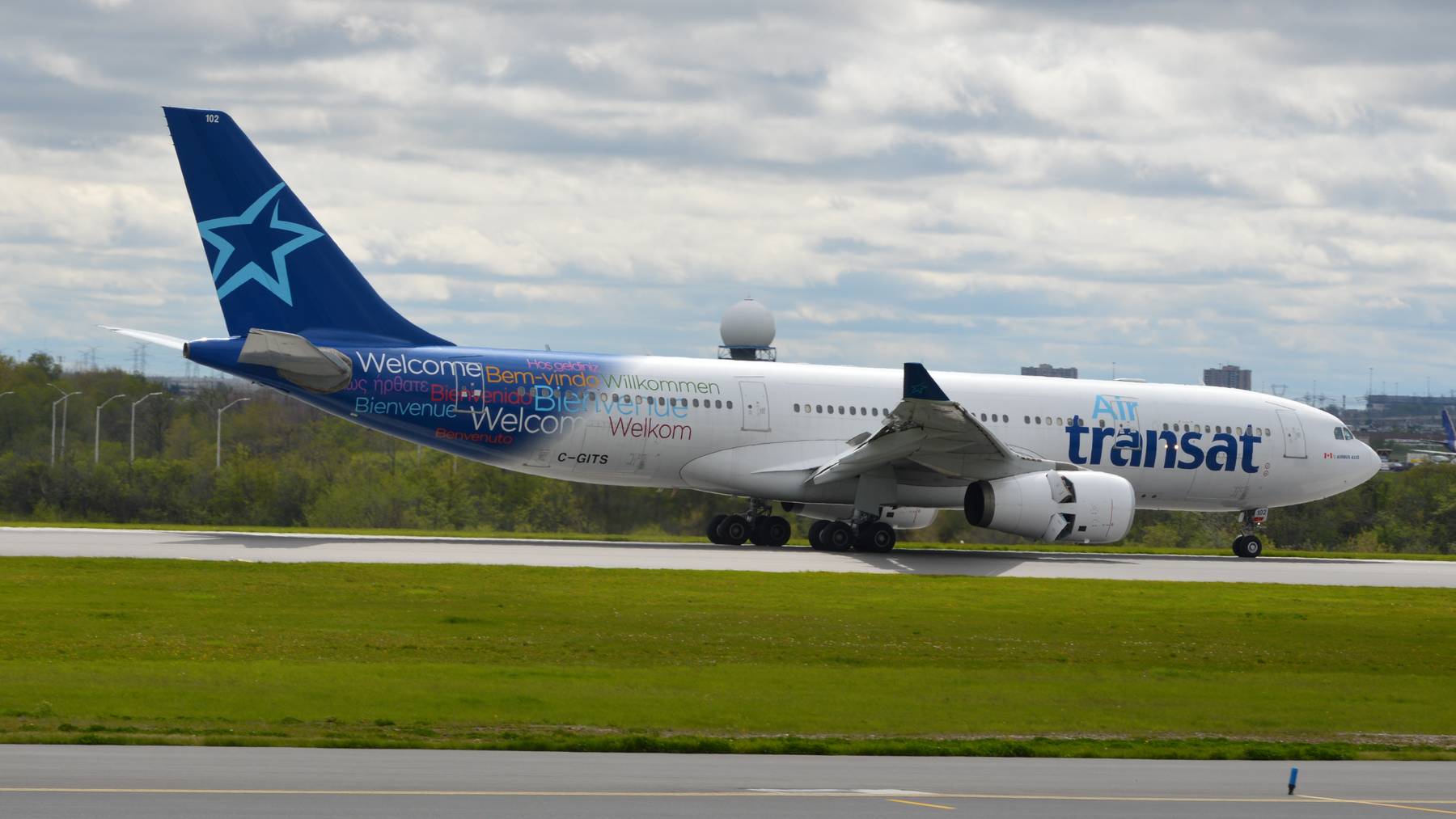
An airliner running out of fuel over the ocean sounds like a situation with no way out. Yet on August 24, 2001, Air Transat Flight 236 lost power to both engines and glided for approximately 19 minutes before reaching a runway in the Azores, with all 306 people aboard surviving.
The Airbus A330 covered roughly 75 miles without engine thrust, turning a flight from Toronto to Lisbon into an extraordinary emergency landing. But behind that remarkable escape lay a more sobering story about a maintenance mistake, misunderstood warnings, and fuel disappearing while the crew struggled to identify the problem.
A routine Atlantic crossing takes a dangerous turn
Flight 236 departed Toronto on the evening of August 23, carrying 293 passengers and 13 crew members. Captain Robert Piché and First Officer Dirk DeJager were flying an aircraft just over two years old, registered as C-GITS.
The jet took off with approximately 46.9 metric tons of fuel, according to Portugal’s investigation. This was not a flight dispatched with empty reserves, which makes what happened next especially striking.
Nearly four hours after takeoff, fuel began escaping from a line serving the right engine. The pilots later noticed unusual oil readings, but those indications did not immediately reveal that the aircraft was losing the fuel it needed to cross the Atlantic.
The response that allowed more fuel to escape
When a fuel imbalance appeared, the crew tried to correct the difference between the wing tanks. They opened a crossfeed valve, allowing fuel from the left tanks to supply the right engine, where the leaking line was located.
That distinction matters because they were feeding an engine through a damaged fuel system, rather than simply moving fuel into another tank. The captain performed the balancing procedure from memory without considering its caution directing crews toward the fuel-leak procedure when a leak was suspected.
The warning signs were also unfamiliar. According to the FAA’s account, neither pilot had encountered a fuel leak or unexplained low fuel quantity during training or previous flights, a gap that helps explain the confusion without removing the consequences.
Nineteen minutes with no engine thrust
The pilots diverted toward Lajes Airport on Terceira Island, but the remaining fuel continued to disappear. The right engine stopped first, followed 13 minutes later by the left, leaving the aircraft roughly 65 nautical miles from the airport.
How could something so large keep flying? A jet’s wings still generate lift without engine thrust, provided air continues flowing over them at sufficient speed.
During a glide, the aircraft descends, trading altitude for the energy needed to keep moving forward. Think of height as a limited reserve that the pilots must spend carefully, with the runway needing to come within reach before that reserve runs out.
Moving air powered a crucial backup
The A330 also had an emergency device called a ram air turbine. Deployed into the airflow, it supplied hydraulic pressure that supported essential systems and powered an emergency electrical generator.
This small turbine could not propel the aircraft or restore all its normal capabilities. It helped preserve control, while systems including the flaps and anti-skid braking were unavailable.
The distinction is important for understanding the survival story. The aircraft had lost engine thrust, but its emergency systems still gave the pilots tools to manage the descent and attempt a landing.
Reaching the runway was only part of the challenge
Piché maneuvered to shed excess altitude before the final approach. After spending much of the emergency trying to reach land, the crew now had to arrive at the runway at a manageable height and speed.
The Airbus crossed the runway threshold at approximately 200 knots, or 230 mph, and landed hard. It eventually stopped on the runway, bringing the powerless flight to an end.
Everyone survived, although the escape was not injury-free. Sixteen passengers and two cabin crew members were injured during evacuation, including two passengers with serious injuries, according to the investigation and the airline’s account.
The lesson began in the maintenance hangar
Investigators traced the leak to contact between a hydraulic line and a fuel line following replacement of the right engine. Mismatched components allowed the lines to rub together, eventually damaging the fuel line.
The lasting lesson reaches beyond the cockpit. A successful emergency landing cannot substitute for compatible parts, clear maintenance instructions, and warnings that help crews recognize fuel loss before their options disappear.
Transport Canada subsequently described additional crew training, reviews of fuel procedures, and an Airbus fuel-loss alert software upgrade. Its official response was published on Canada.ca.
Photo: GE90-115 / Wikimedia Commons, CC BY-SA 4.0