At a 10,000-acre solar farm in the west of Phoenix, thousands of panels were built to turn desert sunlight into electricity. But what happened? At the same time, a second underground project took shape, where 36 baby owl chicks were born inside artificial tunnels that had been installed. It is not the first time that animals are displaced because of real estate development.
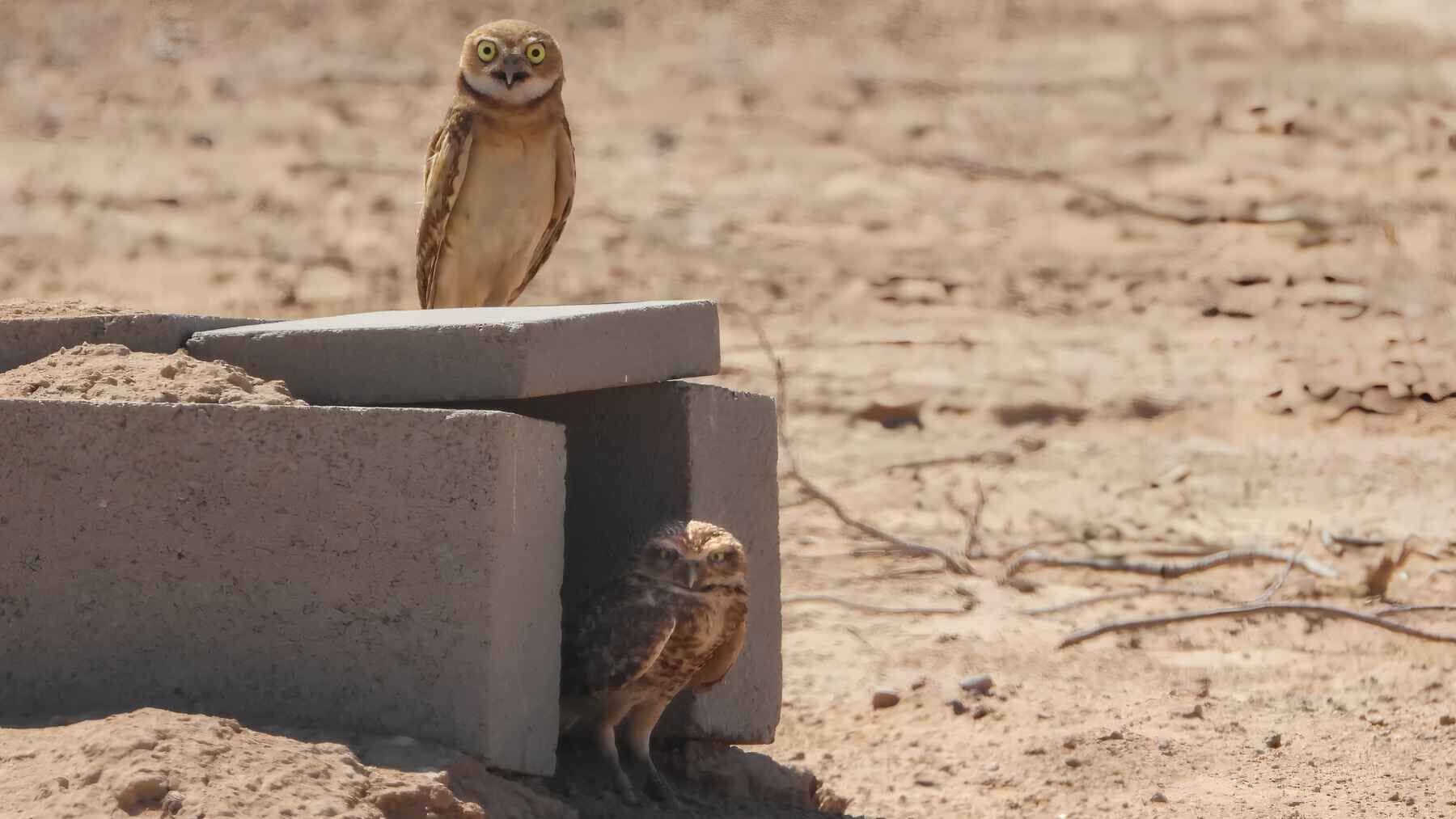
Conservationists were the ones who took the lead here.They built the burrows, moved in 19 adult owls, they gave them food and watched them with cameras, and even turned on lights at night so that insects could appear on the scene. After three long months, 29 young owls became strong enough to fly and luckily, began to live more independently.
A new home beneath the panels
In March 2025, a new housing project forced nine breeding pairs and one lone male to be moved 50 away. And it was Longroad Energy that offered more or less 250 acres between two sections of the Sun Streams complex. Specifically, the nonprofit Wild At Heart organization dedicated itself to doing the best for the owls by creating 40 artificial burrows for the birds.
All the staff were really dedicated, leaving mice for them and using cameras to follow the colony. Even as was said before, they installed lights that could attract insects around their areas so that they could hunt. All this context lets us see that it was less an accidental wildlife takeover than a carefully supported move.
Why burrowing owls need help
Burrowing owls are very unusual because they actually live underground and not in tall trees as you would expect. They can even occupy tunnels dug by ground squirrels, and other mammals. And since they like to inhabit those places, they use the open land around them to watch for predators and follow insects or small rodents.
The U.S.Fish and Wildlife Service has not-so-good news. They say that this species’ population has been decreasing over all these years, and I guess you can imagine why: mainly because their habitats are disappearing. Think about urban growth, intensive agriculture, and the loss of digging mammals that directly affect owls and what they need.
And now that most of the farms are being sold, it forces conservation teams to relocate these birds even 60 to 100 miles away in search of safe ground. So having fewer spaces and options to move them makes us understand why it is not so strange that they ended up living in a solar farm.
Thirty-six chicks mark a turning point
Human involvement had to decrease. The daily mice were reduced so that the young owls could hunt on their own and without help. And it was later that researchers could see in their droppings that they were indeed hunting. Inside them there were insect remains. It was not until the end of August 2025, that supplemental feeding stopped.
That is important to note, because a relocation of this size can look successful if everyday they are receiving food. But the real challenge is whether, in this case, the owls could survive without any help or support. That is why the insect fragments in their droppings were the best evidence that their autonomous hunting had begun. Of course this was good news for the short term…Still the question about long-term survival was there.
What the solar landscape may offer
So what did the solar farm actually provide?
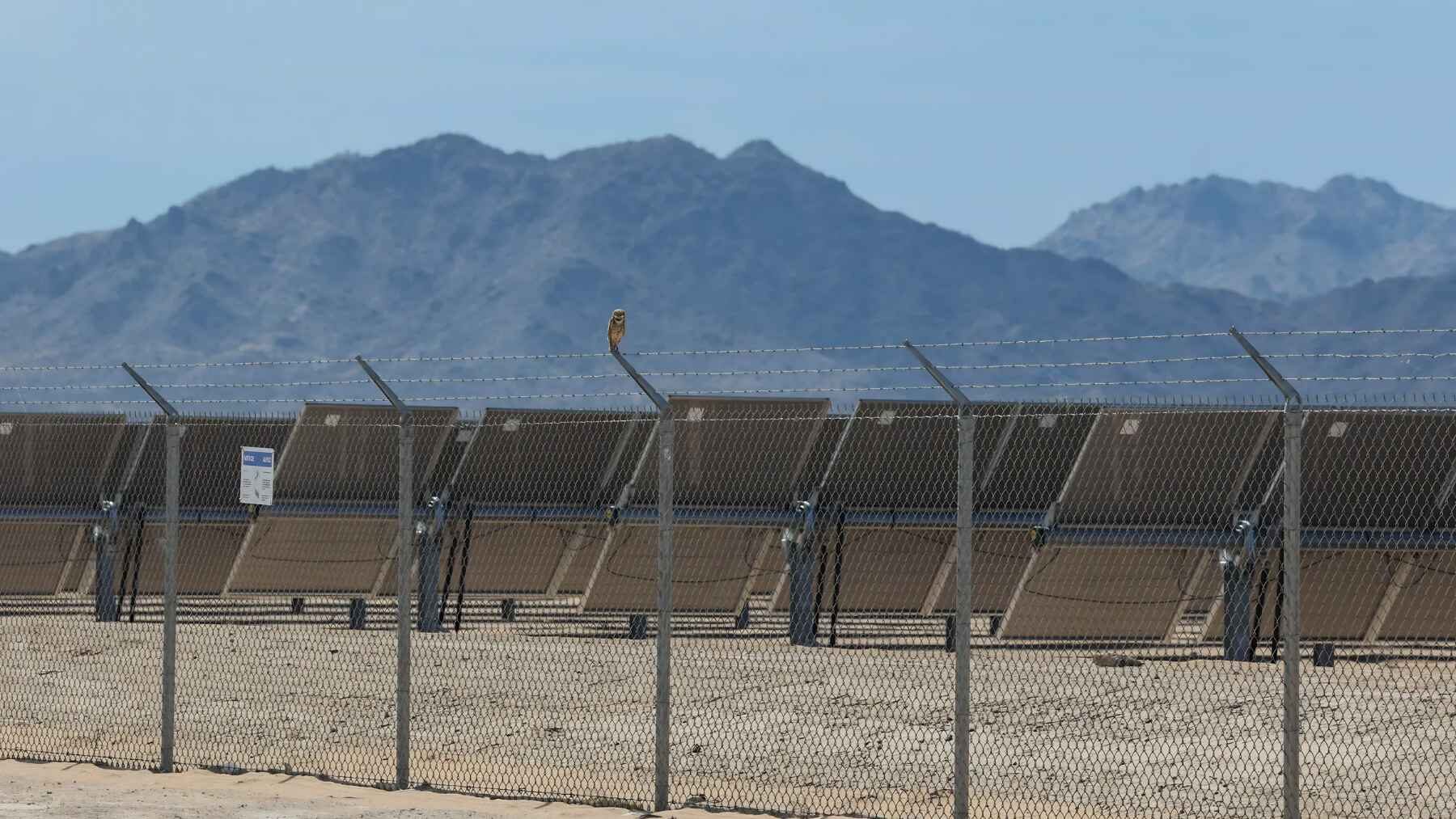
Open ground can help the birds to spot coyotes, kit foxes, and other threats before they get too close. The owls have also been seen using the space beneath panels during Arizona’s intense daytime heat.
This landscape really offers many opportunities similar to their typical natural habitat, but researchers are still testing how all this new environment might affect their behavior.
A promising model with clear limits
This can be very good news for the conservation of this species, since the increasing development of renewable energy will need more and more land, which will inevitably bring opportunities to preserve new owls that could inhabit those areas.
That does not make every solar project a sanctuary. These kinds of projects can actually remove vegetation, fragment habitat, change drainage, and limit wildlife movement when they are poorly located or designed. And here, Arizona’s lesson is precise and very useful: some conflicts can really be reduced with careful sitting, wildlife studies, dedicated habitat, and long-term monitoring.
The main account of the relocation project was published by Audubon magazine.