Solar farms have often been treated like a threat to the countryside. The image is easy to picture: rows of dark panels, hot ground underneath, and a landscape that seems too quiet for birds, insects, and the small dramas of rural life.
Fresh evidence from Spain suggests that picture is, at least in some cases, incomplete. In several solar parks studied in 2025, researchers found more bird species inside the fenced solar sites than in nearby intensively farmed fields, raising a sharper question for the energy debate.
What if the panels are not the whole story, but the way the land is managed beneath them is?
More birds inside
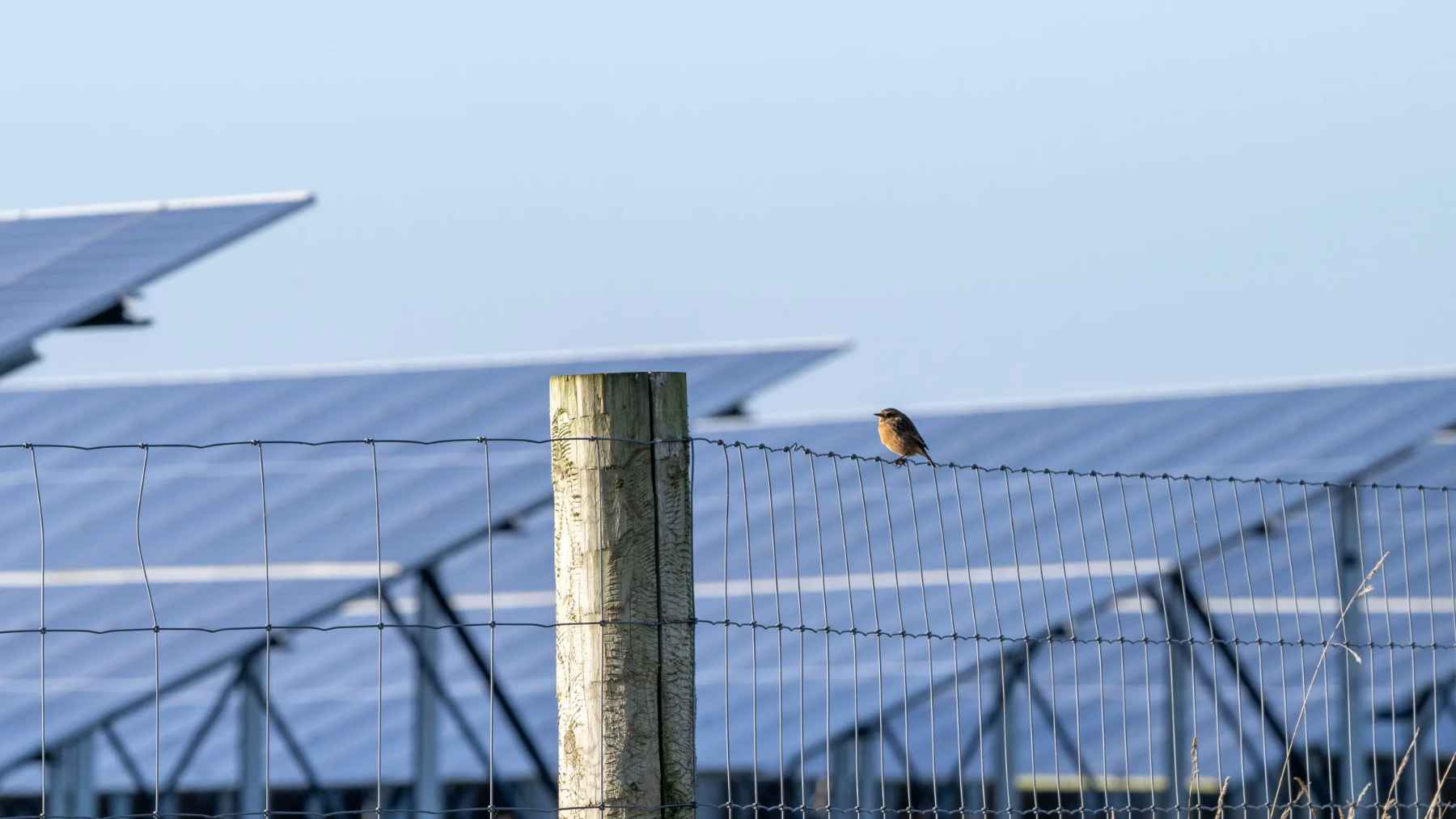
The clearest numbers come from three Spanish provinces. At Minglanilla, in Cuenca, researchers counted 32 bird species inside the solar plant and 19 in the nearby control area. At Revilla Vallejera, in Burgos, they found 39 species inside and 34 outside, while Trujillo, in Cáceres, showed 31 inside and 25 outside.
Those counts came from studies by the environmental consultancy EMAT and were highlighted by UNEF, Spain’s solar industry association. The same work also documented birds of special ecological interest, including stone-curlews, little bustards, European rollers, little owls, and lesser kestrels.
Why panels change the field
The important comparison is not between a solar farm and a pristine forest. In many cases, the land being compared was already used for intensive agriculture, where repeated plowing, herbicides, insecticides, and simplified crops can leave little room for wildlife.
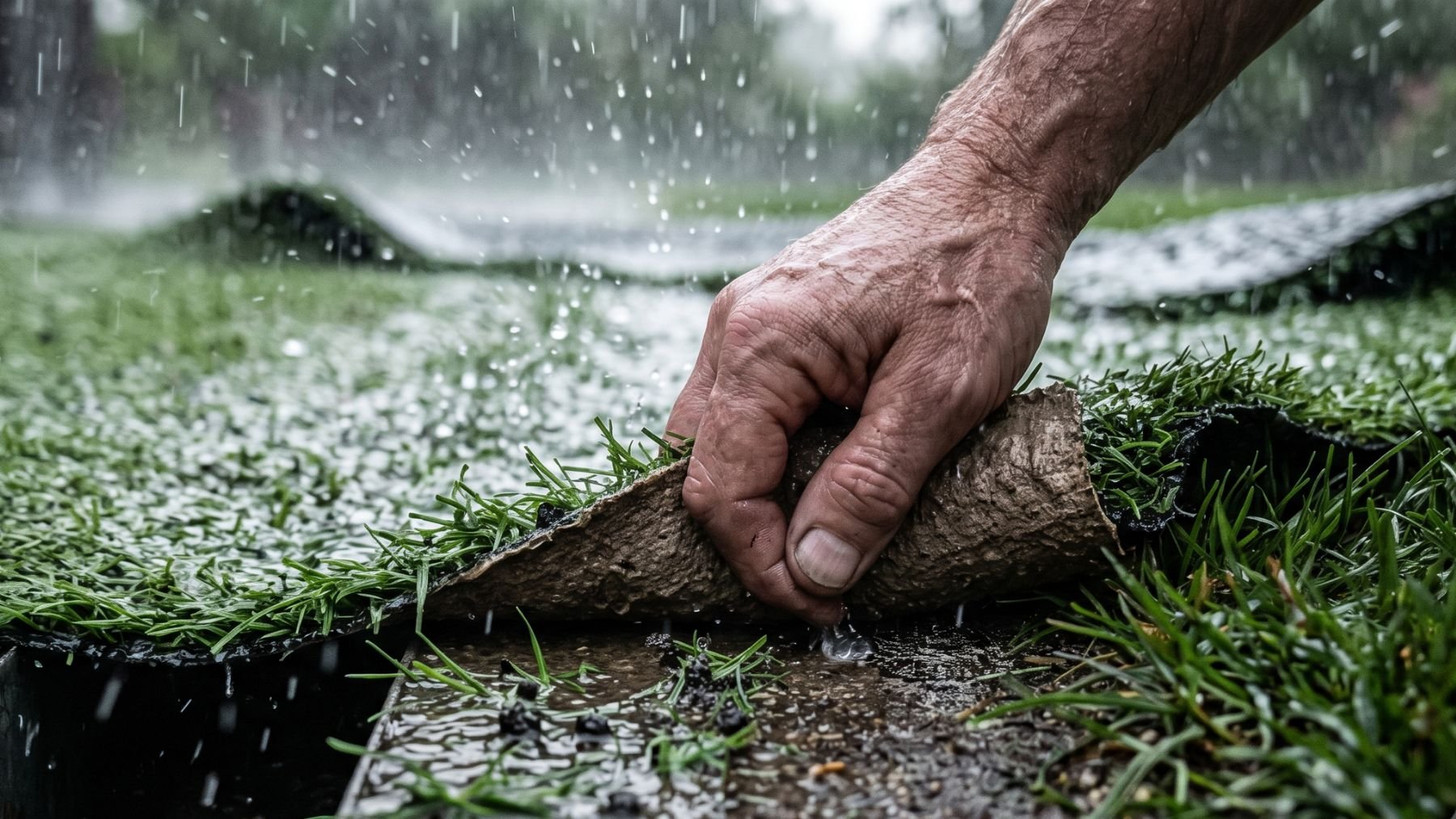
Once a solar park is operating, that rhythm can change. The soil is no longer turned over every season, hunting is usually excluded, and human activity often drops to occasional maintenance visits. That quiet matters.
What returns first
The first comeback is often vegetation. If grasses and wild plants are allowed to grow, insects follow, and birds come in behind them like neighbors noticing a reopened market.
That is the food chain doing its regular work. UNEF’s report noted that prey such as insects and small mammals can help attract raptors, including eagles, vultures, kites, harriers, falcons, and owls. It is not a fairy tale. It is habitat.
Conservoltaics explained
Scientists are starting to use the word “conservoltaics” for this idea. It means combining conservation with photovoltaics, the technology that turns sunlight into electricity.
In 2023, Eric J. Nordberg and Lin Schwarzkopf, researchers linked to the University of New England and James Cook University, described conservoltaic systems as places where solar power and wildlife conservation can happen at the same time. Their point was not that every solar farm becomes a refuge, but that shade, structure, and careful design can create useful habitat.
The pattern is not only Spanish
A related study in England gives the Spanish findings more context. Research by the Royal Society for the Protection of Birds (RSPB) and the University of Cambridge found that solar farms in the East Anglian Fens had more bird species and more individual birds than nearby arable farmland when compared acre for acre.
The difference was strongest where solar farms were managed with nature in mind. Sites with hedgerows, mixed vegetation, and less intense cutting had nearly three times as many birds as nearby cropland. Dr. Catherine Waite, a University of Cambridge researcher and study co-author, put it plainly.
“Our study shows that if you manage solar energy production in a certain way, not only are you providing clean energy but also benefiting biodiversity.”
Sheep under the shade
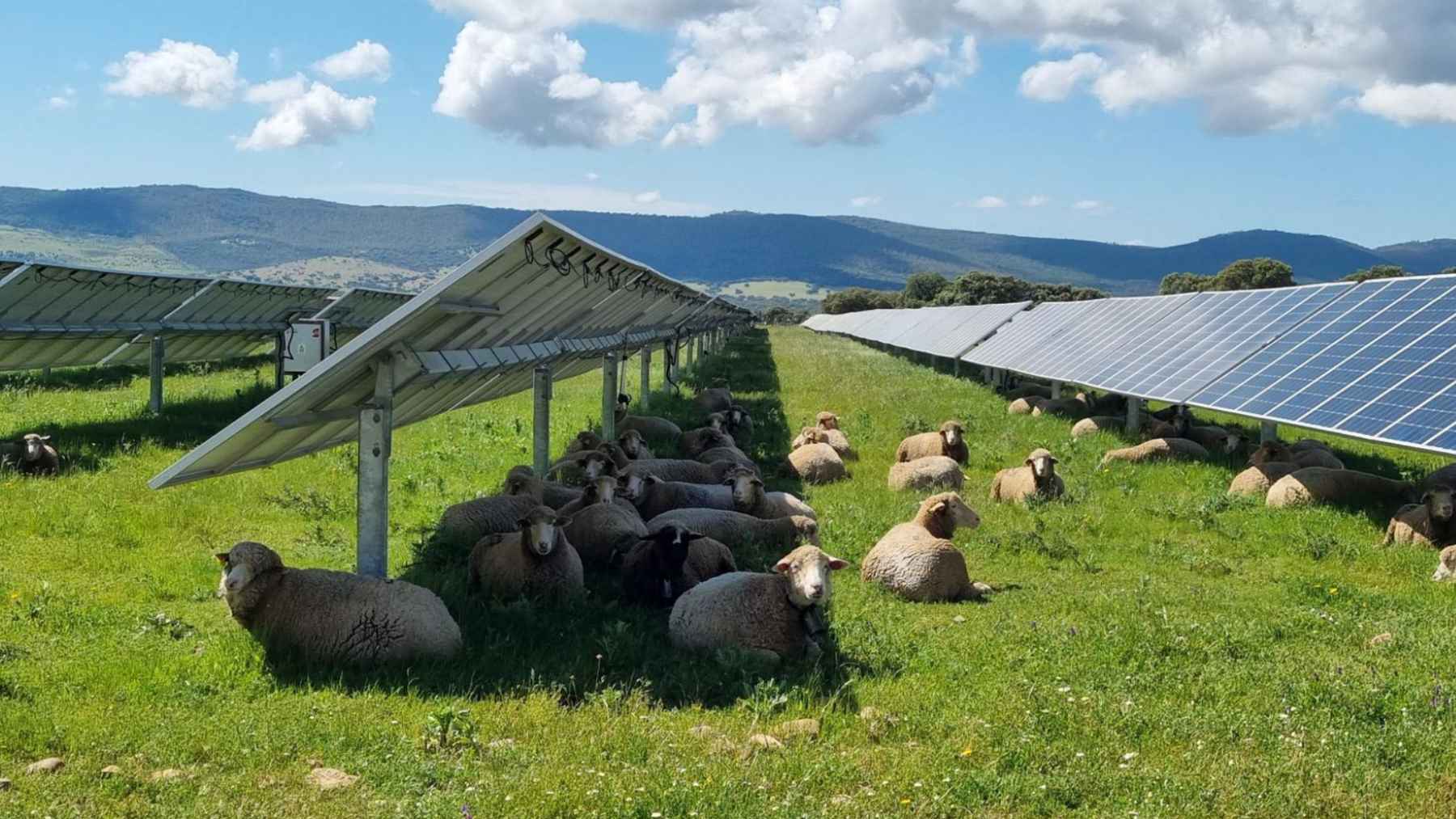
Australia adds another angle, and it is a surprisingly down-to-earth one. At the Wellington Solar Farm in New South Wales, Lightsource bp reported results from an ongoing study by EMM Consulting, with support from Elders Rural Services, comparing Merino sheep grazing in a regular paddock with sheep grazing among solar panels.
The findings suggest that co-locating sheep and solar power does not appear to harm wool production, and some wool quality measures may even improve. That does not prove every flock will benefit.
Still, it shows why some farmers see more than panels when they look at these sites, especially when shade, forage, and steady land income can all matter in a hot year.
The catch is management
There is a catch, and it is a big one. Solar farms do not help wildlife just because someone plants panels and locks the gate.
If the grass is shaved down, the edges are bare, and the site is treated like a tidy industrial yard, the result can be poor habitat. The better results come from active choices, such as native vegetation, hedgerows, ecological corridors, limited mowing, and sheep used as natural lawn mowers rather than diesel equipment.
The rural debate is changing
This is where the countryside argument becomes more practical. People worry about views, food production, local control, and the feel of familiar landscapes, and those concerns do not disappear because a bird survey looks promising.
But the new data adds nuance. By the industry’s own evidence, and by independent academic work, well-sited and well-managed solar parks can produce clean power while giving damaged farmland a chance to breathe again.
At the end of the day, that may be the real test for solar in rural areas, not whether panels arrive, but what kind of landscape is allowed to grow beneath them.
The main press release was published by UNEF.