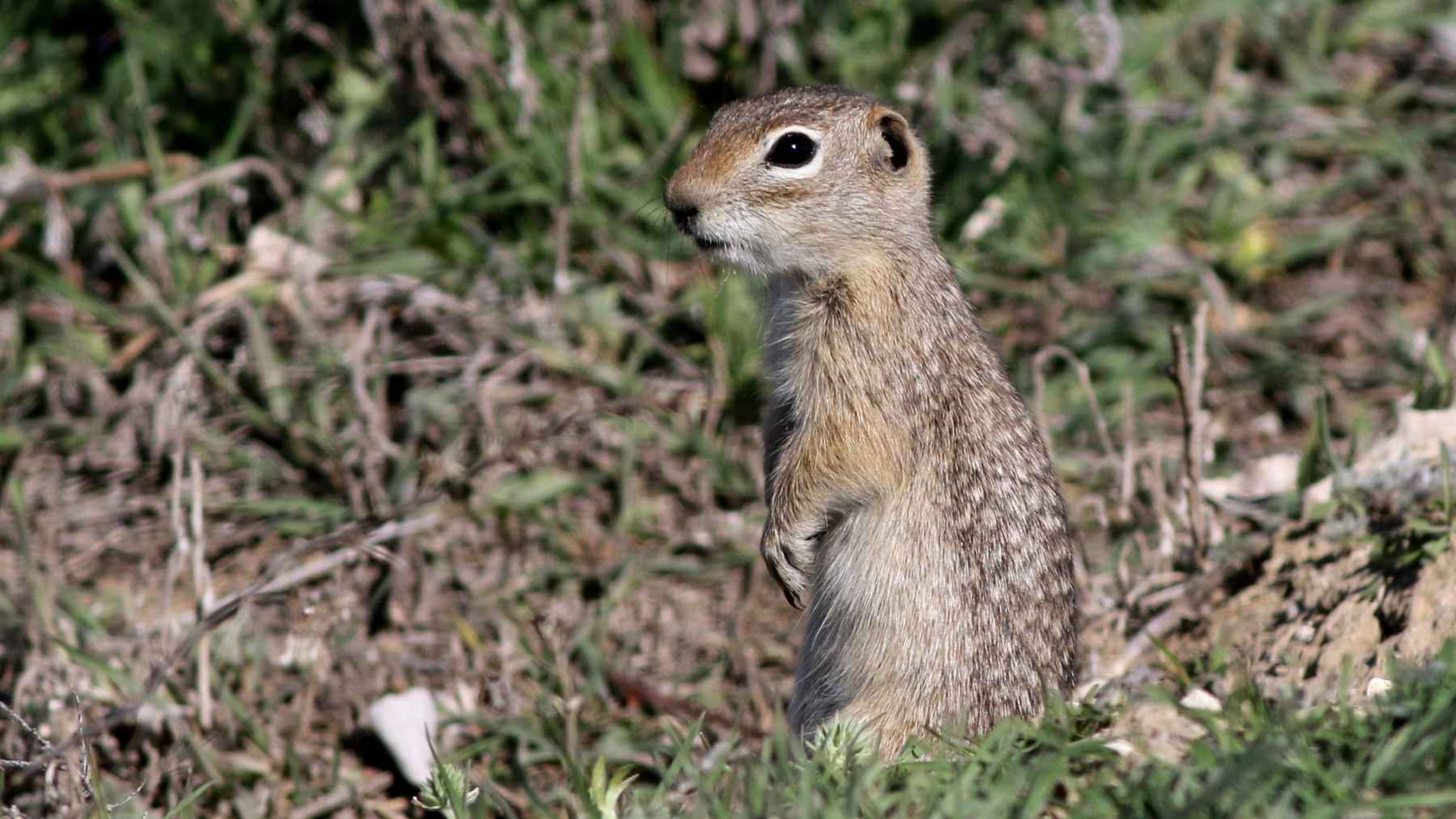
In Wheatridge, Oregon, there is a complex that produces renewable energy, combining wind, solar, and battery storage. What makes it different from others is that its routine work must follow the rules of one of the region’s smallest residents. The endangered Washington ground squirrel might weigh just 4.2 to 10.6 ounces, but its tiny presence affects where workers can dig, how trucks must move around the site, and how cables are protected. Although this animal lives underground for most of the year, there is a short period in which it spends time above ground, and this brings legal requirements for the eastern Oregon facility.
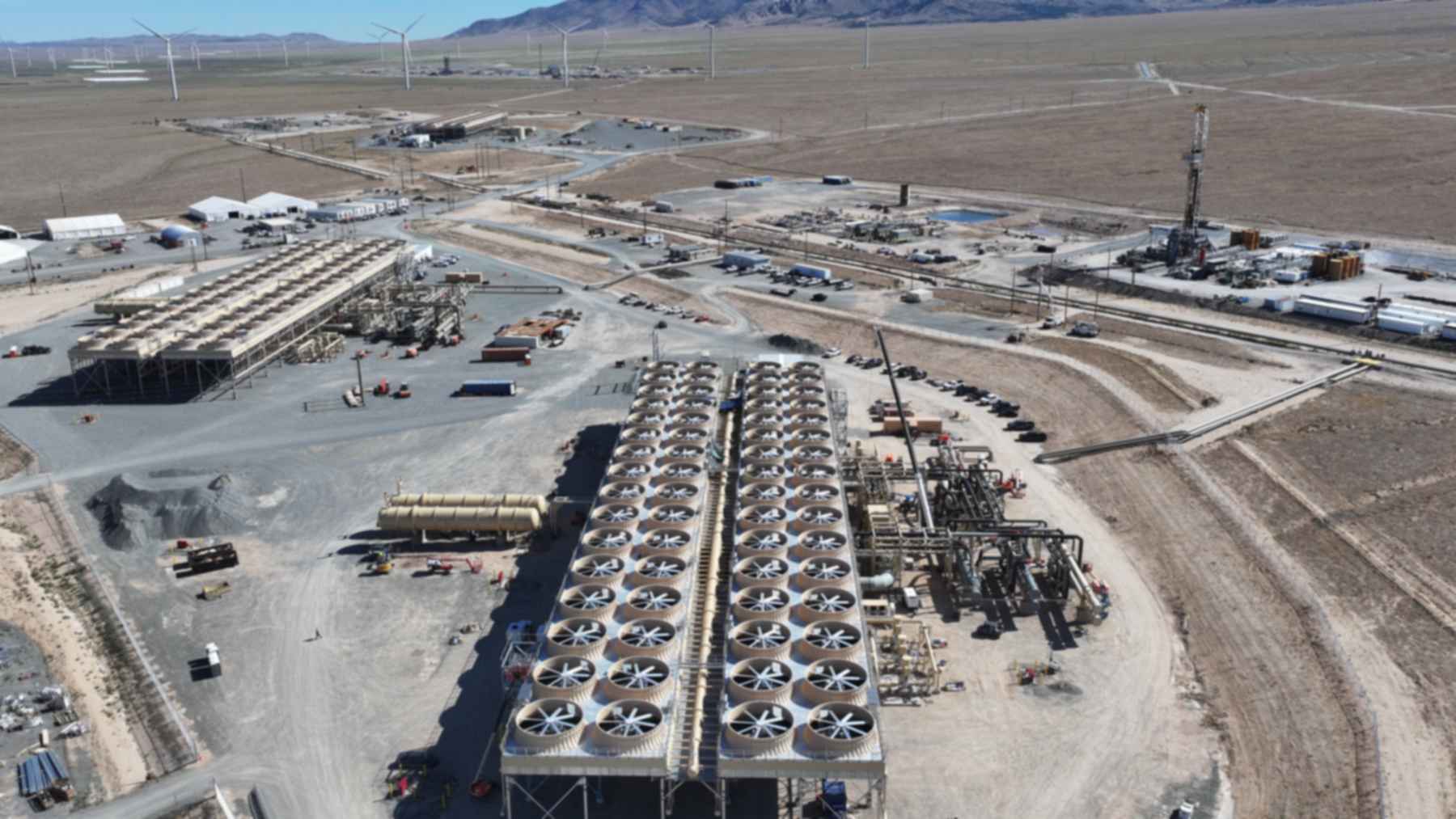
Wheatridge brings together 300 MW of wind power, 50 MW of solar, and 30 MW of battery storage. All together, they can supply around 100,000 homes, with emission-free electricity. These numbers may seem impressive, but the facility has to follow a very detailed set of environmental rules — and one of the smallest residents of this site, plays a surprisingly significant role in them.
A license with speed limit
Oregon’s site certificate is not just a voluntary commitment, it is a binding agreement between the state and operators. During construction and operation, trucks cannot exceed a speed of 20 mph on new or upgraded private access roads. As the solar array has 3.2 miles of service roads, maintenance works are carried out in a controlled place, similar to school-zone speeds. (oregon.gov)
Why is this so strict? The speed limit follows the habitat standard for fish and wildlife. The presence of squirrels results in even more specific rules before a worker can even get near a suitable habitat.
Spring surveys can stop construction
Before starting any work, a qualified biologist with experience in locating Washington ground squirrels has to survey suitable habitat within 1,000 feet from the area where the work is planned. Such inspections can only be carried out from March 1 to May 31, and the validity of the results lasts for three years. If crews miss that window, construction could be forced to delay work until the following spring.
Once a colony is found, this changes how its surrounding land can be used. The area is classified as Category 1 habitat, which means that workers must stay out of that land and mark the restricted area in order to protect it and prevent temporary or permanent damage. For sites classified as Category 2, Statewide guidance from ODFW establishes a 785-foot buffer and places suitable habitat within about 5,000 feet. This also applies to the equipment: underground cables might need extra protection from rodents’ teeth.
Eight months below surface
This limited time for the survey season is explained by the species’ unusual schedule. In general, Washington ground squirrels are active from midwinter to early summer. After this, they spend most of the year dormant underground. Adults weigh less than a burrito, from 4.2 to 10.6 ounces. ODFW as endangered, some of its main limiting factors are habitat loss and fragmentation.
Protections renewed in 2026
These standards are updated. In May 2026, Oregon approved an amendment that separated the operating 50 MW solar facility from the still unbuilt 100 MW Wagon Trail Solar project and gave more time for its construction deadline. Future works are subject to renewed certificates’ rules on wildlife surveys, monitoring, and habitat protection.
If the next phase is delayed again, biologists may have to inspect the area again and count the burrows again before crews can install new posts. Daily operations are also restricted, trucks are forced to travel along the designated private roads at a speed limit of 20 mph.
The official statement was published on Department of Energy.