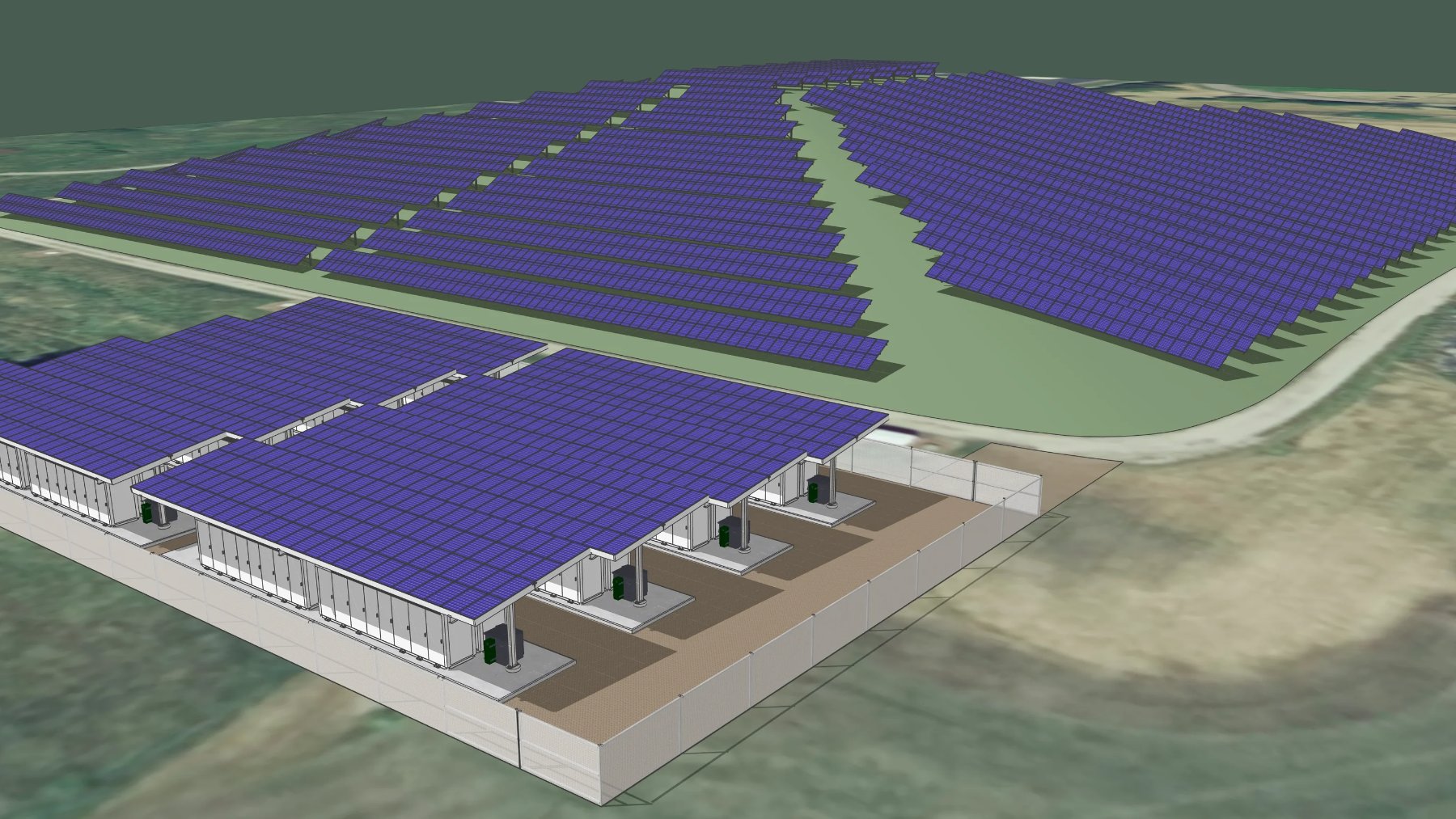
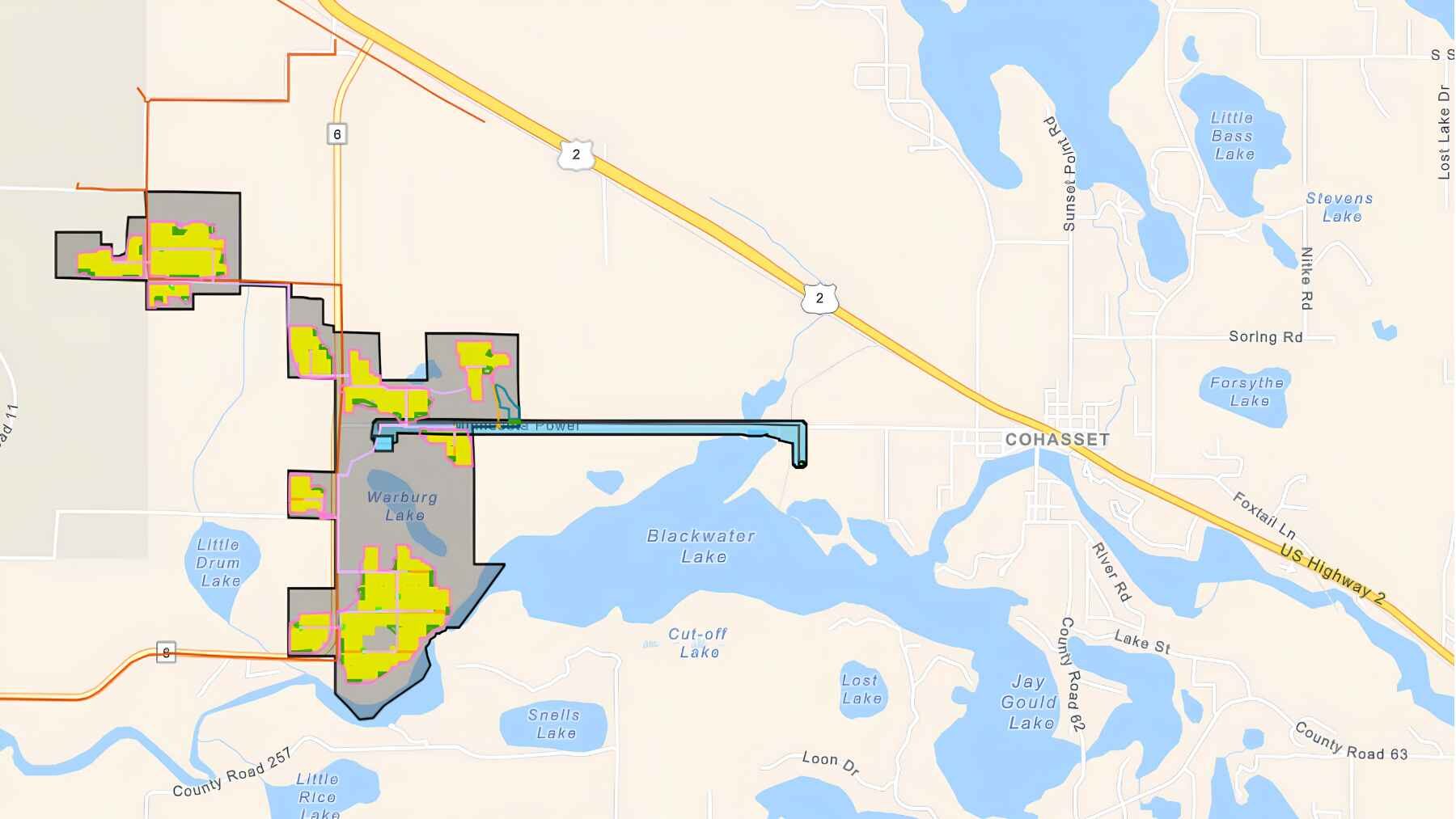
On the surface, Minnesota Power’s new Boswell Solar project is a plan involving 177,675 panels, 85 megawatts, and roughly 500 acres near Cohasset. The more important detail is already buried in the site’s history, because the array is rising beside two operating coal units totaling 940 megawatts and decades of electrical infrastructure.
Boswell needs a collector substation and a 2.45-mile 230-kilovolt line to connect, while the larger Regal Solar project near Royalton needs a new substation and 3.5 miles of collector line. Both were selected from the same 2023 solicitation and are expected online in mid-2027, turning their simultaneous construction into a rare real-world comparison of what an inherited grid connection can change.
Boswell inherited its connection
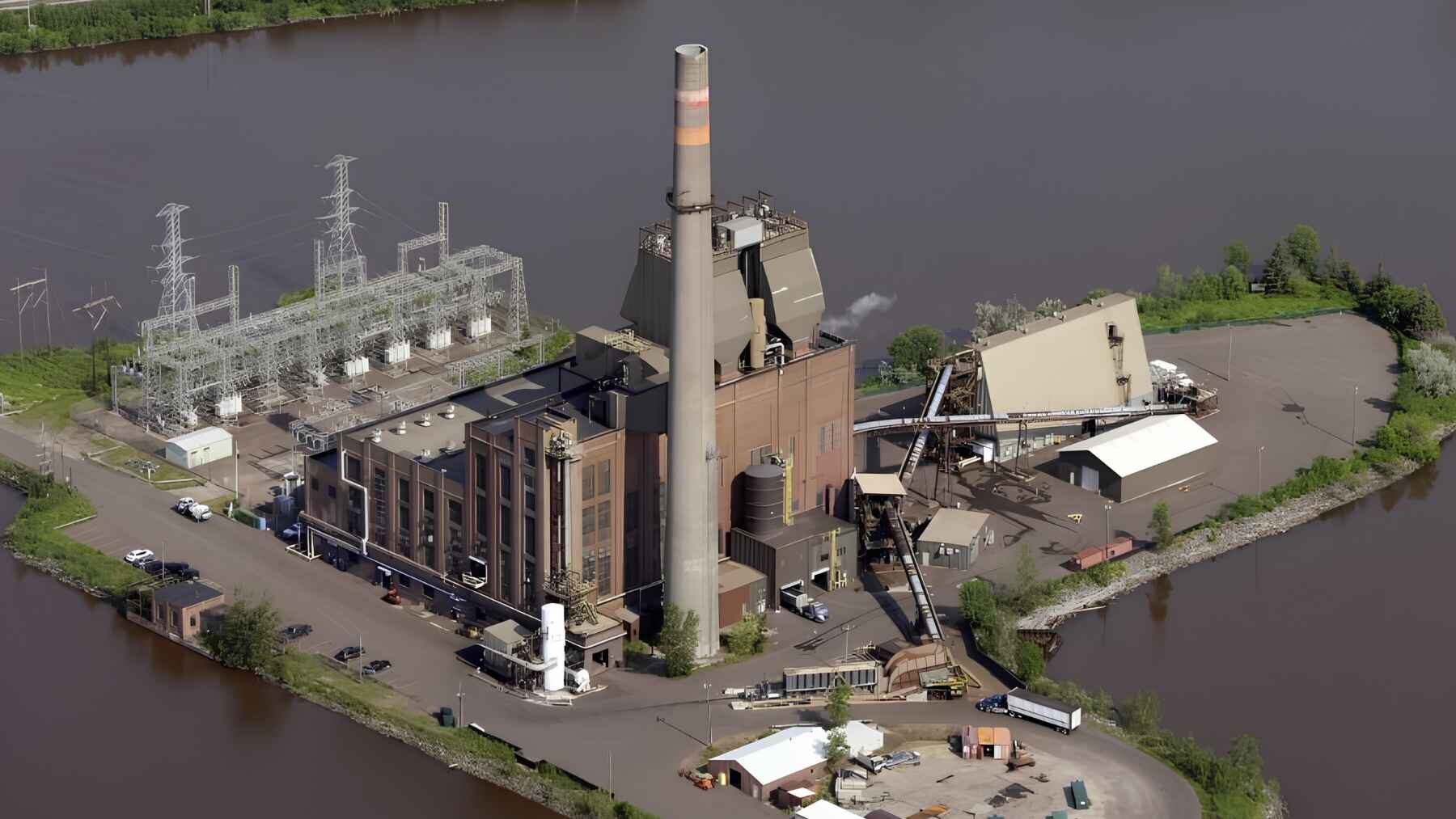
The Boswell Energy Center began taking shape in 1956 and entered commercial operation in 1958. Its two remaining coal units, Unit 3 and Unit 4, came online in 1973 and 1980 and provide 355 and 585 megawatts, respectively.
That long history left behind something renewable developers now prize almost as much as a sunny site. Boswell Solar still needs new equipment, but it can connect through infrastructure already serving the power plant, rather like joining a highway through an existing on-ramp instead of building the interchange first.
Regal starts from scratch
Regal Solar is bigger, with 119.5 megawatts, about 255,000 modules, and an approximately 800-acre footprint near Royalton. Unlike Boswell, its published connection plan starts with a new substation and a 3.5-mile collector line to the regional grid.
The panels themselves are strikingly similar, with bifacial modules on single-axis trackers that can capture light reflected from the ground and Minnesota snow. Boswell is expected to produce about 167,000 megawatt-hours a year for roughly 19,500 homes, while Regal is projected at 242,000 megawatt-hours for 23,000 homes.
The queue changes the math
Why does an old connection matter so much? Lawrence Berkeley National Laboratory found that projects reaching commercial operation in 2025 had waited a median of more than five years after requesting interconnection. Meanwhile, 549 gigawatts of projects with draft or executed interconnection agreements had still not reached commercial operation.
A construction crew can install a vast field of panels long before a utility completes every study, upgrade, and approval needed to move the electricity. Simply put, the plug can become the schedule, the schedule can become the price, and that price eventually lands on the electric bill.
Federal rules opened a route
In 2018, the Federal Energy Regulatory Commission required transmission providers to establish an expedited process for using or transferring surplus interconnection service at an existing point of interconnection. The rule limits combined output to the level already allowed under the original agreement and treats the process separately from the ordinary queue.
That does not prove Boswell Solar used this specific federal mechanism. Minnesota Power has publicly said the project will use existing electrical infrastructure, but the available project materials do not identify the exact interconnection procedure, so the narrower documented claim is the safer one.
Coal sites become energy hubs
The idea reaches well beyond Cohasset. The U.S. Department of Energy has noted that retiring coal sites can remain valuable assets because of their transportation access, skilled workforces, and existing points of interconnection, while Xcel Energy recently completed the 710-megawatt Sherco Solar complex on and around a retiring Minnesota coal plant.
Boswell is a different kind of transition because the solar array is being added while 940 megawatts of coal remain on the property. “Boswell will continue to play a critical role in northern Minnesota’s energy grid,” Minnesota Power executive Josh Skelton said, and the existing wires help explain why.
The gas debate remains
Solar is only one piece of Minnesota Power’s longer plan. In its pending 2025 integrated resource plan, the utility proposes ending coal use at Boswell by 2035, refueling Unit 3 with natural gas by 2030, partially refueling Unit 4 for 40% natural gas co-firing, and adding about 750 megawatts of new gas capacity.
State regulators also required alternative “Clean Firm” scenarios that remove new gas plants or sharply limit gas use. The decision will unfold under Minnesota law, which requires public utilities to reach 80% carbon-free electricity by 2030, 90% by 2035, and 100% by 2040.
What this comparison proves
The official public summaries reviewed here do not provide a like-for-like, itemized cost comparison between Boswell and Regal, so assigning a dollar value to Boswell’s inherited connection would go beyond the evidence. What the documents do show is simple enough, with one project tying into an established power-plant site and the other requiring a new substation and a longer collector line.
Although panels may dominate the photographs, the underlying advantage rests in the substations and transmission network already in place, and as Minnesota replaces fossil fuel generation, some of coal’s most useful leftovers may be the routes clean electricity can follow.
The official press release was published on Minnesota Power.