In northern Quebec, flooding for Hydro-Québec’s La Grande hydroelectric complex pushed mercury in fish to 2 to 8 times natural lake levels, according to a 2017 study of more than 37,000 fish. Most predators took 20 to 31 years to recover, and in May 2026 the Cree health board said most local fish can be eaten safely.
The plan dates to April 30, 1971, when Quebec Premier Robert Bourassa announced a $6 billion hydroelectric project for the James Bay region and called it the “project of the century.” According to the Cree Nation Government’s official timeline, Quebec did not consult the Eeyou/Eenou of Eeyou Istchee, whose major hunting territories the dams would flood.
On November 15, 1973, Judge Albert Malouf ordered the work stopped on the basis of Eeyou and Inuit rights, the timeline says. Two years later, on November 11, 1975, Grand Chief Billy Diamond signed the James Bay and Northern Quebec Agreement, and a modified project went ahead.
Water over the forest floor
The first generating unit at La Grande-2, later renamed for Bourassa, started in October 1979. By 1993, the seven biggest reservoirs of the first two phases had drowned about 4,158 square miles (10,769 square kilometers) of land. Reservoirs can hold a landscape for generations, as the old town that resurfaced when Montenegro’s Lake Piva dropped showed.
The mercury came with the land. According to Hydro-Québec’s mercury page, ground cover, leaves and moss in newly flooded reservoirs feed bacteria that turn inorganic mercury into methylmercury, which builds up easily in plankton, insects, fish and people. Fish that eat other fish, such as northern pike, walleye and lake trout, carry more of it than insect eaters such as lake whitefish.
More than 37,000 fish in the nets
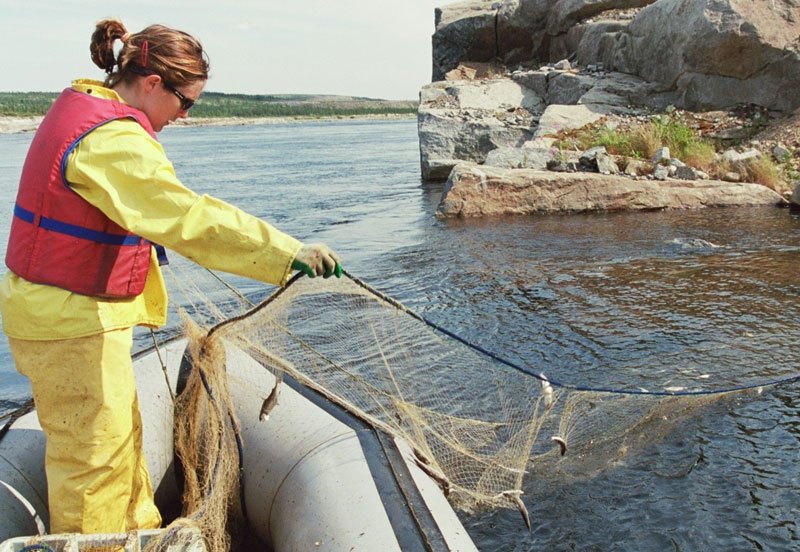
When the complex was built, the temporary rise of mercury in reservoir fish was a virtually unknown phenomenon, Hydro-Québec’s 2013 summary says. So crews started fishing before the water rose and kept at it for more than three decades.
François Bilodeau, then with Hydro-Québec Production, led the 2017 analysis with Jean Therrien of WSP Canada and consultant Roger Schetagne. Nets 151 feet (46 meters) long went in at each station to catch fish that Indigenous people often ate: lake whitefish, longnose sucker, northern pike, walleye and lake trout.
Peaks that came years late
Mercury rose quickly in every species after flooding, the authors write. It peaked after 4 to 11 years in fish that do not eat other fish and after 9 to 14 years in fish eaters. At their worst, pike of standard length averaged up to 4.66 micrograms of mercury per gram of flesh, against Canada’s marketing standard of 0.5 micrograms per gram.
The burst itself was short. According to Hydro-Québec, the extra methylmercury production generally ends 8 to 10 years after impoundment, once the easily decomposed soil and vegetation are gone. In the paper, most predators were back to natural-lake levels after 20 to 31 years, as long as no new flooding occurred.
At Laforge 1, pike had almost recovered 13 years after the reservoir first filled when the numbers climbed again. The authors tie the reversal to a second impoundment that flooded another 798 square kilometers (about 308 square miles) of forest soils. In the Robert-Bourassa reservoir, pike still averaged 1.61 micrograms per gram after 33 years, and nearly 60% of their diet was other fish eaters.
Counting meals at the kitchen table
The monitoring existed to give public health agencies the data to manage the risks of eating fish, the 2017 paper says. In 1986 the James Bay Cree, the Quebec government and Hydro-Québec signed a mercury agreement, and Quebec public health authorities set meal limits by species and lake.
At peak levels, according to the 2013 summary, the limits for large reservoir pike, walleye and lake trout fell to a maximum of 2, 1 or less than 1 meal per month, against the 4 meals a month recommended for most natural lakes. On some waters the extra pike limits lasted 30 years.
A 2018 study by S. Ripley, E. Nieboer and colleagues found that high hair mercury readings had become less common in every age and sex group since 1993 and 1994, and that over 90% of women of childbearing age had acceptable levels. The authors still advised keeping high-mercury fish to a minimum, balanced against “promoting ongoing connection to Cree culture and land-based activities.”
The Cree health board’s advice in 2026
The Cree Board of Health and Social Services of James Bay posted its fish and mercury page on May 5, 2026, and updated it on May 13. “Most fish in Eeyou Istchee are low in mercury and can be eaten safely,” the page says. It also warns that higher exposure can affect the brain and nervous system, especially in babies in the womb and in early childhood.
The board recommends eating fish often, choosing smaller fish and favoring lake whitefish, speckled trout, cisco, sucker and lake sturgeon. It advises limiting walleye, pike, lake trout and burbot from reservoirs or downstream of them, as well as fish from the newer Eastmain-1 and Rupert reservoirs, in particular for young children and for women who are or may become pregnant or are breastfeeding.
Hydro-Québec’s short video on eating reservoir fish makes the same point: “The benefits to eating fish outweigh the risks of mercury exposure.”
Gaps in a long record
The 2017 authors note that flooded area, water flow, filling time, water temperature and the share of flooded land in the drawdown zone all act at once in large boreal reservoirs, which makes it hard to pin down which factors control the rise.
Most of the record also comes from Hydro-Québec, which built the dams, and the consultants it hired. In 2013 the summary recommended ending fish mercury monitoring in the waterbodies modified by Phases I and II, with one exception: northern pike from Lake Sakami, still limited to 1 meal per month.
In a 2020 article, Bilodeau and Hydro-Québec colleagues M. Plante and A. Tremblay found that none of the proposed fixes, from clearing land to adding selenium or lime, had been adopted, because of uncertain efficacy, harm to aquatic fauna and poor feasibility. New hydro projects are still planned, from a Montenegrin canyon that a 561-foot dam would flood to a Wyoming water battery that may disturb the trout waters below Seminoe Reservoir.
The full study was published in Inland Waters.
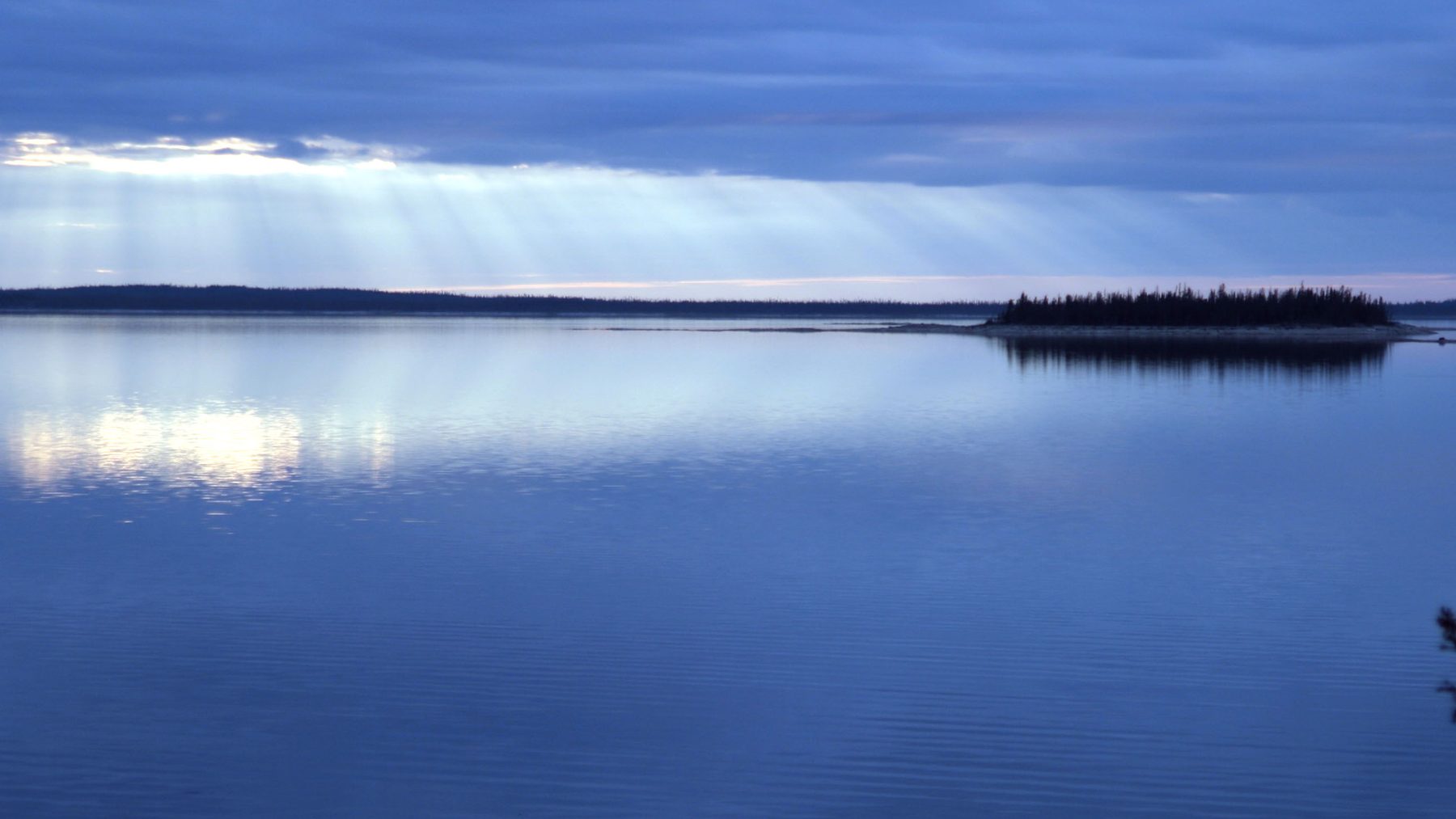
Photo: peupleloup / Wikimedia Commons, CC BY-SA 2.0