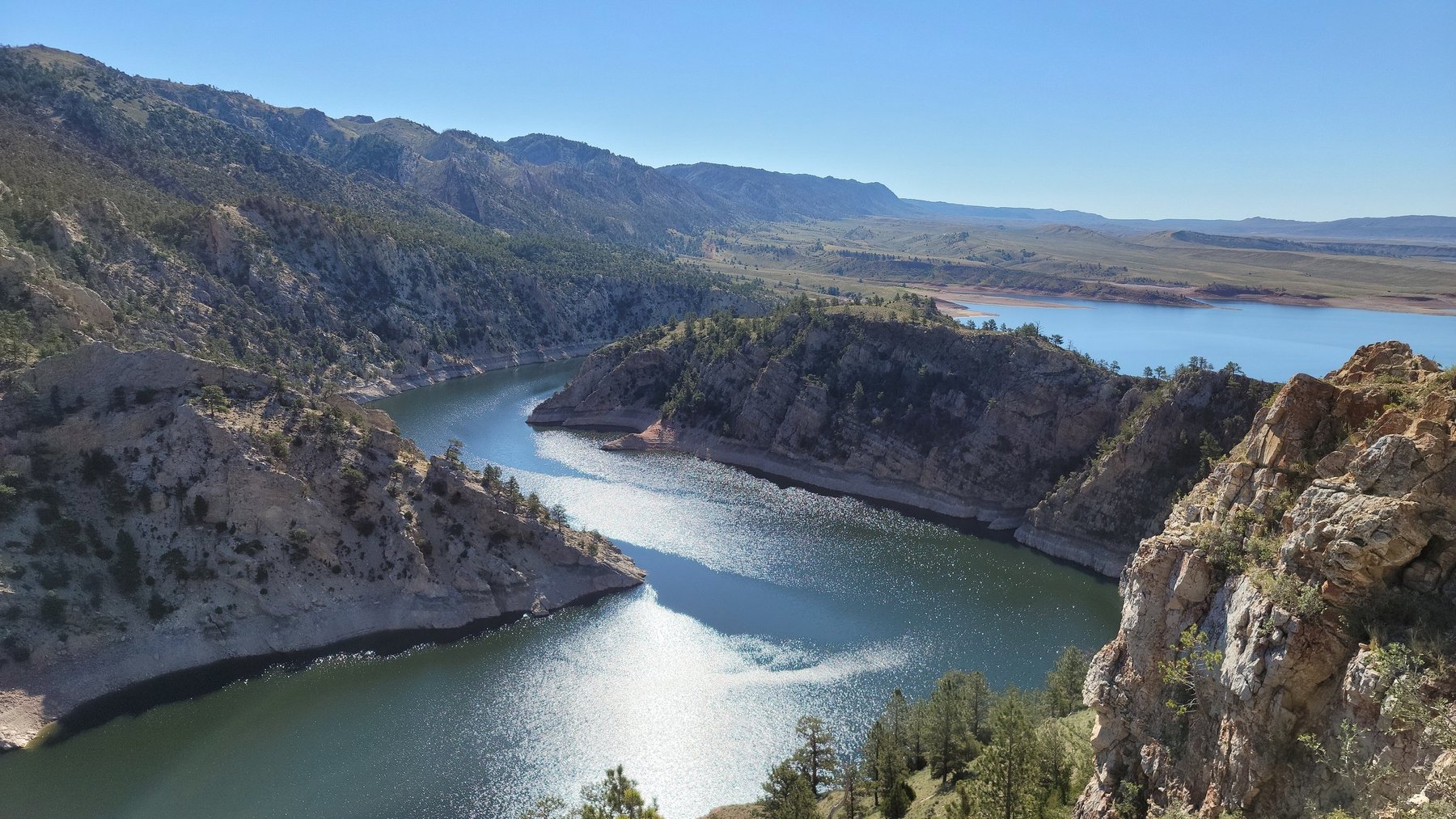
It was the 12th of June of 2026 when a group of federal regulators finally finished an important environmental review they have been working on. Their work had the intention of approving the construction of a 972 megawatts pumped storage project that would unite Wyoming’s Seminoe Reservoir with a lake high in the Bennet Mountains through the. The plan was to place the powerhouse together with its water-conveyance system underground and then connect the facility to the regional grid through two 30 miles transmission lines connected to the Aeolus Substation.
The newly planned reservoir could shift surplus electricity into the hours when homes and businesses need it most and especially when wind powered produced electricity is low. The big pay off is that doing so would require years of blasting rocks, heavy roadwork and the need for close monitoring of a prized trout system. The finished environmental review moves the idea closer to a decision but it does not settle the question.
A mountain designed to store electricity
Think of the whole project as a big rechargeable battery that is powered by gravity instead of lithium. When there’s plenty of electricity the motor generators pump water from the Seminoe Reservoir up to a 1,000 feet higher reservoir and about 10,000 feet east of the dam, using tunnels that carry the water through granite.
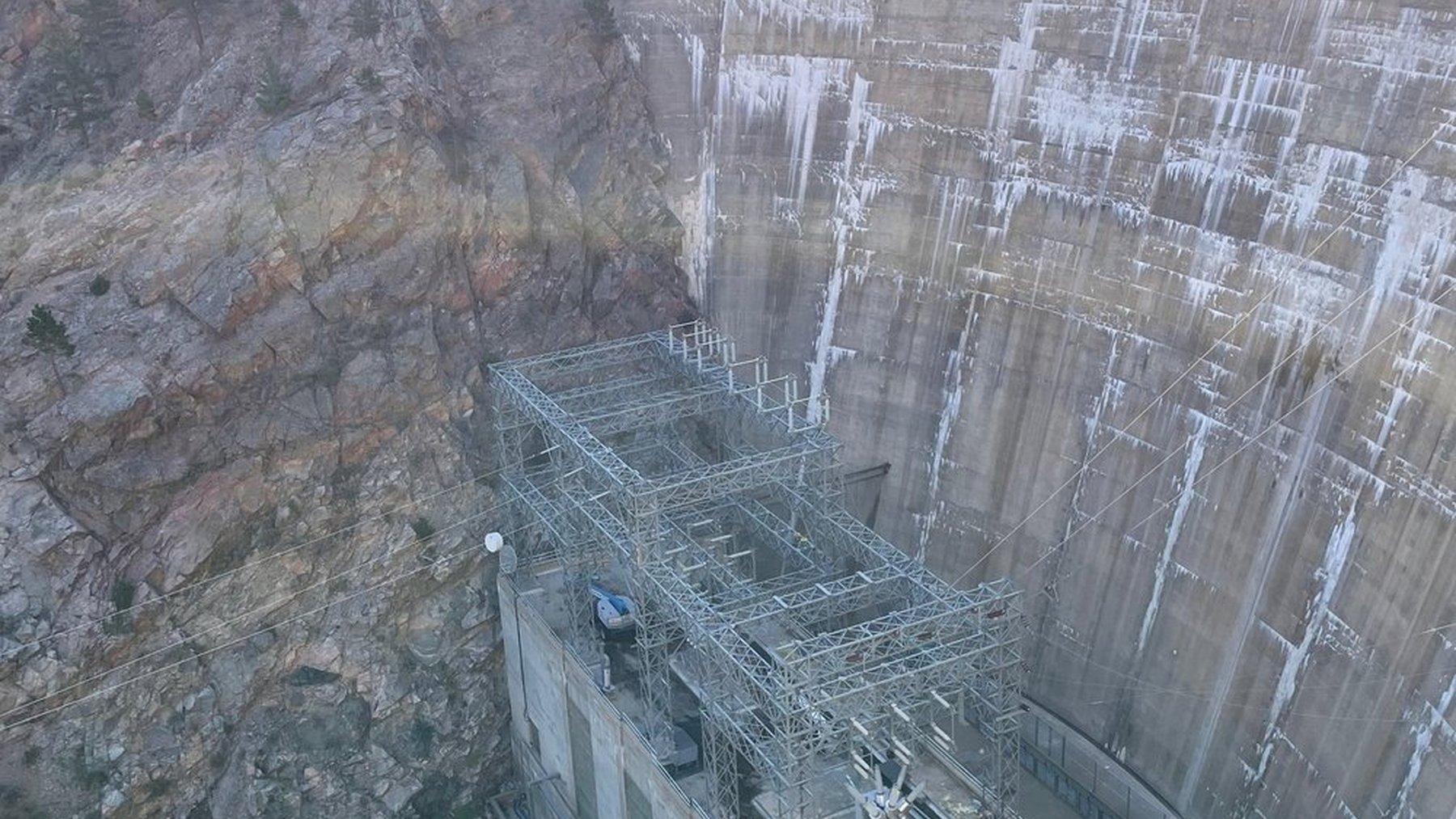
When the grid needs power the same water runs downhill through 3 underground pump turbines that together have the combined capacity of 972 megawatts. FERC data says the plant could generate power output for about 10 hours, while a full recharge would take an estimated 14.6 hours.
Why Wyoming’s wind makes storage viable
Wyoming has abundant wind generation but that does not correlate to electricity supply-and-demand always being lined up: such strong production during quieter overnight hours can leave the grid operators exposed to excessive power that has nowhere to go since there’s no demand. This forces them to reduce output or sell electricity cheaply since it would be a waste to not use it in any way.
Seminoe’s job is to absorb that surplus and only release it later. That would change the picture by giving the transmission infrastructure the option to carry energy only when the energy is really needed. There’s no free power though: the pumping uses more electricity than the turbines return, showing a round-trip efficiency of about 78 to 80 percent in the estimates.
Why the water accounting is important
Once they start operating those 10,800 acre-feet of water would be able to be cycled between the 2 reservoirs, which means the same volume would be reused over and over. The federal project description lists an initial fill of about 13,400 acre-feet and roughly 672 acre-feet a year to replace evaporation and seepage.
The Seminoe Reservoir is listed at over 1 million acre-feet of capacity, so the initial fill equals to roughly 1.3 percent of that total on paper. The reservoir levels, drought, downstream obligations and the timing of withdrawals will still impact the daily operations. The developers also argue that net evaporation caused by the project could be lower because water moved uphill would no longer evaporate from the lower reservoir.
Wildlife impact may complicate the clean-energy case
When the subject drifts toward environmental impact the situation gets a bit more complicated. The preplan of the project shows an area that would cover 2,000 acres of lands, with lots of the major components hidden underground.
The 5 years of planned construction would disturb the soil, preview the removal of important vegetation such as limper pine, would add more noise to the traffic and affect the habitat used by big game and birds of prey. Temporary changes in access, air quality and even the sightseeing views would most likely be noticed by visitors too.The water quality and the fish make up for another pressure point. FERC identified possible temperature and quality changes in water, both being factors that affect fish entrainment and the downstream blue-ribbon trout fishery. Wyoming’s water certification demands controls such as sediment curtains and a bubble wall near construction, along with conditions intended to protect Seminoe Reservoir, Kortes Reservoir, and the North Platte River’s “Miracle Mile.”
The final review is not a construction permit
The FERC staff recommends licensing the project under a modified alternative. One that would combine the developer’s intended measures with federal and all the state conditions. A recommendation is not a permission though, as of early September 2026 the federal permitting dashboard still lists the review-authorization as in progress.
For Wyoming, Seminoe would become a real world test of whether long duration storage can support renewable power. Is it possible to implement the project without impacting too much the environment around it? The whole balance will depend on transparent monitoring and how the regulators will act when the predicted impacts become real.