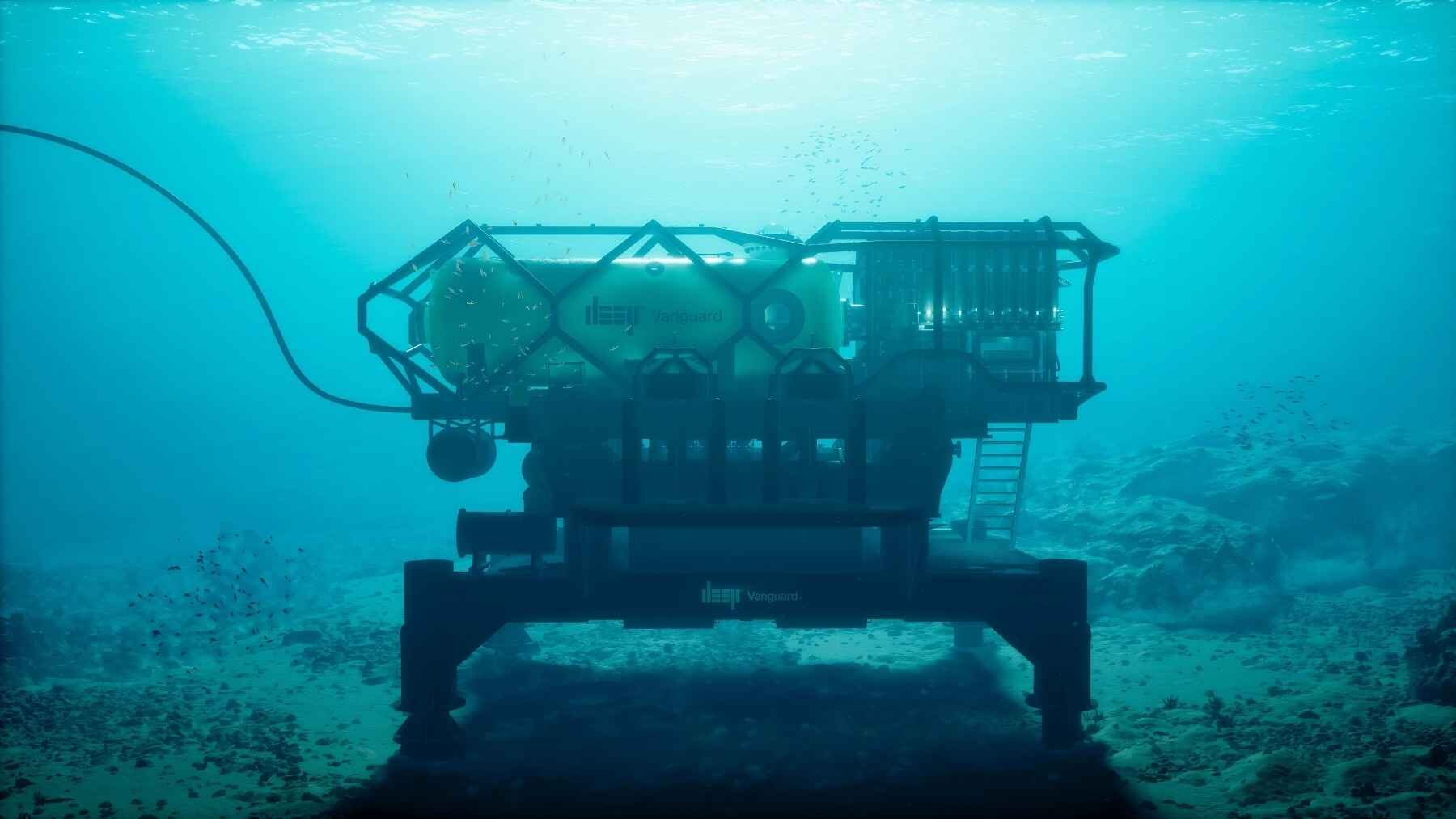
A brand-new steel human habitat which looks a lot like a submarine was lowered and now rests on the seafloor of the Tennessee Reef, at 56 feet below the islands known as Florida Keys.
The lights are kept on, the support buoy that feeds it is delivering power and all the major components have already been installed, but not everything is ready yet. DEEP, a company that has a blog about underwater news and that is also responsible for the project says that the Vanguard remains in operational readiness testing the waters while still working towards a DNV classification that will allow them to finally begin the crewed missions.
The first deadline application has already passed. Now, letters of intent were due August 14, while full proposals are due September 1 for up to five days research missions funded with $935,000 dollars from Florida. Everything is scheduled to begin as early as November 2026.
A home beneath the reef
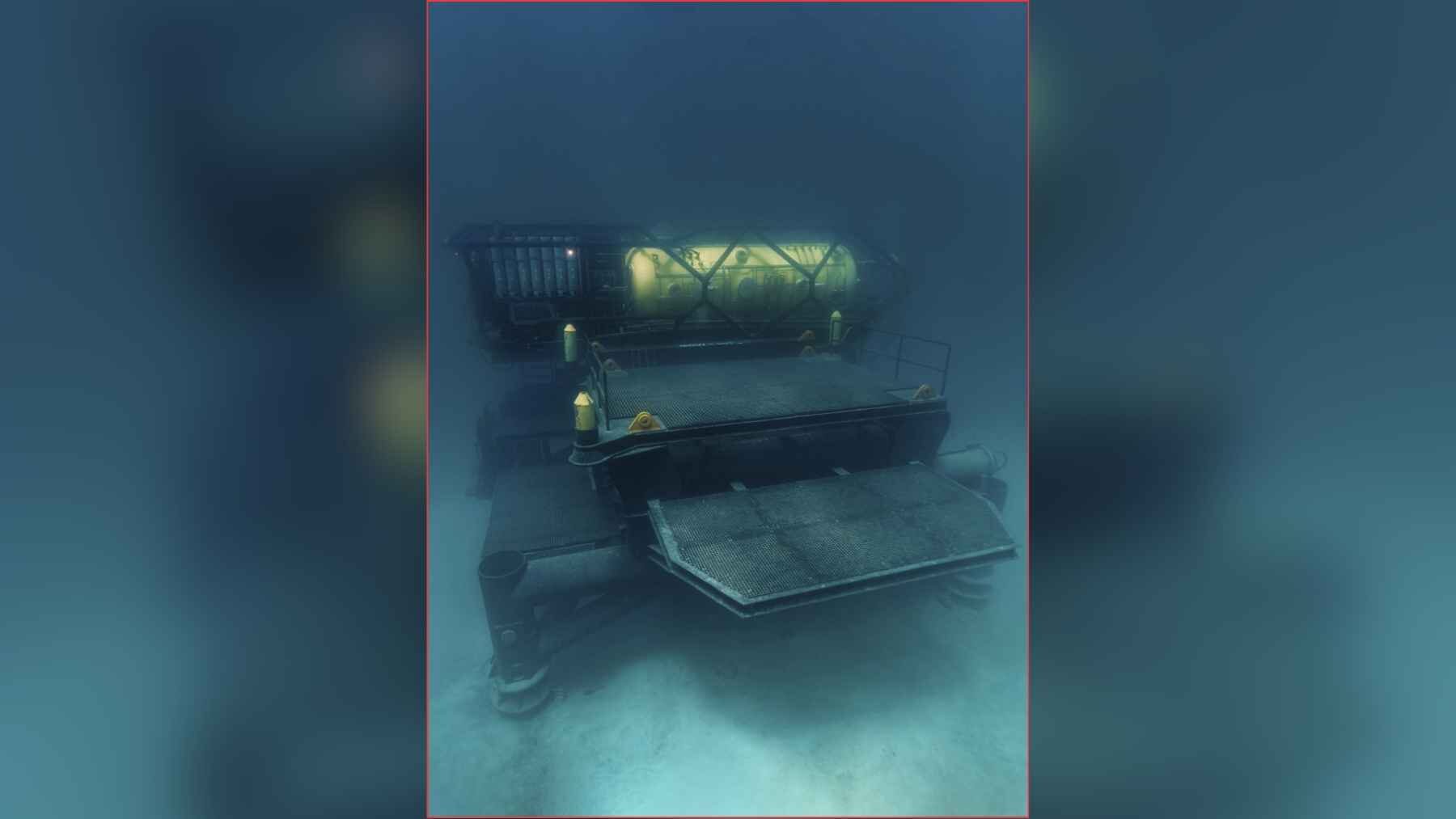
The livable area is a not so comfortable 35 feet long and 8 feet wide section with space for four aquanauts (which are just like astronauts but this time in the water). It includes bunks, a bathroom with a shower, a kitchen with a dining area and the most important part, a laboratory bench. Not too shabby.
Attached to the main body there’s a dive center with a moon pool, which in other words means an opening through the floor leading directly into the ocean. There’s also a tethered buoy providing compressed air, electricity, and cables for communication, while a shore station in the city of Marathon supports training and emergency response.
Why saturation matters
DEEP is revolutionizing because it’s opening a new possible way of doing underwater research. While surface based no-decompression diving has to be done and interrupted all the time the Vanguard being a “home” will be able to provide 10 times more bottom time than the usual, giving scientists and researchers a fundamental change in how they work: they are now going to be able to analyze and observe the reed continuously instead of having to collect short snapshots.
The ordinary scuba work that is traditionally done is limited because of the pressure that causes stationary gases to accumulate in divers’ tissues. During saturation operations researchers remain at pressure for days and undergo one single controlled decompression at the end.
What researchers could watch
With such advanced technical equipment at their disposal the ocean will become DEEP’s oyster. The topics of research include coral restoration, water quality, bleaching, diseases (of corals and wildlife in general), sedimentation, biodiversity, food webs and climate impacts. All that powered by the new possibility of continuous observation.
The estate of Florida is involved, contributing with almost a million dollars, while DEEP lists another one point five million dollars in in-kind support, bringing the program’s total value almost to a whooping 2.5 million dollars. Each new team that goes down can receive a research subaward of up to $50,000.
Of course DEEP also has curiosity about how their tech will work in practice. So another research priority involves testing robots, remotely operated vehicles, underwater sensors, and communication systems while the scientists are living underwater.
A carefully chosen site
The Florida Keys National Marine Sanctuary is home to the Tennessee Reef, the targeted subject of all the research. Because of their previous studies DEEP was able to identify a stable patch of sand that has no living corals or other sensitive resources before installing the Vanguard.
Vanguard also has a friend. The Aquarius Reef Base that is still being operated by the Florida International University lies at about 60 feet deep, a bit further down. DEEP therefore says Vanguard is different: more specifically it is the first open-ocean subsea human habitat built, tested and deployed in the United States in 40 years!
The first night must wait
Not everything is sunshine and roses though. During their first attempt to land Vanguard on the seabed the team divers discovered some leaking air connectors. Enough for the company to cancel the operation, raise Vanguard to the top, replace the components and wait for better weather to try again.
DEEP shared that their current work while waiting for the classification to go through is focused on system testing, on operations-team training and analysis of sea acceptance tests, all that witnessed by DNV. November remains the target for initial missions, but the real crewed operations will only begin once the habitat has proven that it can safely support four people living and coworking beneath the Florida Keys.
The latest official update was published on DEEP.