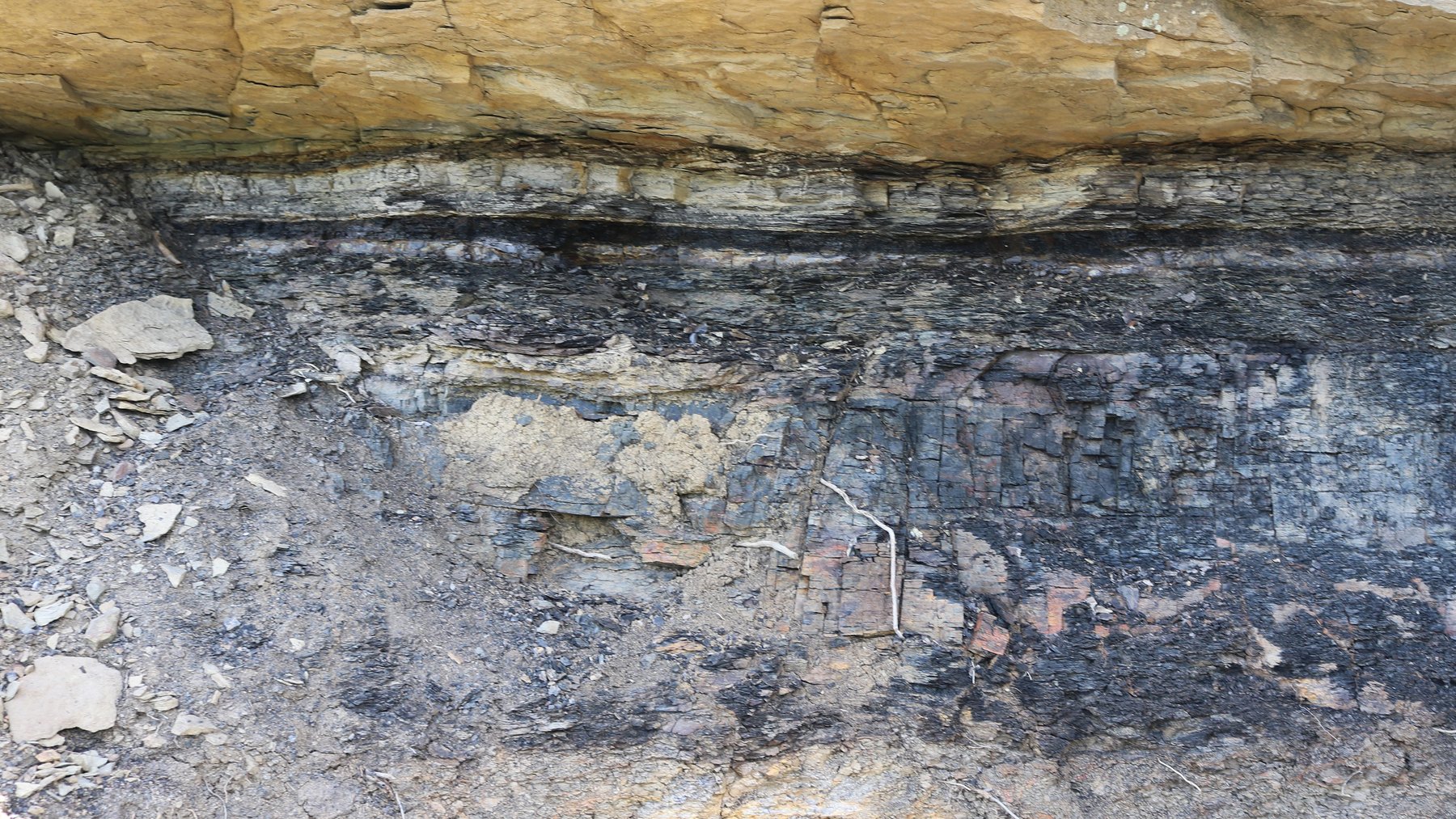
What does fertilizer have to do with uranium in a glass of water? More than many people might expect, according to research from the University of Nebraska-Lincoln that shows nitrate can help move naturally occurring uranium out of aquifer sediments and into groundwater.
The finding matters most in farm regions where many towns and rural homes rely on wells. The study suggests that nitrate pollution is not just a nitrate problem. Under the right conditions, it can become a uranium problem too, especially in parts of the High Plains Aquifer where uranium is already present in underground sand and silt.
Nitrate and uranium underground
Across the Great Plains, drinking water often comes from hidden layers of sand, silt, clay, and gravel. The High Plains Aquifer underlies about 169,000 square miles across parts of eight states and supplies public water as well as irrigation water to a heavily agricultural region.
That is why the research has drawn attention beyond the laboratory. Karrie Weber, an associate professor at the University of Nebraska-Lincoln, put it plainly when she said, “Most Nebraskans do rely on groundwater as drinking water.” She added, “So when you have high concentrations (of uranium), that becomes a potential concern.”
The uranium in question is not mainly from mining waste or industrial dumping. It can occur naturally in sediments, sitting underground until chemistry changes the way it behaves. The trouble starts when nitrate enters the same environment.
What the experiment found
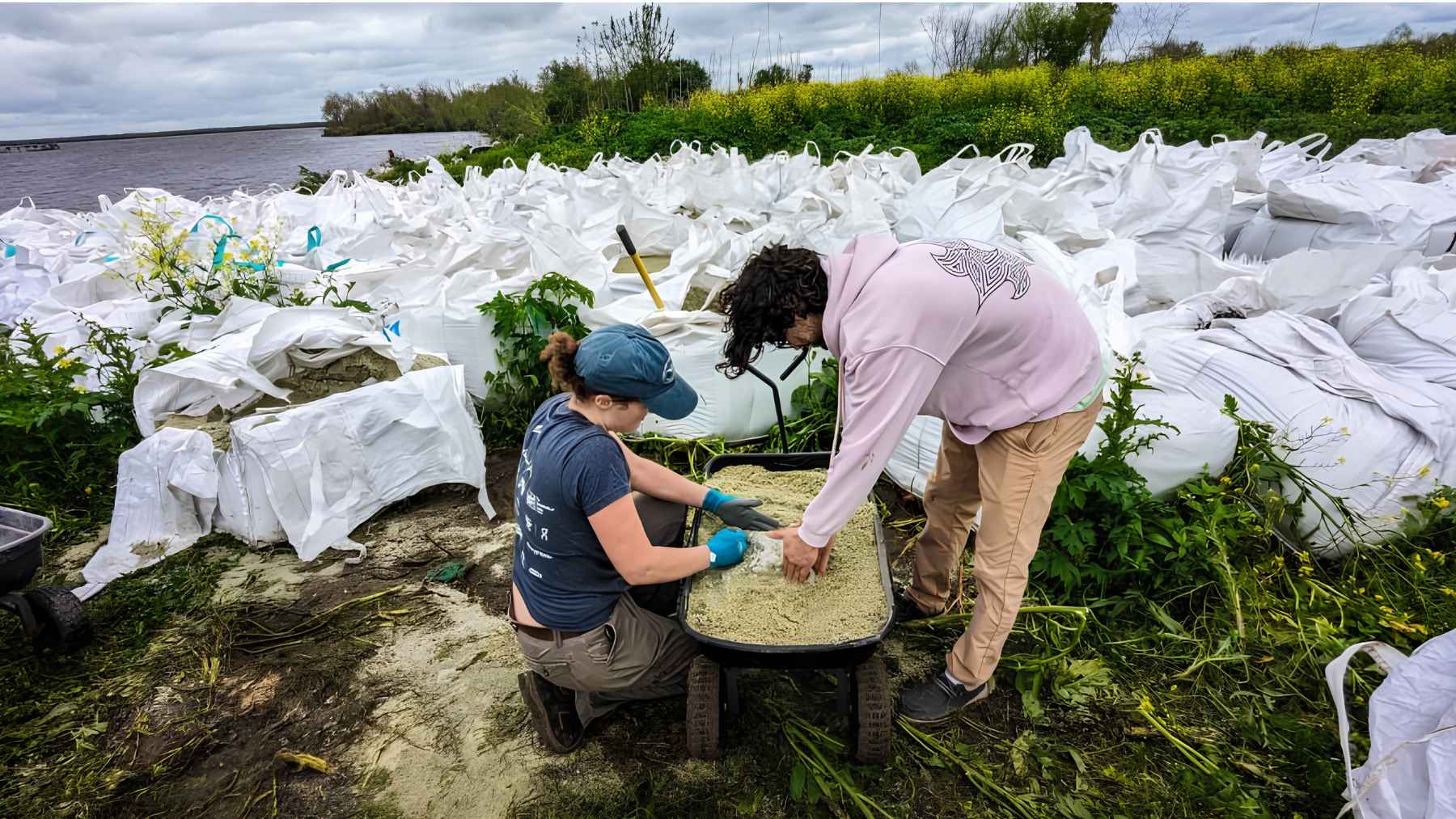
To test the idea, Weber and her colleagues collected two intact sediment cores from an aquifer site near Alda, Nebraska. Each core was about 2 inches wide and reached roughly 60 feet deep, and the team worked carefully to keep oxygen and temperature changes from disturbing the natural conditions.
Back in the lab, researchers filled columns with the aquifer silt and pumped simulated groundwater through them at realistic underground flow rates. Some water had no added nitrate, some had nitrate, and some had nitrate plus an inhibitor meant to slow microbial activity.
The difference was striking. Water with nitrate and active microbes carried away about 85% of the uranium in the sediment. Water without nitrate moved about 55$, while nitrate water with the microbial inhibitor moved about 60%.
Microbes move the story
At first glance, nitrate might sound like a simple farm chemical. It helps crops grow, and it also comes from manure and septic systems. However, underground, it can feed a small biological chain reaction.
The researchers found that native microbes can transform nitrate into nitrite. That nitrite can then oxidize nearby uranium, changing it into a more soluble form that can ride along with moving groundwater. A tiny microbial process, in other words, can affect what eventually reaches a well.
That is the part of the study that feels especially important. The same uranium-mobilizing process had been known in highly contaminated places, including uranium mines and nuclear waste processing sites, but this work shows it can happen in natural sediments too.
Why the limits matter
Federal drinking water rules set the maximum contaminant level for nitrate at 10 milligrams per liter as nitrogen, which is about 10 parts per million. For uranium, the federal limit is 30 micrograms per liter, or 30 parts per billion.
Those numbers can sound tiny. Still, tiny concentrations matter when families drink the same water every day, cook with it, make coffee with it, and mix baby formula with it.
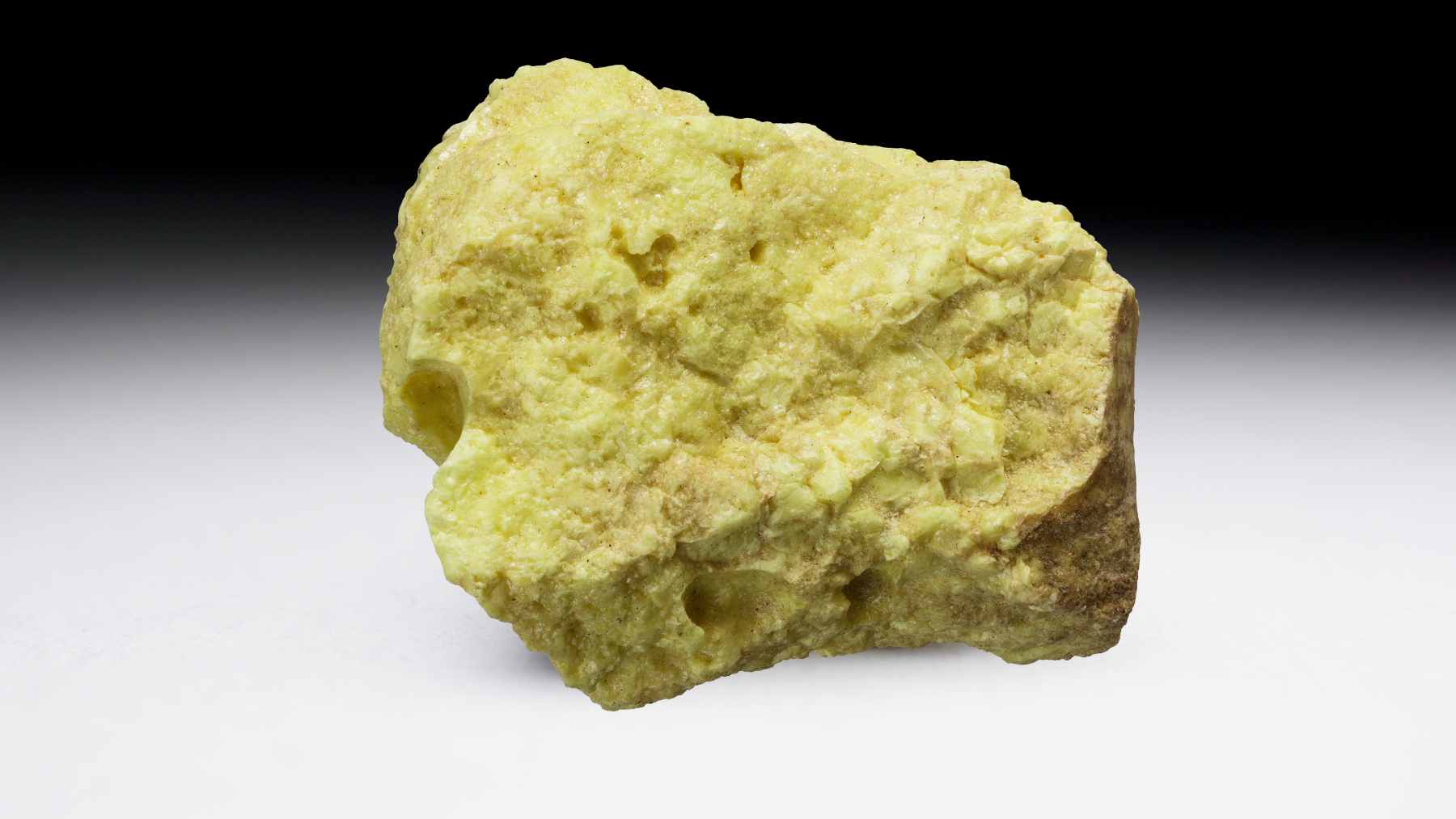
The Environmental Protection Agency defines a maximum contaminant level as the highest level of a contaminant allowed in drinking water, and those limits are enforceable standards.
That does not mean every well faces the same danger, but it does mean testing is not just paperwork. It is the only way to know what is in the water.
Where risk is highest
The risk is not spread evenly across every farm, town, or well. Geology still sets the stage, and areas with more naturally occurring uranium in sediments have more material available to be released.
Shallow groundwater can also be more vulnerable to what happens at the surface. The U.S. Geological Survey has noted that high uranium concentrations in the High Plains Aquifer correlate with nitrate concentrations, especially in shallow groundwater.
That fits the everyday reality of rural water. A well near cropland, manure storage, or septic systems may face a different set of pressures than a deeper municipal supply that is routinely treated and monitored.
What communities can do
The clearest first step is local testing. Public water systems already have monitoring duties, while private well owners often need to arrange their own tests through certified labs.
On the prevention side, communities do not need to start from scratch. Better timing of fertilizer application, careful manure management, protected wellheads, and attention after heavy rains can all help reduce nitrate moving through soil.
Weber also offered a bit of nuance that matters here. “Nitrate isn’t always a bad thing,” she said, but the key is “not to have too much.” At the end of the day, the study points to a tipping point, not a reason to panic over every trace of nitrate.
Water safety wake-up
The research does not say every glass of Midwestern well water contains unsafe uranium. It says that when nitrate levels climb in the wrong geological setting, another contaminant can become easier to move.
That is a quieter kind of environmental risk, and maybe that is why it deserves attention. There is no smoke, no spill, no obvious warning sign at the kitchen sink.
For farm country, the message is practical and clear. Keeping nitrate in check may also help keep naturally occurring uranium locked in the ground where, for the most part, it belongs.
The study was published in Environmental Science & Technology.