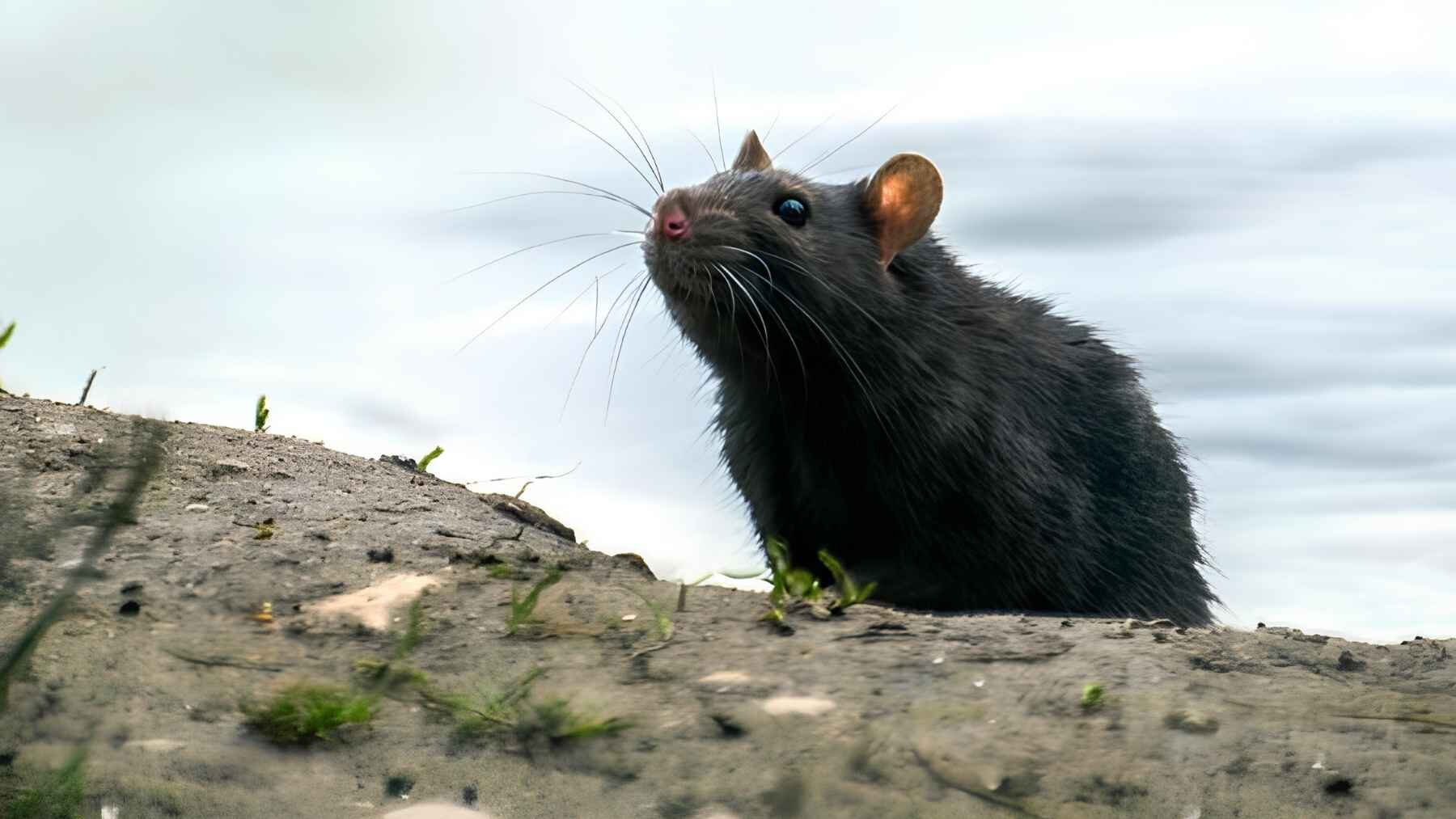
An invasive rat may never touch a coral reef, yet it can still change what reef predators find for dinner. New research from the Chagos Archipelago shows that rats suppress seabird colonies, cut a major flow of ocean-derived nutrients, and push nearby reefs toward a different food-chain structure.
The result is not a simple story of every animal declining. Tiny reef fish flourish near seabird-rich islands, while small crabs and shrimp gain relative ground near rat-infested islands, rerouting the way energy reaches larger predators.
A reef changed from shore
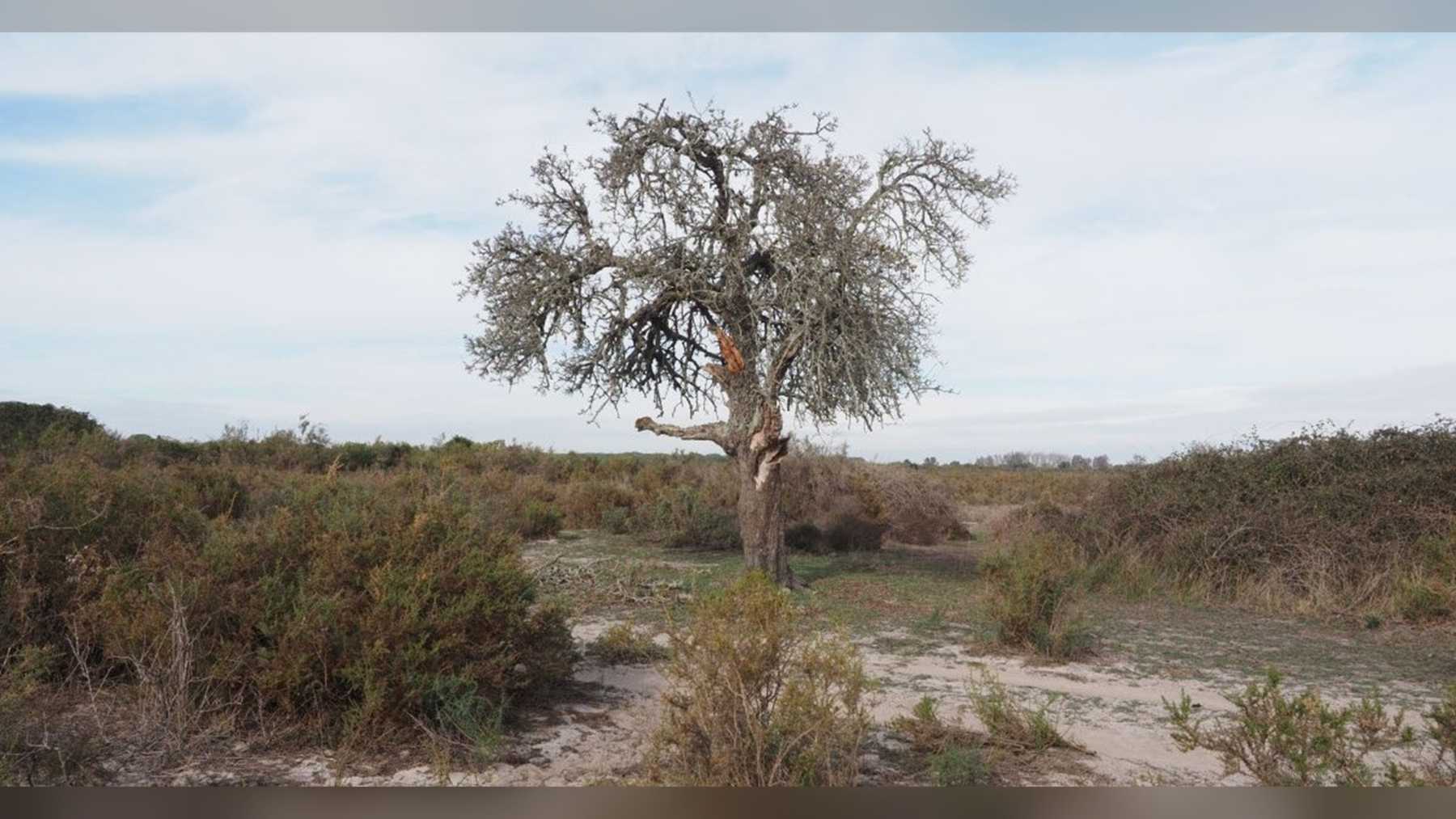
Rats reached many tropical islands as shipboard stowaways, then preyed on seabird eggs, chicks, and sometimes adults. Earlier research in the same archipelago found seabird densities 760 times higher and nitrogen deposition 251 times higher on rat-free islands than on islands where rats had been introduced.
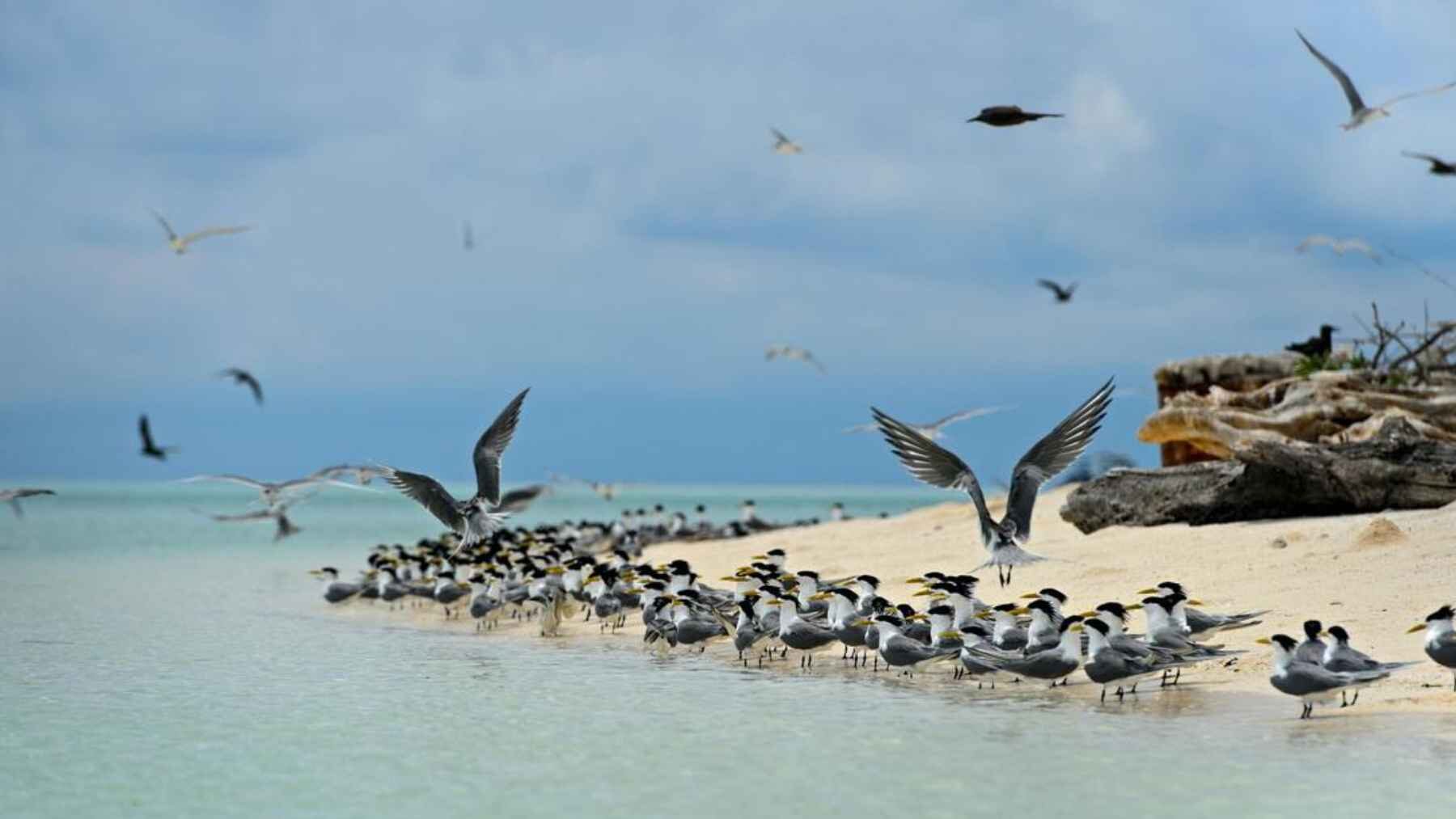
Seabirds feed in the open ocean, return to land, and deposit nutrient-rich guano that rain carries into coastal water, creating a natural fertilizer for algae, corals, and the animals that depend on them.
The tiny animals powering the reef
At the center of the new study are cryptofauna, the small fish and invertebrates that live near the bottom of coral reef ecosystems. They may be easy to overlook, but they form a crucial bridge between primary producers and larger reef predators.
Around rat-free islands, gobies, triplefins, and other cryptobenthic fish dominated this hidden community, with more than five times the biomass of small invertebrates. Around rat-infested islands, coral crabs, porcelain crabs, snapping shrimp, and their relatives became relatively more prominent, leaving fish and invertebrate biomass close to equal.
Why tiny fish take off
Cryptobenthic fish grow and reproduce at exceptional rates, which gives them high energy and nutrient demands. Seabird-fertilized reefs can meet those demands, allowing fish populations to expand rapidly when the nutrient pipeline from ocean to island to reef remains intact.
That expansion also changes the neighborhood. The researchers suggest that abundant fish occupy habitat that invertebrates might otherwise use and compete with them for food, helping explain why lead author Laura-Li Jeannot described the response as one with “winners and losers.”
Why crabs and shrimp gain ground
Low-nutrient conditions do not appear to harm every small reef animal in the same way. Near rat-infested islands, reduced numbers of cryptobenthic fish may release invertebrates from competition for shelter and food.
Their generally lower metabolic demands may also help them maintain biomass where nutrients are scarcer. So the rise of invertebrates is not evidence that rats improve reefs, but it does show why ecological disruption can reorganize a community instead of shrinking every part of it.
The food chain changes direction
The team compared nutrient assimilation, biomass, isotopic niches, and predator feeding pathways across nutrient-rich seabird islands and nutrient-poor rat islands. Stable-isotope patterns act much like chemical fingerprints, while mixing models help estimate which prey are supporting consumers higher in the food web.
Those analyses pointed to a stronger fish-mediated pathway near seabirds. Nutrient-rich reefs supported about twice the cryptobenthic fish biomass and a tenfold increase in the productivity of larger fish-eating predators, while rat-infested reefs had relatively more cryptic invertebrates and greater productivity among predators that eat them.
A small fish with an oversized role
Cryptobenthic fish have been estimated to provide up to 60% of the biomass consumed on coral reefs. They are nutrient-dense and readily digested, making them a more efficient meal than many invertebrates whose mass includes a tough outer shell.
That difference matters to a hunting fish trying to gain more energy than it spends searching. Near seabird colonies, mixed carnivores relied more heavily on cryptobenthic fish, showing how a change that begins with rats and bird nests can reach predators several steps away.
What the study does not answer
The work compares existing rat-free and rat-infested island systems, rather than tracking reefs through a completed rat-removal experiment. It therefore does not establish how quickly cryptofauna or predator communities would shift if rats disappeared and seabirds returned.
Still, the evidence links nutrient signatures, community biomass, dietary models, and predator productivity in the same direction. The study also fits earlier findings from Chagos showing that seabird nutrients reach reef organisms and support faster fish growth and stronger ecosystem functions.
Restoring the missing connection
For conservation managers, the practical message is unusually clear. Protecting seabirds and removing invasive rats should be considered not only island conservation, but also reef management, because the benefits can travel from nests and soil into the sea.
By breaking the seabird nutrient route, rats can change who thrives at the base of the reef food web and which predators benefit farther up.
The study was published in Ecology.