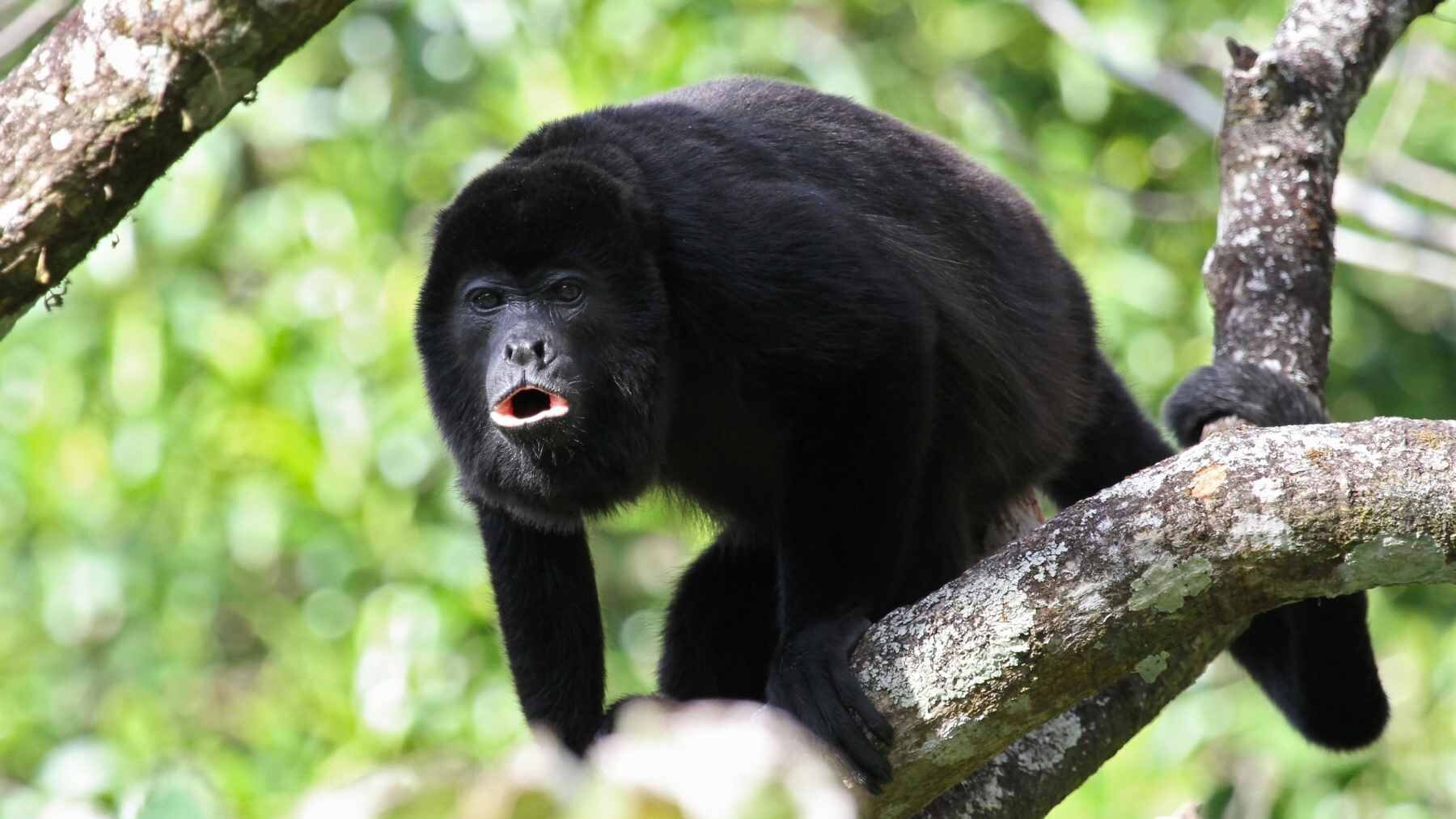
The deep roar of a Mexican howler monkey can carry about 1.2 miles through the forests of Los Tuxtlas in Veracruz. Now, scientists have detected something far quieter in the same treetops. More than 90 percent of 66 fecal samples contained microplastics.
The researchers describe this as the first methodologically robust record in a threatened primate in the Americas. It carries an uncomfortable message. A protected forest boundary cannot stop plastic arriving through air, rain, food, or water.
Plastic reaches the treetops
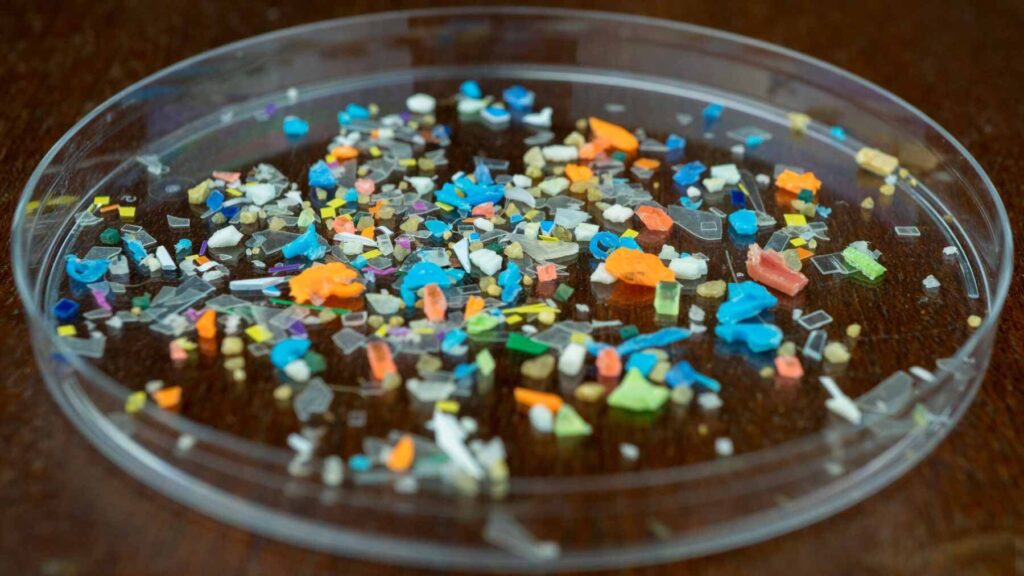
Microplastics are fragments, fibers, or pellets smaller than about one-fifth of an inch. They often form when bottles, bags, packaging, rope, and other plastic products break apart. Once tiny, they can move through soil, waterways, and the atmosphere.
Lead researcher María Fernanda Álvarez-Velázquez, working with the Instituto de Ecología and the Universidad Autónoma de Campeche, said the result challenged the team’s expectations. “We did not think microplastics would be present in the feces,” she recalled, because the monkeys live in trees and mainly eat leaves and fruit.
The team confirmed the particles with Fourier-transform infrared spectroscopy, a laboratory method that reads a material’s chemical fingerprint. The average was about 42 particles per ounce of dried fecal material. That measures what passed through the animals, not how much may have remained inside them.
What the lab found
Researchers identified 31 kinds of plastic, known as polymers, with fragments appearing more often than fibers or pellets. Polyethylene was the most abundant plastic in the feces, while discarded PET drink bottles and other waste were common around the reserve.
Twelve of those plastic types fell into at least one hazard category in the study’s screening index. The index flags materials that deserve closer study, but it does not diagnose poisoning or disease. Fecal evidence confirms exposure and ingestion, not the dose entering tissues or the long-term health effect.
How did plastic get so high
The leading explanation is atmospheric transport. Wind can lift tiny particles and carry them far beyond the place where the original trash was discarded. A 2019 atmospheric study documented microplastics reaching a remote mountain catchment after traveling through the air.
In Los Tuxtlas, particles may settle onto leaves and fruit, then enter a monkey’s mouth during an ordinary meal. Rain could wash them into water held in tree holes or other small sources used by wildlife. In practical terms, the canopy may act like a huge net catching what the air brings in.
Grooming offers another possible route. Howler monkeys clean themselves and one another, so particles stuck to fur could be swallowed by accident. The researchers also raised inhalation as a possibility, although the study did not test breathing exposure directly.
From local trash to forest food
The team also looked toward communities surrounding the reserve. Packaged drinks and foods have added bottles, bags, foam, raffia, and containers to the local waste stream. Without reliable collection, yesterday’s wrapper can become tomorrow’s dust.
Open burning may make that waste more mobile. The researchers propose that heat and turbulence can release small plastic particles and residues into the air, where wind can move them toward forest patches. Still, roadside litter, dumps, synthetic fibers, and pollution from farther away may all contribute.
One more threat for an endangered monkey
The IUCN assessment lists the Mexican mantled howler as Endangered. Mexico’s national risk list also places the mantled howler in its endangered category. Habitat loss, forest fragmentation, and hunting have already reduced its room to survive.
Extreme heat added another shock in 2024, when howler monkeys collapsed and died in southern Mexico. Government agencies linked the emergency mainly to heat stress and dehydration while ruling out several infectious and toxic causes. The official response showed how quickly climate pressure can become a wildlife crisis.
Microplastic exposure now joins that crowded list. Scientists do not yet know whether the particles are reducing fertility, weakening immunity, changing digestion, or causing no measurable harm at current levels. But combined pressures can matter even when each one is difficult to isolate.
What conservation now requires
Protecting trees remains essential, but forest conservation must also include waste management and pollution monitoring. The National Commission of Natural Protected Areas already supports community conservation work in Los Tuxtlas. Plastic exposure now needs a place in that conversation.
The most immediate steps are practical. Communities and authorities can reduce open burning, keep dumping sites away from forest fragments, improve collection, and share clear information. “I would start by sharing this information with communities in an understandable, less technical way,” the lead researcher said.
Local action alone will not solve pollution that can travel for miles. Producers, retailers, and governments also shape how much disposable plastic enters the system. Cleanup matters, but preventing waste is the stronger barrier.
Questions that remain
Researchers still need to test leaves, fruit, water, air, and monkey feces across seasons and locations. They also need noninvasive measures of inflammation, nutrition, reproduction, and survival. Only then can they tell whether microplastics are simply passing through or adding pressure to an already vulnerable population.
For now, the conclusion is simple. Plastic has reached animals that spend most of their lives above the forest floor, inside one of Mexico’s best-known protected landscapes. The treetops were not out of reach after all.
The full study was published in Journal of Hazardous Materials Advances.