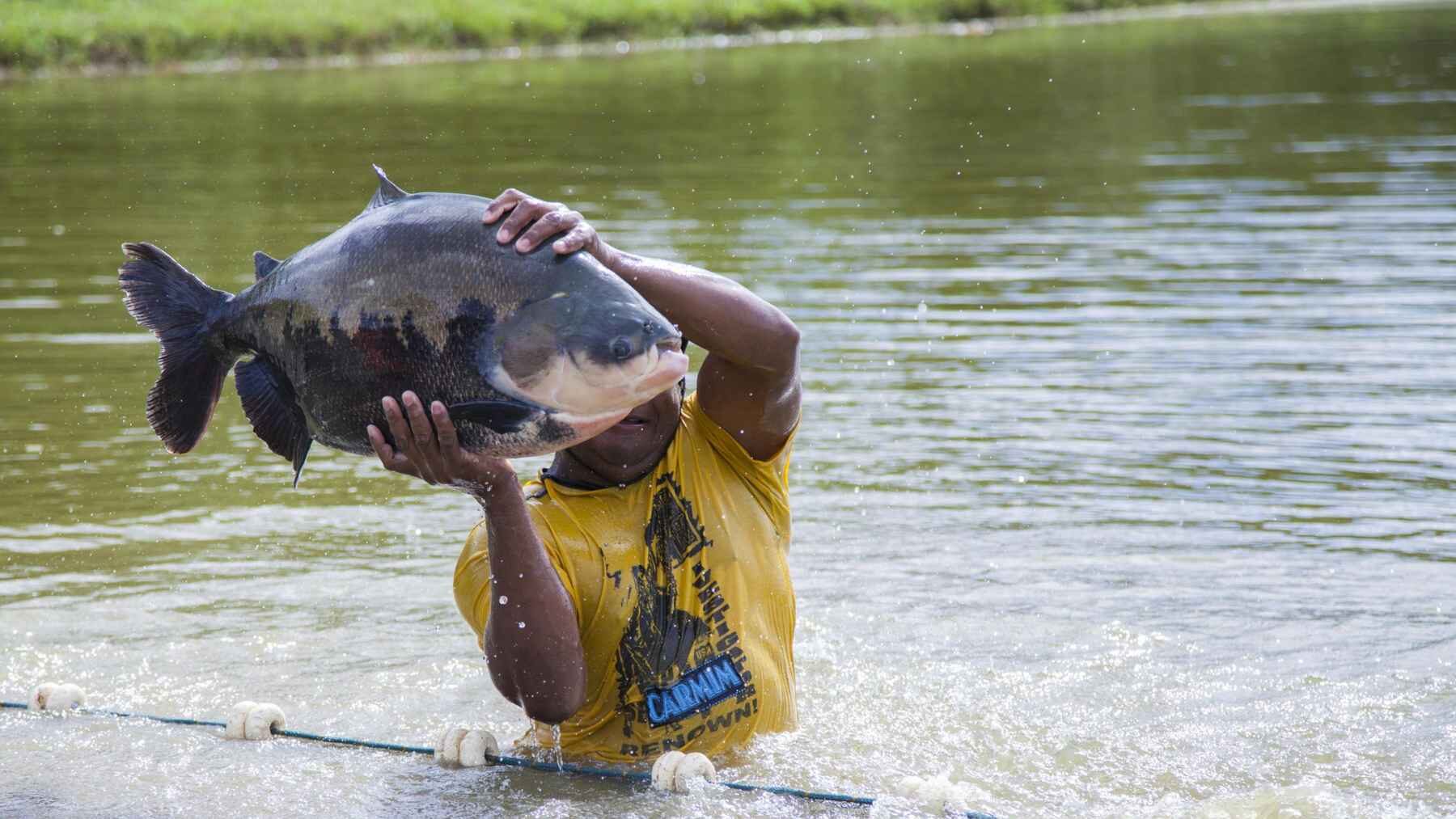
Few fish are as closely tied to everyday Amazon life as the tambaqui, one of the region’s most consumed species. Yet Brazil has now classified the wild fish as Vulnerable and placed it on the national list of threatened aquatic fauna.
That does not mean every tambaqui is about to disappear or that farm-raised fish must come off the menu. Licensed aquaculture remains exempt, while a newer federal ordinance gives authorities a 120-day transition from its July 27 publication before the new national prohibitions apply to wild-caught tambaqui, placing the turning point in late November.
The deadline has changed
Earlier reports focused on an October deadline created by rules published in April, but Brazil’s Environment Ministry later issued Ordinance 1,748. It specifically delayed the threatened-species prohibitions for tambaqui and gray triggerfish until the end of a new 120-day period.
Without an approved route for sustainable use, the protections can include bans on capture, transport, storage, processing, and sale of specimens taken from the wild. In practical terms, the next few months are a race to finish a recovery plan that protects the fish without abruptly cutting off river communities.
Why tambaqui was listed
The tambaqui (Colossoma macropomum), also known as cachama or gamitana, was classified as Vulnerable after an assessment projected a 43.4% population decline over three generations under continued intensive fishing pressure. That figure is a forecast across the species’ range, not a claim that exactly 43.4% of all tambaqui have already vanished.
The warning did not come from nowhere. A peer-reviewed study based on interviews with 392 rural fishers found a roughly 50% reduction in tambaqui body size and catch rate within a fishing impact zone extending more than 620 miles from Manaus.
A livelihood on the line
For Josué de Castro, who has fished Amazon waters for 38 years, tambaqui provides about 20% of his income. “It will have a major impact on fishers and riverside communities,” he told Mongabay, even as he said the species still appears abundant around his home in the Mamirauá region.
That tension sits at the center of the dispute. A national category describes the overall risk, but a fisher setting nets in a productive protected lake may see a very different reality from someone working a heavily depleted river closer to a major market.
One basin, many realities
Researcher Igor Hister Lourenço argued that a single restriction across the entire Amazon Basin could overlook strong regional differences. He said tambaqui remain plentiful in some places, while populations in parts of the Madeira River had disappeared for a period and only recently began to return.
The available evidence is uneven too. Brazil’s assessment reportedly relied on formal landing data from unprotected areas covering 61% of the species’ natural distribution, while protected areas and Indigenous territories covering the remaining 39% lacked comparable formal data.
Aquaculture changes the picture
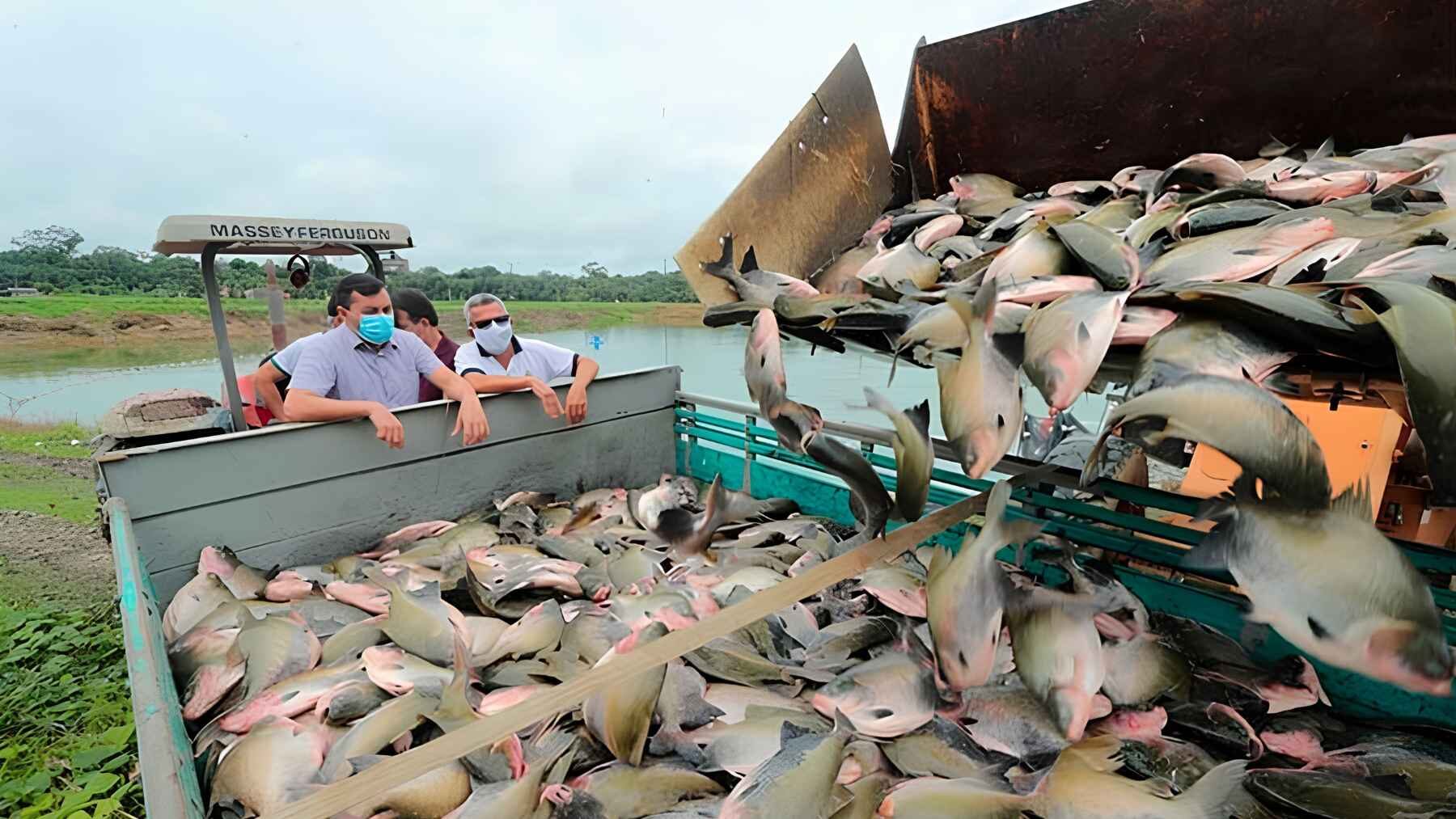
Farmed tambaqui have expanded across South America and help keep the fish available to consumers even as wild populations face pressure. Under Brazil’s April ordinance, specimens produced by properly licensed aquaculture facilities are not covered by the new capture and trade restrictions.
That distinction matters at the fish counter, but it also raises a fairness question on the river. Small-scale fishers worry that large farms will continue selling tambaqui while communities that depend on managed lakes bear most of the immediate cost. As a result, reliable traceability will be essential to separate legal farmed supply from wild catch.
What a recovery plan must do
Brazilian rules allow sustainable use of a threatened aquatic species when a recovery plan finds it environmentally viable, the Environment Ministry formally recognizes that possibility, and the responsible agencies publish detailed fishing rules. A plan can also maintain a moratorium when stocks need more time.
The government’s framework calls for a population diagnosis, conservation goals, catch or effort limits, traceability, monitoring, and periodic review. As of August 10, the ministry’s public recovery-plan page listed 10 existing plans, but tambaqui was not among them.
Another popular fish is affected
The same official list classifies the gray triggerfish (Balistes capriscus), known in Brazil as peroá, as Endangered. Fishers in Espírito Santo have also objected to a possible broad shutdown, arguing that low-impact artisanal fleets should not be treated the same way as industrial operations.
Tambaqui and gray triggerfish are only two entries on a national roster that now reaches 490 threatened fish and aquatic invertebrates. The scale of that list shows why Brazil needs rules that are biologically credible, enforceable on the water, and workable for people whose electric bill and groceries depend on the day’s catch.
What happens next
The best recovery plan will not choose between fish and fishers as though one can survive without the other. It will need regional data, community participation, protection for depleted stocks, clear controls for any permitted harvest, and enough monitoring to tighten or relax measures when the evidence changes.
For now, the tambaqui’s new status is a warning light, not an obituary.
The latest official ordinance was published in the Diário Oficial da União.