Deep-sea mining has long been presented as a possible answer to a very modern problem. How do you get enough nickel, cobalt, manganese, and copper for batteries, electric cars, and renewable technology without opening more mines on land? A new study now gives scientists something more concrete than forecasts.
After a large mining machine crossed part of the Pacific seafloor, animal density in the machine tracks fell by 37 percent and the number of different species found in samples fell by 32 percent.
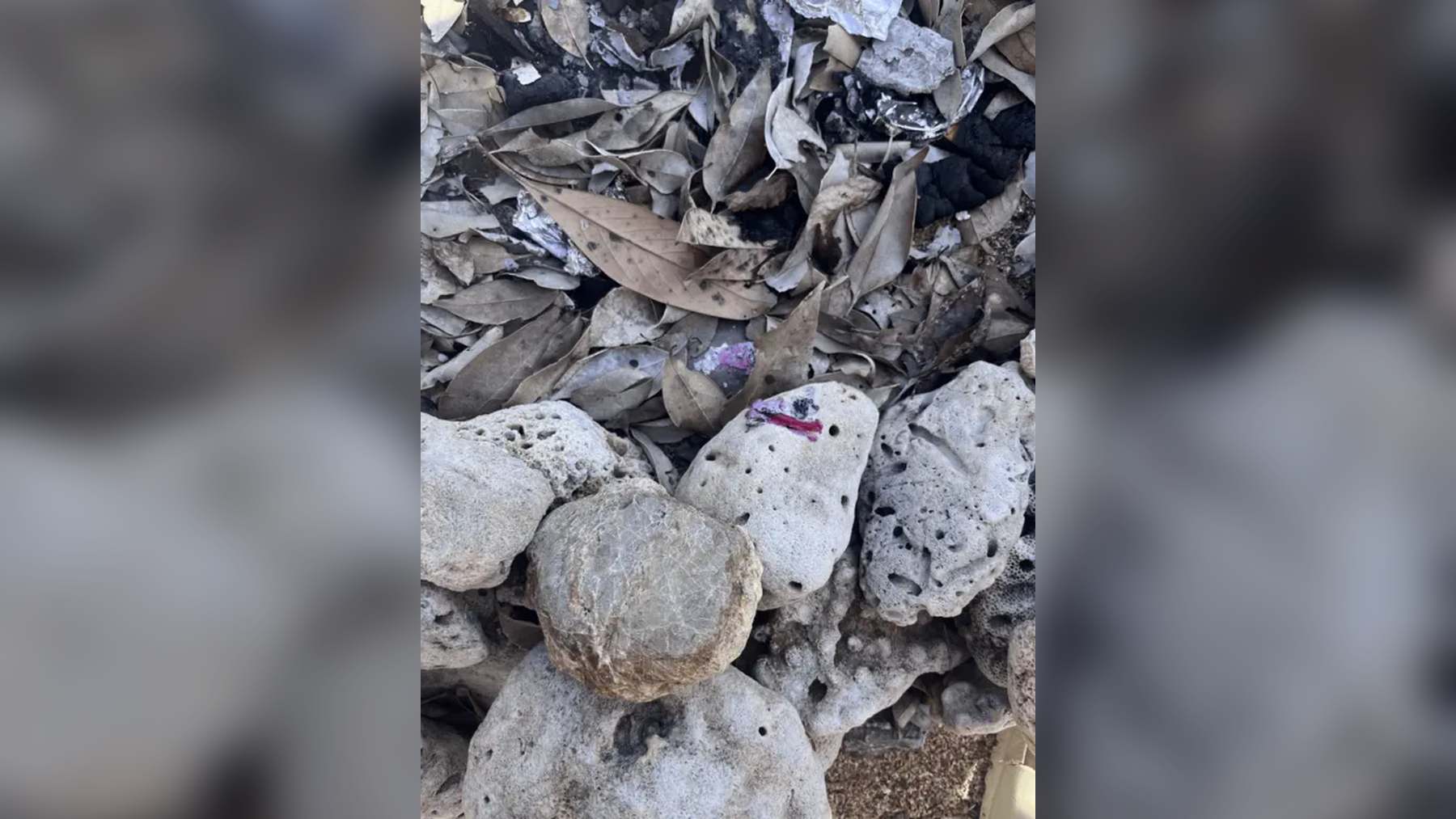
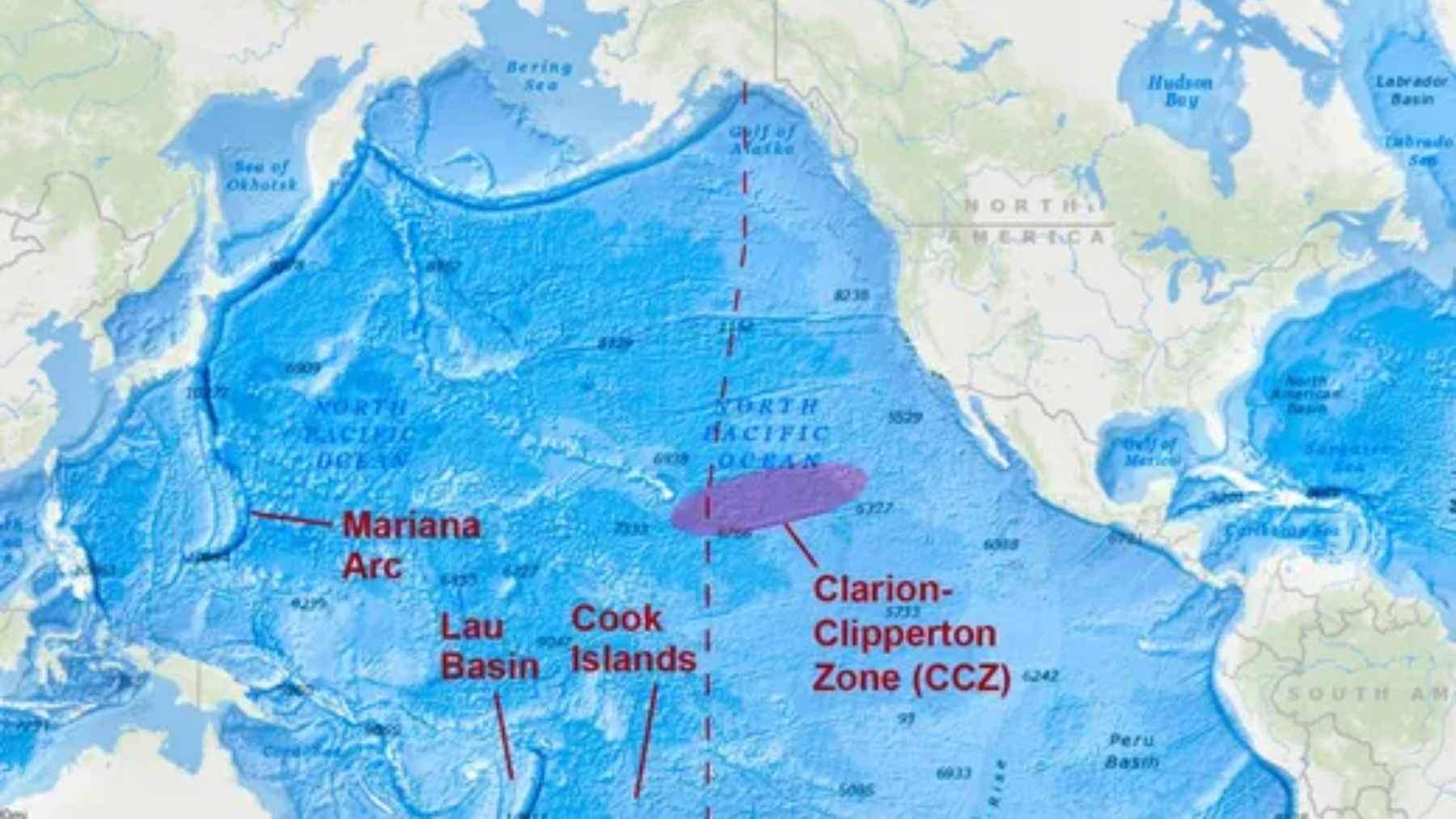
That finding matters because the target zone is not empty mud. The Clarion-Clipperton Zone, between Mexico and Hawaii, is a huge abyssal plain, meaning a flat, extremely deep part of the ocean floor. It is covered in potato-sized polymetallic nodules, metal-rich lumps that also serve as habitat for small animals most people will never see.
What the mining test found
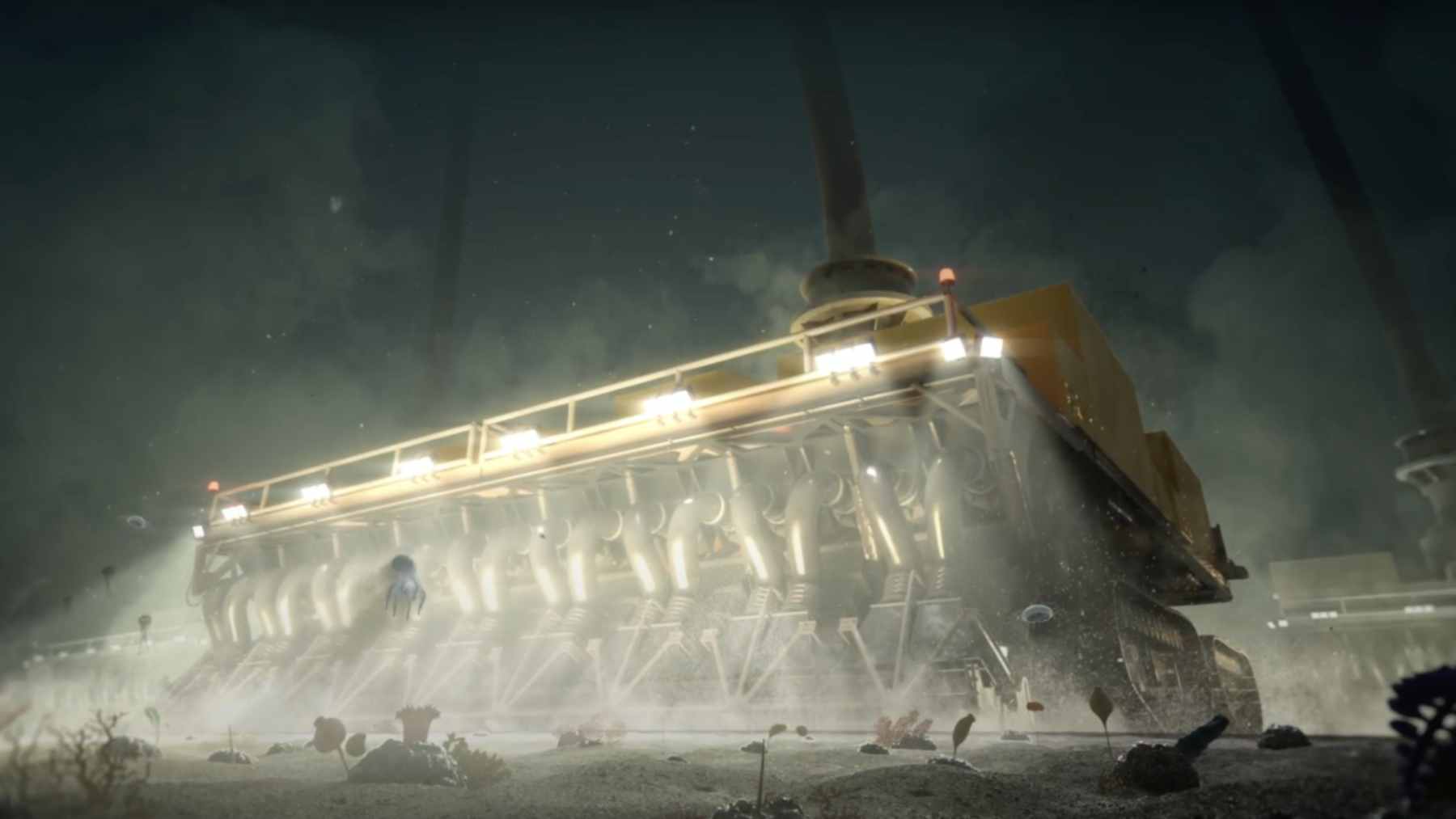
The 2022 collector test was carried out by Nauru Ocean Resources, a subsidiary of The Metals Company, together with Allseas. It took place about 2.7 miles below the ocean surface, recovered more than 3,300 U.S. tons of polymetallic nodules, and crossed roughly 50 miles of abyssal seafloor in a test field about 1.2 miles by 2.5 miles.
The biggest change was inside the tracks left by the machine. Macrofauna, a word scientists use for small animals visible to the naked eye, became less dense there, while species richness also dropped. In plain terms, fewer animals were found, and fewer kinds of animals appeared in each sample.
Why the seafloor is not empty
From a distance, the deep seafloor can look like a quiet plain of gray sediment. Look closer, though, and it becomes a living neighborhood, with worms, crustaceans, snails, clams, tiny sea spiders, and other creatures tucked into the upper layers of mud.
Researchers sorted 4,350 animals from sediment samples and identified 788 species. Their models suggest the area may contain between 1,148 and 1,391 macrofaunal species, many of them still without formal scientific names. That is a lot of life in a place that, to most of us, might look like nothing at all.
How scientists measured the damage
The research was led by Eva C. D. Stewart, with senior author Adrian G. Glover and collaborators from the Natural History Museum, the University of Southampton, the University of Gothenburg, and the National Oceanography Centre. Stewart said the work shows researchers finally have “good data” on what a modern commercial deep-sea mining machine might do.
The project took five years, more than 160 days at sea, and years of lab work. To make sure samples came from the machine tracks, scientists used a remotely operated vehicle launched from a ship about 2.5 miles above the seafloor. That is patient work in a place where one wrong sample can blur the whole picture.
The sediment plume question
The study also looked at the sediment plume, the cloud of particles stirred up by the mining machine. Think of dust behind a truck on a dirt road, except this cloud moves through cold, dark water and can settle back over animals on the seafloor.
About 1,300 feet from the track, the team did not detect a clear drop in animal abundance. But the community changed in another way, with some species becoming more dominant than others. Same head count, different winners and losers.
A new coral on metal-rich nodules
One discovery adds another wrinkle to the story. A separate taxonomic study described Deltocyathus zoemetallicus, a solitary coral found attached to polymetallic nodules in the same broad region of the Pacific. Its name points, fittingly, to life and metal.
For animals like that, nodules are not just rocks waiting to be collected. They are hard surfaces in a world of soft sediment, more like tiny apartment blocks than loose pebbles. Remove the nodules, and some species may lose the place they need to hold on.
Who sets the rules?
In international waters, deep-sea mining is regulated by the International Seabed Authority, a United Nations-linked body that oversees mineral activities in the Area, the legal name for seabed beyond national jurisdiction. Its rules require environmental impact assessments and baseline studies so regulators can tell the difference between mining damage and natural change.
That sounds procedural, but it is not just paperwork. Without baseline data, a mining track can look like a scar and still leave scientists arguing over what was there before. The new study helps fill that gap, but it also shows how much remains unknown.
Why recovery may be slow
Earlier research on a 1979 mining test found that physical changes in the seafloor were still visible 44 years later. Some animals had returned, but several communities remained altered, especially where nodules had been removed or the seabed had been directly disturbed.
That is why scientists are cautious. This is not like traffic noise fading after rush hour or exhaust clearing after a windy day. In the abyss, the clock runs differently, and recovery can stretch beyond a human career.
What comes next
The new work does not answer every question about deep-sea mining, and it does not show that every future operation would have identical effects. What it does provide is rare, measured evidence from a modern collector test, which is exactly the kind of evidence regulators need before commercial decisions move ahead.
At the end of the day, the issue is not only whether the metals are useful. They clearly are. The harder question is whether society can gather them without damaging ecosystems it has barely begun to understand.
The main study has been published in Nature Ecology & Evolution.