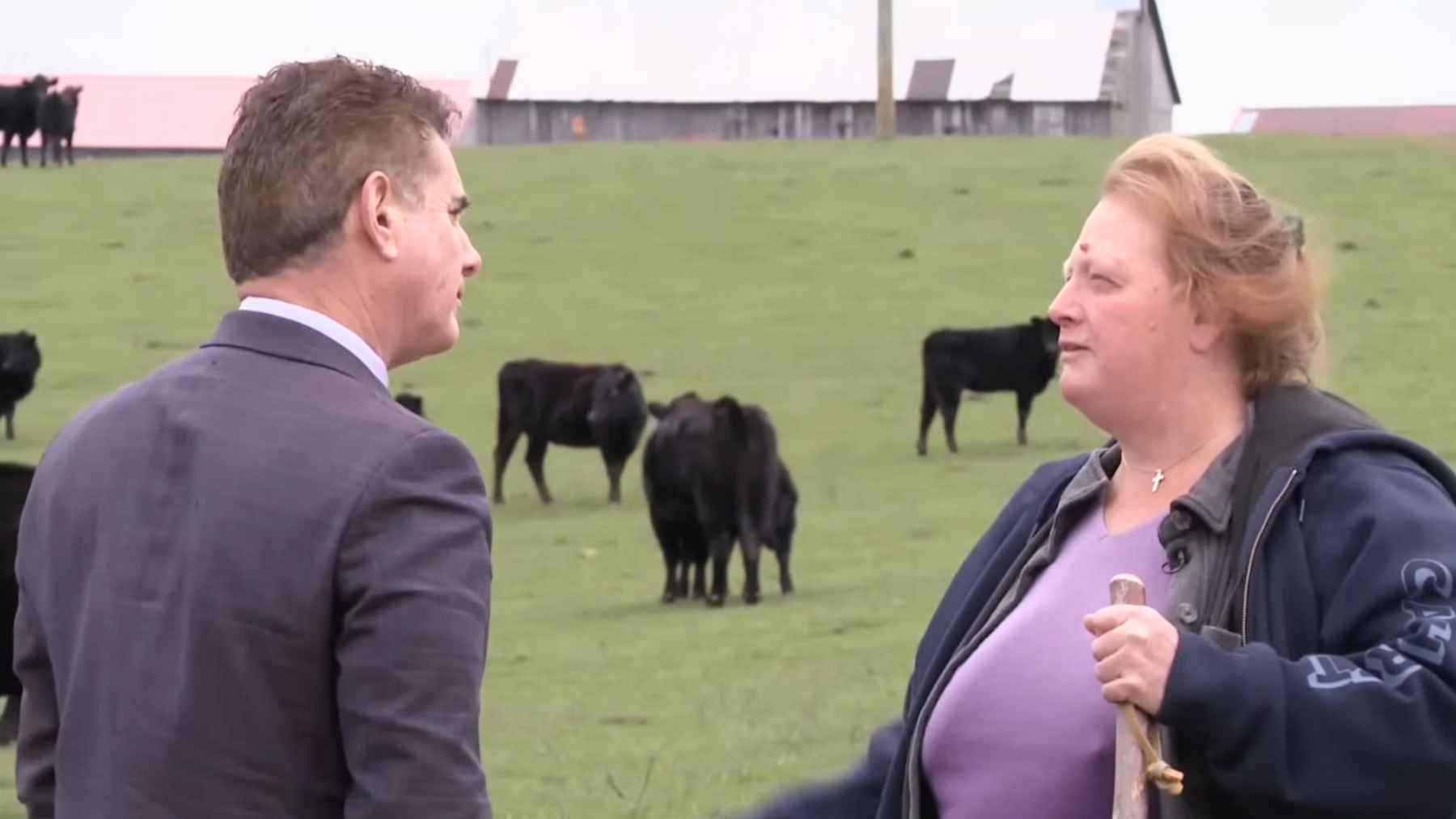
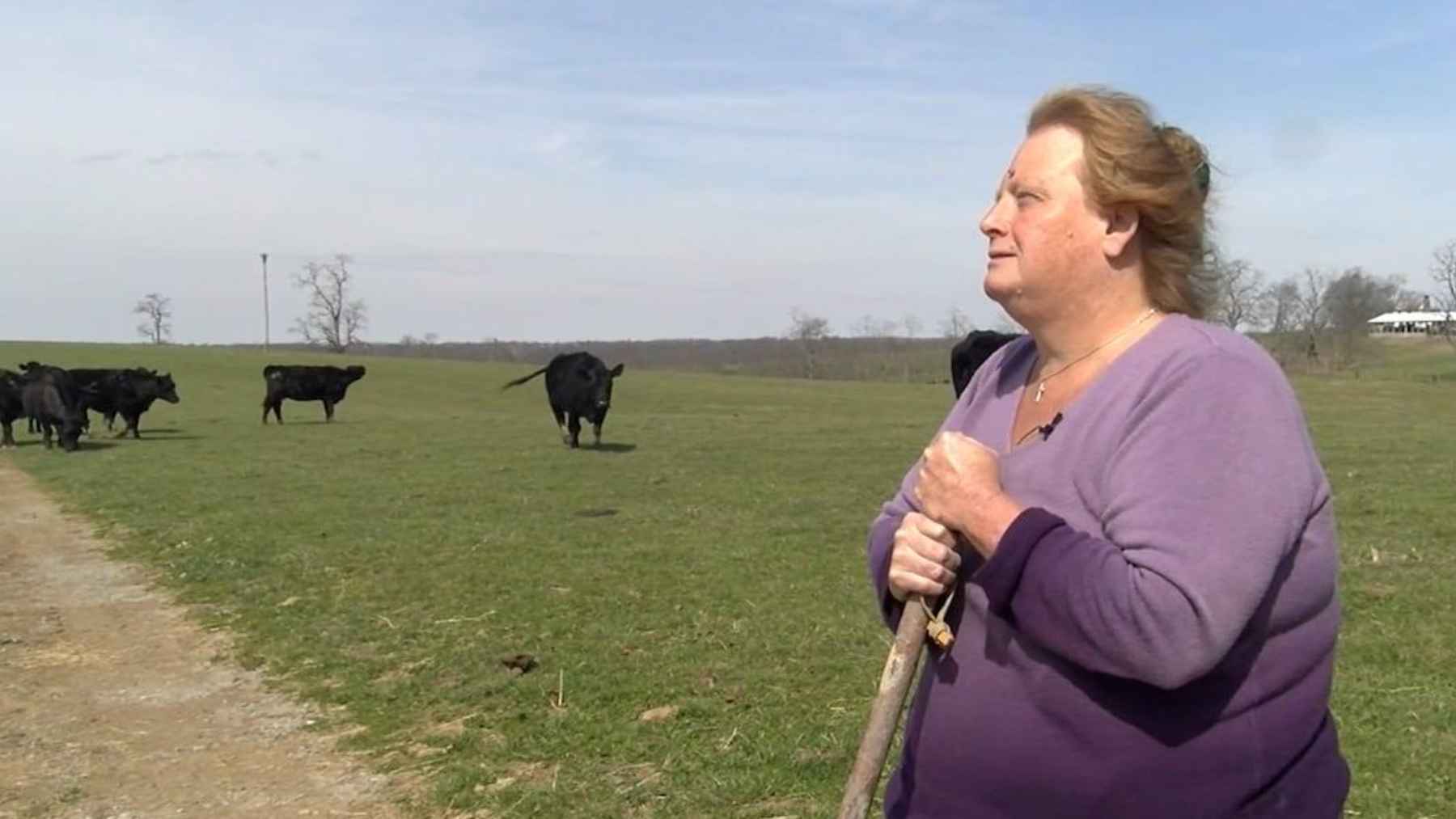
A Kentucky mother and daughter are refusing to sell family farmland for a proposed data center project, even after offers topping $26 million. Ida Huddleston, 82, and her daughter Delsia Bare say the land near Maysville is not just property. It is home, food, history, and a working farm.
The dispute now sits at the center of a larger question spreading across rural America. What is a farm worth when the buyer needs land, power, and water for the AI economy? In Mason County, officials are weighing a proposal tied to 28 properties and roughly 2,080 acres, about 3.25 square miles, while residents ask what happens when digital growth lands next to crops, cattle, and family homes.
A farm not for sale
Huddleston was offered $60,000 an acre for her 71-acre property, while Bare declined a $48,000-an-acre offer for her 463-acre farm, according to LEX18. Together, those offers add up to more than $26 million, a figure most families would struggle to ignore.
But Huddleston’s answer has stayed plain. “I don’t want your money, I don’t need your money,” she told LEX 18, later adding, “I’m staying put.” Bare has also raised concerns that the company behind the project has not been publicly identified, saying that secrecy matters when people are deciding “what you’re going to do with the rest of your life.”
The family’s land is part of a 1,200-acre Mason County farm that has been worked for generations. For them, the offer is not just a business deal. It is a request to trade soil, cattle, memories, and future harvests for a one-time check.
Why data centers want rural land
The proposed project is not a small server room tucked behind an office park. Application materials described a hyperscale campus near Big Pond Pike, Germantown Road, and Valley Pike Road, with six data center buildings, mechanical yards, substations, water tanks, storm ponds, and other infrastructure. The total site area is listed at about 2,080 acres, with roughly 1,350 acres, or about 2.1 square miles, expected to be disturbed.
That size helps explain why rural land is becoming so attractive. Data centers need space, high-capacity power, cooling systems, and utility connections. The U.S. Department of Energy says data centers used about 4.4 percent of total U.S. electricity in 2023 and could rise to between 6.7 and 12 percent by 2028.
In everyday terms, the “cloud” is not really floating anywhere. It sits in big buildings full of equipment that runs hot, pulls power, and must be cooled around the clock. For neighbors, that can mean questions about construction traffic, noise, backup systems, grid upgrades, and yes, the electric bill.
Food, water, and trust
Water is one of the biggest concerns for residents who live near proposed data centers. The Environmental Protection Agency says developers should engage early with local water utilities, examine how demand could affect supply and rates, and consider cooling systems that reduce the need for potable water.
The Mason County application says the project would use a “closed-loop” liquid-cooled system that recirculates fluid and would consume “zero water for cooling during normal operations.” It also says water would come from the Western Mason Water District and the City of Maysville.
That detail matters. But it does not erase every concern. Closed-loop systems can reduce water demand, but residents still want clear answers about construction needs, emergency operations, long-term monitoring, and who verifies the numbers once the buildings are running.
Farmland is already shrinking
The local fight also lands in a national pattern. The USDA’s 2022 Census of Agriculture found that the United States had about 1.9 million farms and 880 million acres of farmland, down 20.1 million acres from 2017. That farmland still made up 39 percent of all U.S. land, but the direction was clear.
Kentucky is seeing the same kind of pressure. State agriculture officials said Kentucky’s farm count fell from 75,966 in 2017 to 69,425 in 2022, while agricultural acreage dropped from 13 million acres to 12.4 million acres.
Against that backdrop, Huddleston and Bare’s refusal becomes more than a family story. It is a reminder that farmland is not easily replaced. Once fertile ground is paved, graded, or wired into an industrial campus, it cannot be unplugged like a server rack.
Jobs versus permanence
Supporters frame the project as an economic engine. An economic development official previously said the data center could create 400 full-time jobs and more than 1,500 construction jobs, making it one of Mason County’s largest employers.
But project materials later described roughly 300 badge-in workers, including about 100 full-time employees, with construction expected to begin in summer 2027. That gap is exactly why some residents remain cautious. Big job numbers sound good, especially in a rural county, but people want to know which jobs are permanent, who gets them, and what the community gives up in return.
At the end of the day, this is not a simple fight between technology and tradition. It is about whether the benefits of a data center can outweigh the permanent conversion of working land. For a family that sees the farm as a living inheritance, the math still does not add up.
What happens next?
The official zoning process is still moving. The City of Maysville’s data center information page says the Mason County Fiscal Court held a first reading on May 12, 2026, and scheduled a special meeting for May 22, 2026, for a second reading and consideration of the ordinance.
At that meeting, proponents and opponents are expected to make argument-style presentations, with each side allotted 30 minutes. That may sound procedural, but for nearby families it is anything but abstract. It is about land, water, power, and the future shape of a rural community.
For now, Huddleston and Bare have made their position clear. No amount of money, even $26 million, has persuaded them to walk away from the farm.
The official zoning update was published on the City of Maysville Data Center Zoning Public Information Page.