If you’ve ever held a smartphone, ridden in an electric car, or stood near a wind turbine, you’ve already touched the story of rare earths. This week, China’s Ministry of Natural Resources said surveys in Sichuan confirmed a major new trove of rare earth oxides, plus two other minerals that quietly keep modern industry humming. All ton figures below are U.S. short tons, converted from metric figures in the original announcements.
The headline is about supply and geopolitics, but the real takeaway is environmental. Every new mine can help electrification move faster, yet it can also leave a heavy footprint in water, soil, and waste. That tension is now front and center again.
What China says it found in Sichuan
According to Xinhua, the Maoniuping mining area in Mianning County confirmed a newly identified rare earth oxide resource of about 10.7 million tons. The same announcement described “super-large-scale” deposits of fluorite at roughly 29.9 million tons and barite at about 41.0 million tons.
Other reporting, also citing China’s Ministry of Natural Resources, says the additional rare earth oxides raise Maoniuping’s total proven reserves to roughly 11.5 million tons. That would make it the world’s second-largest in-production source of light rare earth elements, behind Bayan Obo in Inner Mongolia.
This isn’t just a Sichuan story, either. Industry reporting tied to the same national exploration push also points to an antimony resource verification in Gansu Province totaling about 56,700 tons of antimony.
Why these minerals matter in everyday life
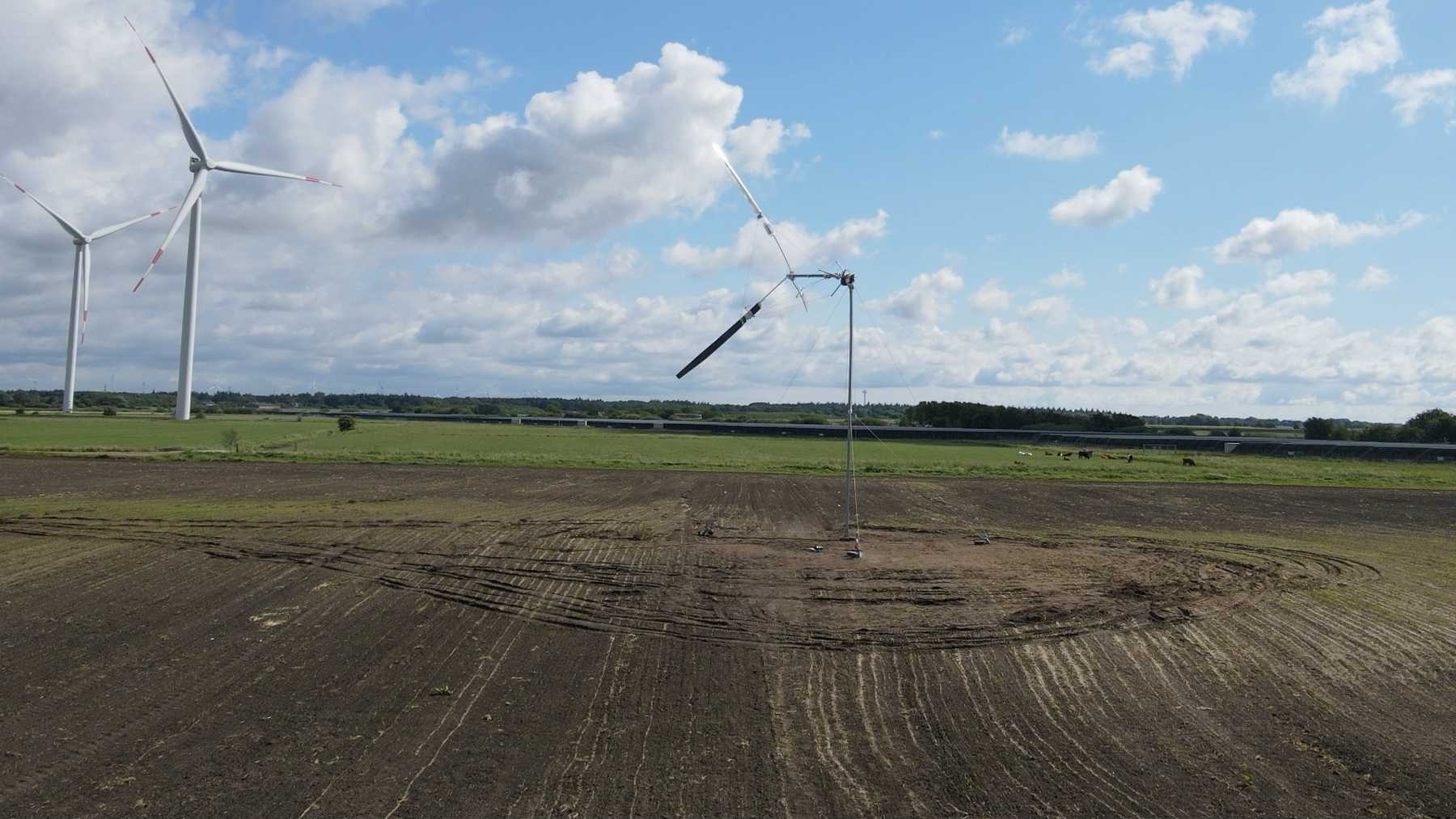
Rare earths are a group of 17 elements used in technologies that feel ordinary now, from earbuds to MRI machines, but many of the most critical uses are in permanent magnets. The International Energy Agency has noted that over 90 percent of today’s electric vehicles use permanent-magnet motors, and those motors can contain up to about 2.2 pounds of rare earth elements.
Fluorite and barite are less famous, yet they show up everywhere. Fluorite is tied to industrial chemistry used in sectors like electronics, while barite’s biggest use is in oil and gas drilling to help stabilize wells.
Wang Denghong, a director at the Chinese Academy of Geological Sciences, framed it with a simple metaphor, saying “If rare earths are the ‘vitamins of industry,’ then fluorite and barite are the essential foundations and pillars of industry.” It’s the kind of line that sticks because it captures how dependent modern manufacturing has become on a few unglamorous minerals.
A supply chain shaped by geology and policy
In its February 2026 Mineral Commodity Summaries, the U.S. Geological Survey estimated global rare earth reserves at more than 93.7 million tons, with China at about 48.5 million tons. On production, the USGS estimated global mine output around 429,900 tons in 2025, with China at about 297,600 tons and the United States around 56,200 tons.
Those numbers matter because the rare earth supply chain is not just mining, it is also separation, refining, and magnet making. The IEA and other analysts have repeatedly flagged that China dominates key downstream steps, which is why a single policy change can ripple into EV production lines, wind turbine orders, and even defense procurement.
Policy has been moving fast. China’s Ministry of Commerce and customs authorities announced export controls on certain medium and heavy rare earth related items in April 2025, and the USGS noted later expansions and licensing changes that kept pressure on global buyers. For the most part, civilian trade can still move under licenses, but analysts have described defense-related flows as much harder to secure.
The environmental bill behind “green” minerals
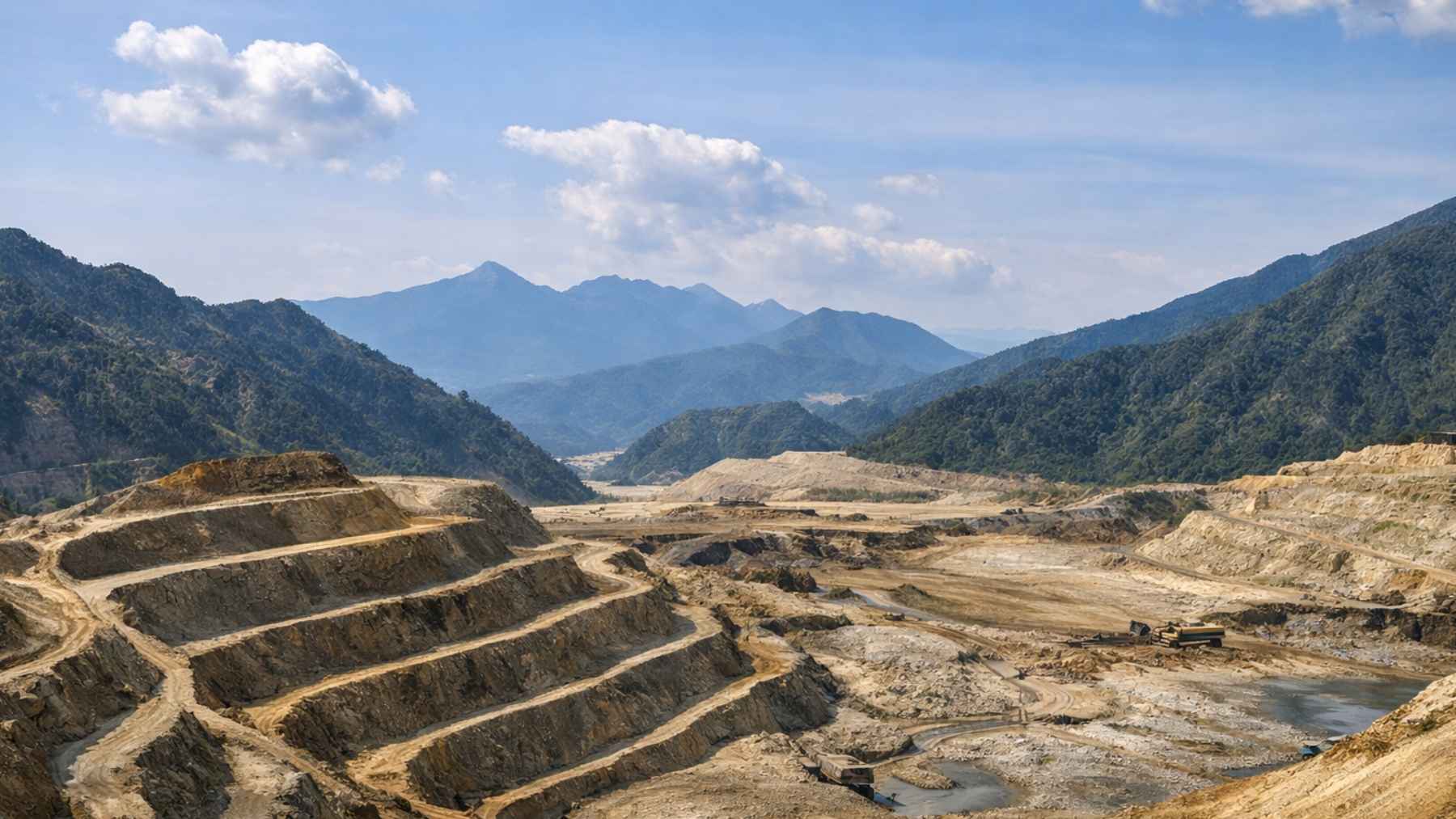
Rare earth mining and processing can be energy, water, and chemical intensive, with risks that range from acidic waste to heavy metals and, in some deposits, radioactive byproducts linked to thorium or uranium. That does not mean every project will be equally damaging, but it does mean environmental controls and monitoring are not optional extras.
Life cycle assessment research suggests the environmental burdens of primary rare earth production can be significant, especially when waste management and emissions controls are weak. If you’ve ever seen a river turn cloudy near a mine site, you already understand why local communities watch these projects closely.
There is also a climate irony hiding in the Maoniuping news. The same mineral package that supports wind turbines and EV motors also includes barite, which supports oil and gas drilling, and one industry quote put it bluntly, saying “Without baryte, oil and gas exploration and production would grind to a halt.” So what does “good news” look like when the minerals can speed up both decarbonization and drilling?
What a more sustainable path could look like
The cleanest ton of rare earths is the one you do not have to mine, and that brings recycling into the spotlight. The USGS says only limited quantities of rare earths are recovered from batteries, permanent magnets, and fluorescent lamps, and the IEA has warned that magnet recycling pathways have historically been limited.
Design also matters. When magnets are glued deep inside motors or hard-to-open devices, the economics of recovery fall apart, and those old phones sitting in a kitchen drawer stay “waste” instead of becoming feedstock. More take-back programs, easier disassembly, and scaling up recycling technology would all reduce the pressure to open new mines.
At the end of the day, Maoniuping is a reminder that the energy transition is physical, and the raw materials have real landscapes attached to them. If countries want cleaner air and quieter streets with fewer exhaust fumes, they also have to demand cleaner mining, clearer disclosure, and smarter reuse so the solution does not become the next environmental headache.