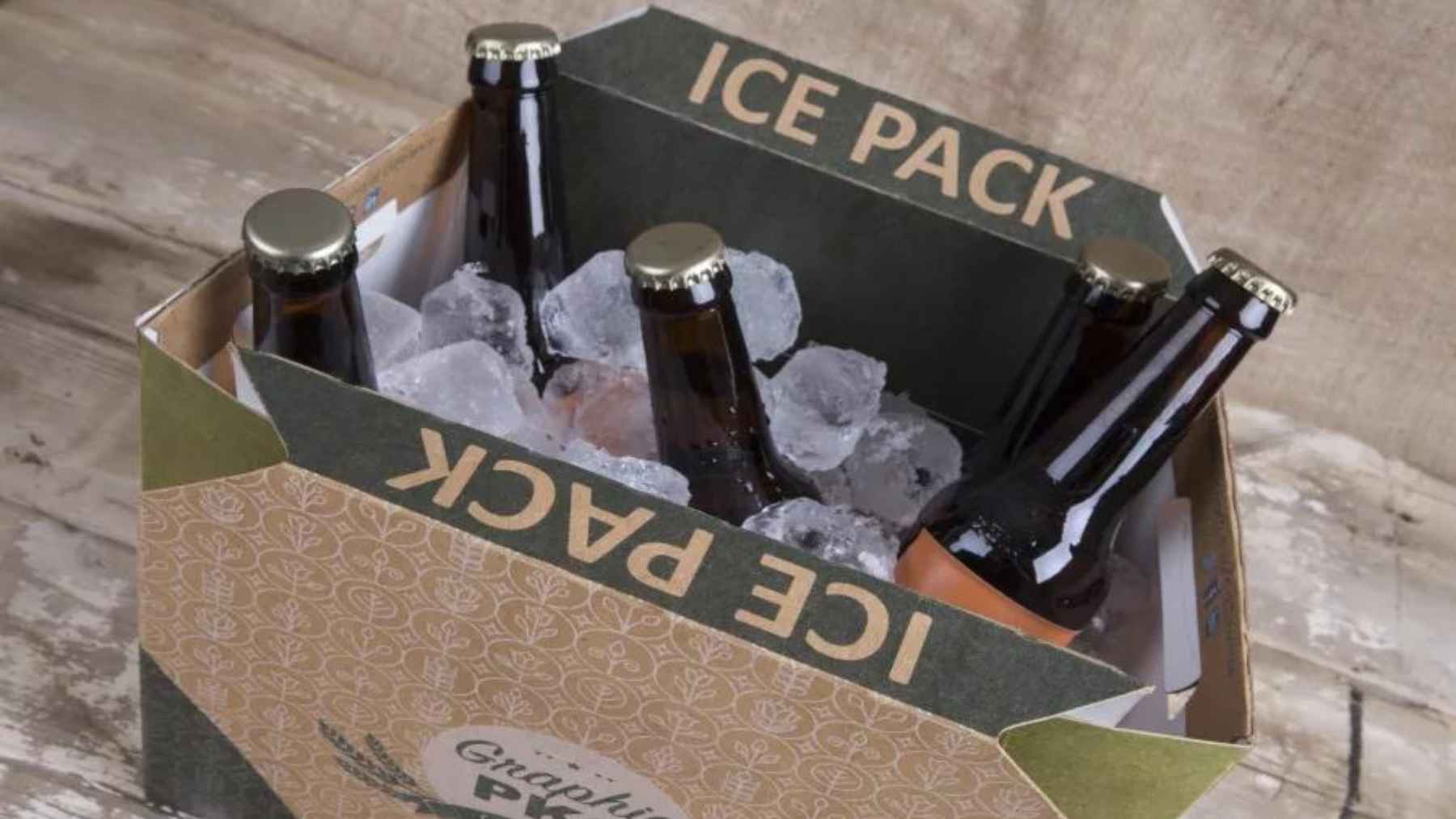
A Brazilian entrepreneur has turned a familiar party problem into a fast-growing product, a recyclable cardboard cooler that keeps drinks cold for up to six hours and is already moving about 40,000 units a month. The product, sold as Caixa Cooler, was built for people who buy cold drinks and then realize they have no clean, practical way to keep them that way.
The idea sounds almost too simple. But for anyone who has put melting ice in a foam box, watched water run through the car trunk, or tried to balance cans and bottles on the way to a barbecue, the appeal is obvious.
A beer-run problem
Lucas Amato, an entrepreneur from Uberaba in the Brazilian state of Minas Gerais, noticed the same thing again and again at beverage distributors. People bought cold beer, but many forgot their cooler at home, had no foam container nearby, or could not fit one in the car without creating a mess.
“I wanted to solve that practical issue for the customer,” Amato said in in a Pequenas Empresas & Grandes Negócios report. The answer became a disposable but reusable cardboard cooler with a reinforced structure and an internal thermal lining.
A box that keeps its shape
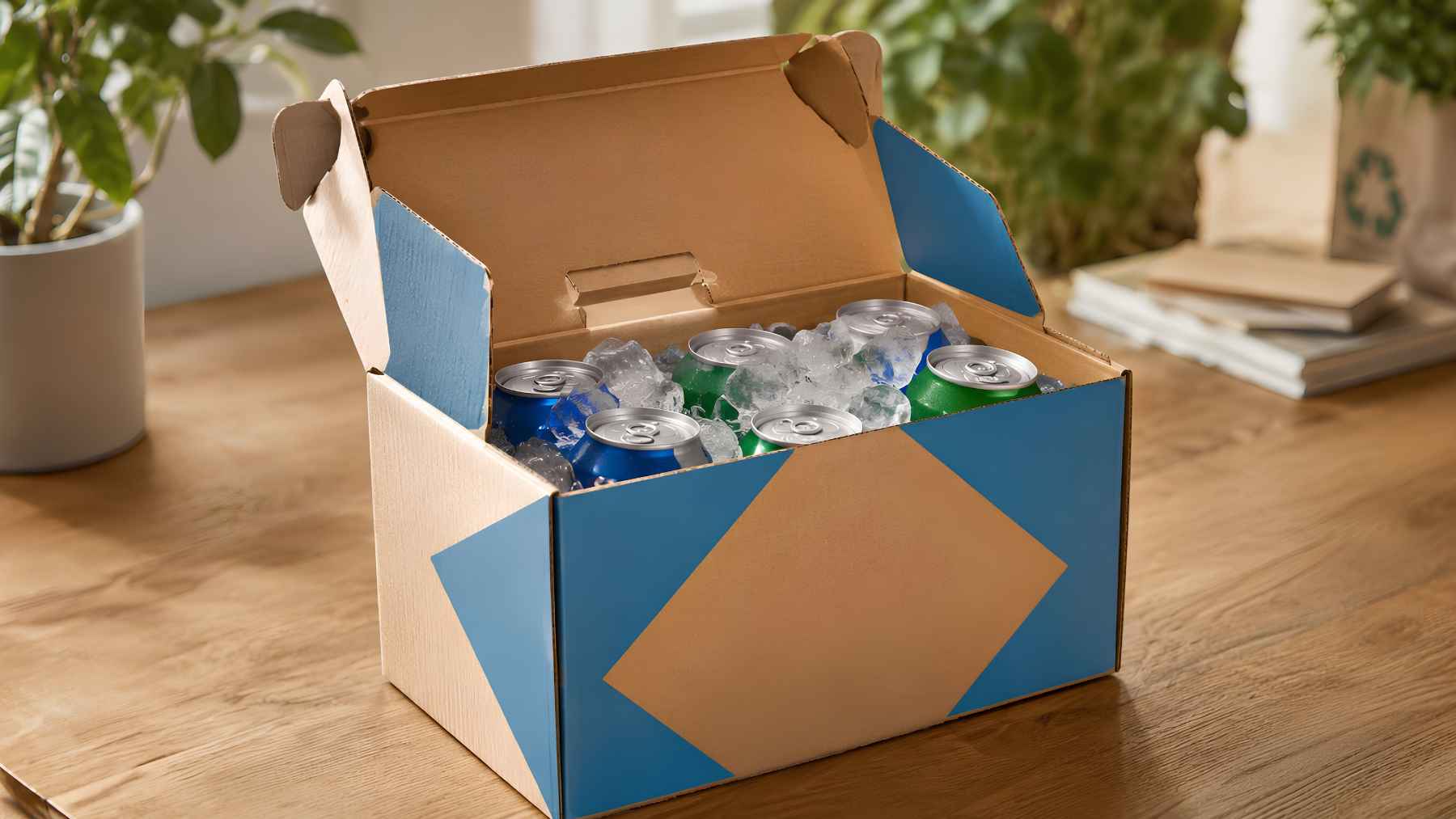
The main version holds about four U.S. gallons, enough for 12 standard cans or 12 long-neck bottles, plus about 5.5 pounds of ice. The company’s own product page says the cooler is designed not to leak, to stay cold for six hours, and to carry up to about 20 pounds.
Cardboard may sound like the last material you would trust with melting ice. That is where the waterproof internal coating matters, since it works as a barrier between the wet ice and the paperboard structure.
The company also describes the material as recyclable and says the box is made with improved cardboard that traps small pockets of air. In practical terms, that means the same everyday idea behind many insulated containers, only packaged in a lighter and lower-cost format.
21 tests before the launch
The final box did not come together in one lucky sketch. Amato spent about nine months testing different sizes, cardboard thicknesses, sealing materials, and structural choices before landing on the working version.
There were 21 tests along the way. Some versions failed because the cardboard could not handle the weight of the ice, while others started leaking after only a couple of hours.
The company started with an investment of about $12,000, based on mid-May 2026 exchange data from the Federal Reserve Bank of St. Louis. Monthly revenue is reported at around $5,900, while production now reaches about 40,000 boxes per month.
Why foam is the target
Expanded polystyrene foam, commonly called Styrofoam in everyday speech, has long been popular because it is cheap, light, and good at holding temperature. That is why it shows up at beaches, picnics, delivery counters, and backyard parties.
But the same qualities also make it difficult waste. New York environmental officials say polystyrene foam is lightweight, breaks apart easily, does not readily biodegrade, and is not accepted in most recycling programs in the state because it is difficult to recycle and has low value.
That does not mean cardboard coolers will erase foam overnight. The real test is whether people, stores, and delivery businesses see enough convenience in the alternative to change a habit that has been around for decades.
Uses Amato did not expect
The product was created mainly for cold drinks, but customers quickly found other uses. They have used the cooler to carry meat for barbecues, vegetables from markets, popsicles for events, and even ornamental fish that need a steadier temperature during transport.
That matters for food businesses too. Leonel Paim, vice president of the São Paulo branch of the Brazilian Association of Bars and Restaurants, has said the product could help restaurants raise the average order value by making it easier to send cold drinks along with meals.
Think about delivery for a moment. A burger, a side dish, and a cold beer sound simple, but without the right package, the drink warms up, the ice leaks, and the customer notices.
From local idea to broader market
The operation has already moved beyond its starting point in Minas Gerais. Production is based in São José do Rio Pardo, in the state of São Paulo, while distribution operates from Uberaba.
Part of the sales already happens outside Brazil, although the company has not detailed which countries are buying or how much of the revenue comes from exports. Still, the problem it solves is hardly local, since people everywhere carry drinks through traffic, heat, noise, and crowded trunks.
The next step is customization. Beverage brands, supermarkets, and event organizers could print logos on the box, turning a simple cooler into a small moving billboard.
A practical fight against messy waste
The most interesting part of Caixa Cooler is not that it is complicated. It is that it tries to beat foam at the exact place where people make the choice, the checkout counter, the delivery order, the beach trip, or the last-minute barbecue run.
A product like this still depends on real-world behavior. It has to be reused when possible, recycled correctly at the end, and priced low enough that stores will actually stock it.
For now, though, Amato’s cardboard cooler has done something many “green” products struggle to do. It started by solving a practical nuisance first, then made sustainability part of the same package.
The main report has been published in Pequenas Empresas & Grandes Negócios on G1.