What if the next big “mining tool” is not a drill or a laser, but a living organism the size of a speck of dust? A new experiment on the International Space Station suggests that idea is not science fiction anymore, at least in early proof of concept form.
Researchers used a fungus and a bacterium to pull valuable metals, including palladium and platinum, out of meteorite material while orbiting above Earth.
The headline is space exploration, but the subtext is sustainability. Palladium and platinum are tied to technologies that cut pollution and support major industries, yet getting them often comes with a heavy environmental footprint.
The latest results hint that “biomining” could someday reduce the need for harsh chemicals and make resource use more efficient, both for future missions and potentially for cleaner extraction strategies on Earth.
What BioAsteroid did in orbit
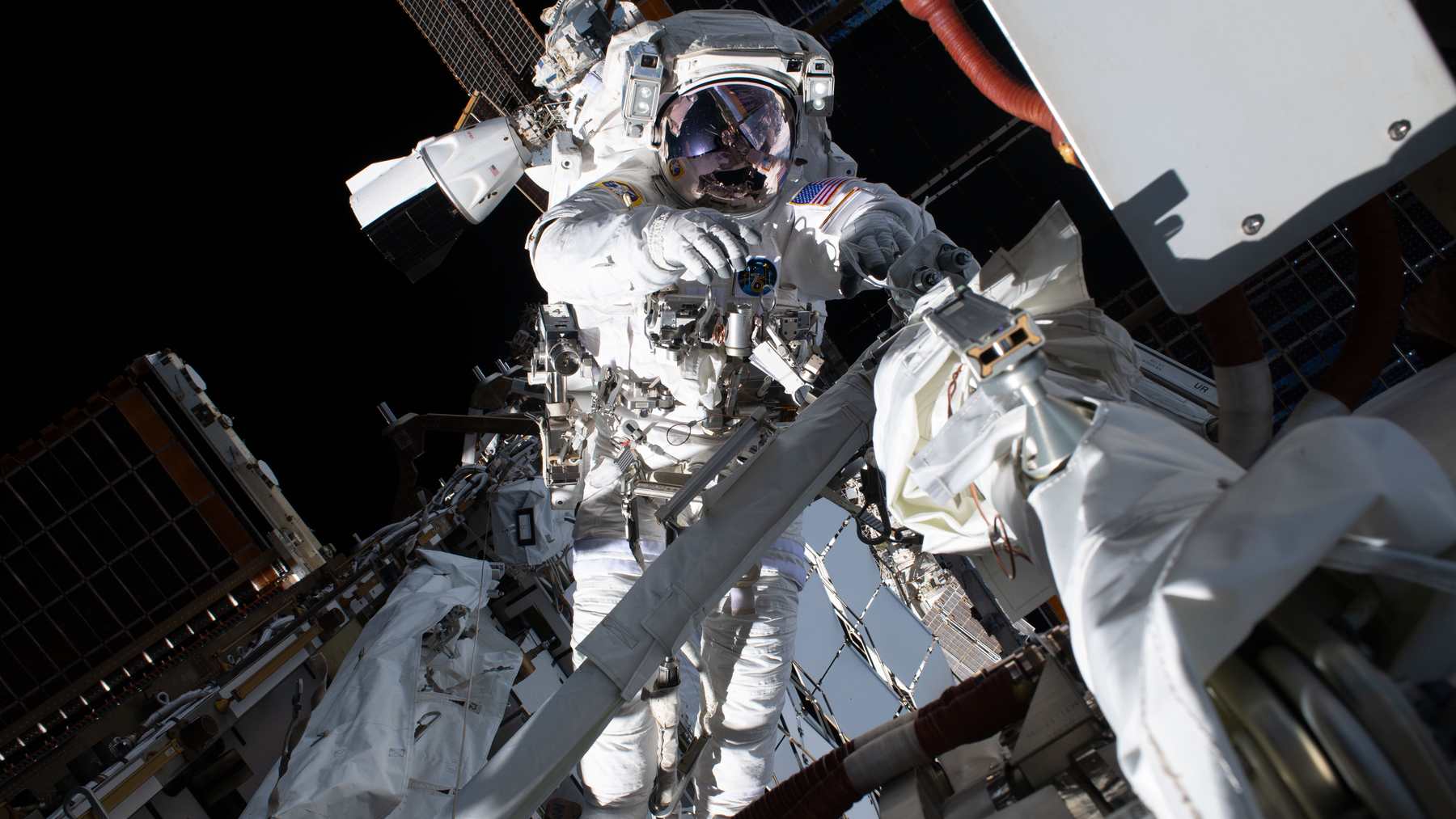
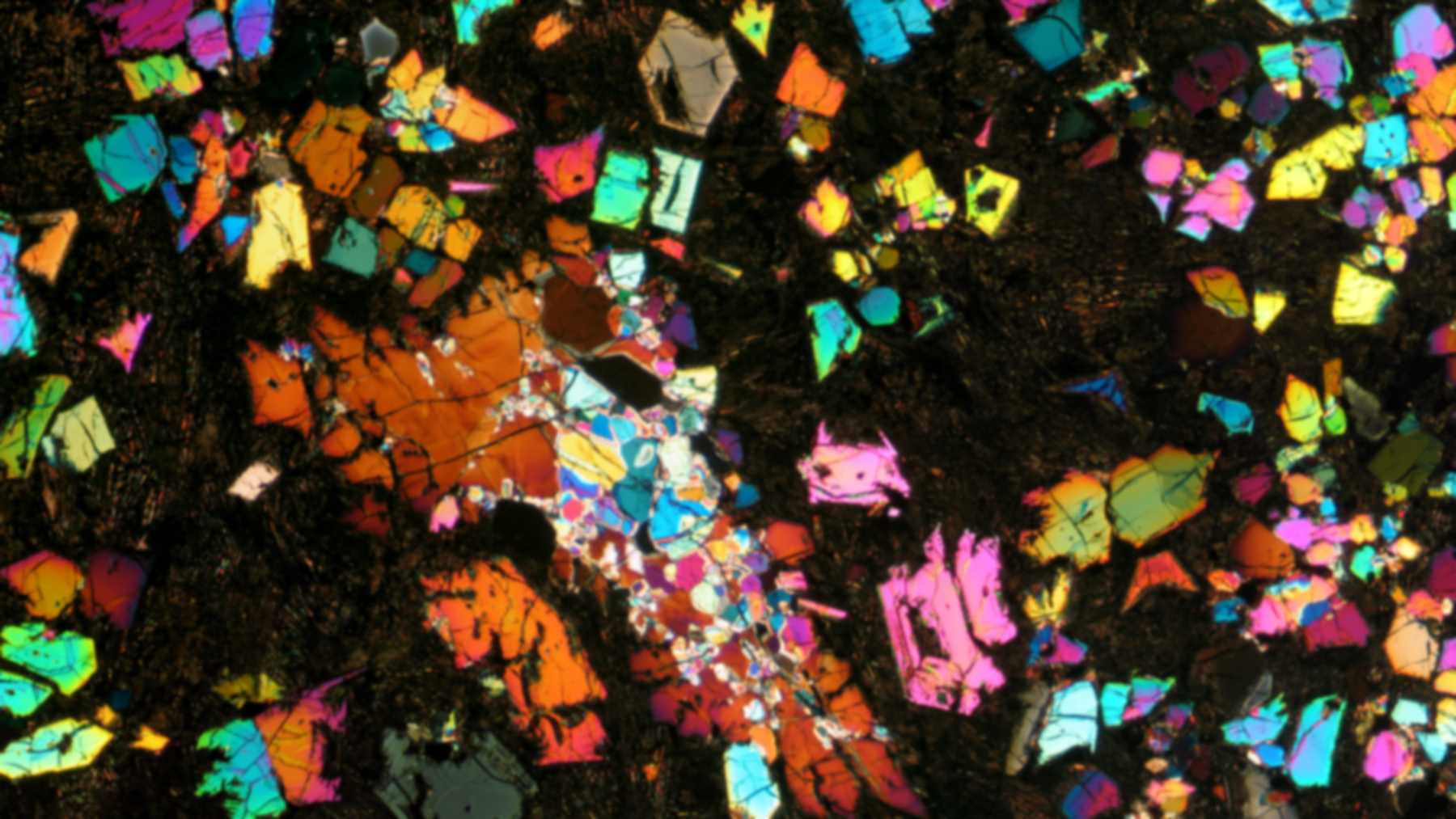
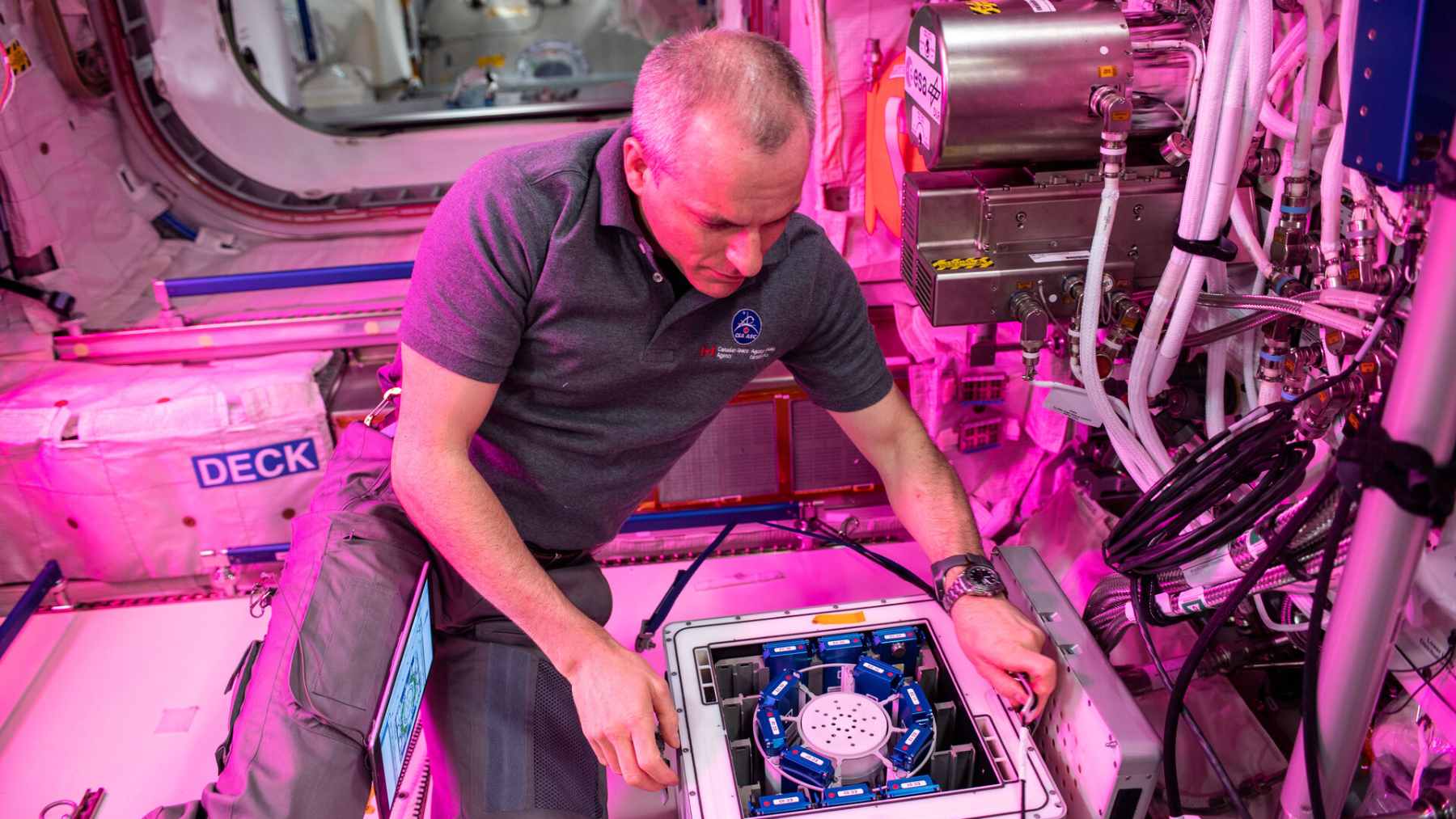
The project is called BioAsteroid, and it ran aboard the International Space Station with NASA astronaut Michael Scott Hopkins handling crew tasks for the flight experiment. The team worked with a common meteorite type known as an L-chondrite, using small reactors installed in ESA’s KUBIK incubators to compare microgravity conditions with matched tests on Earth.
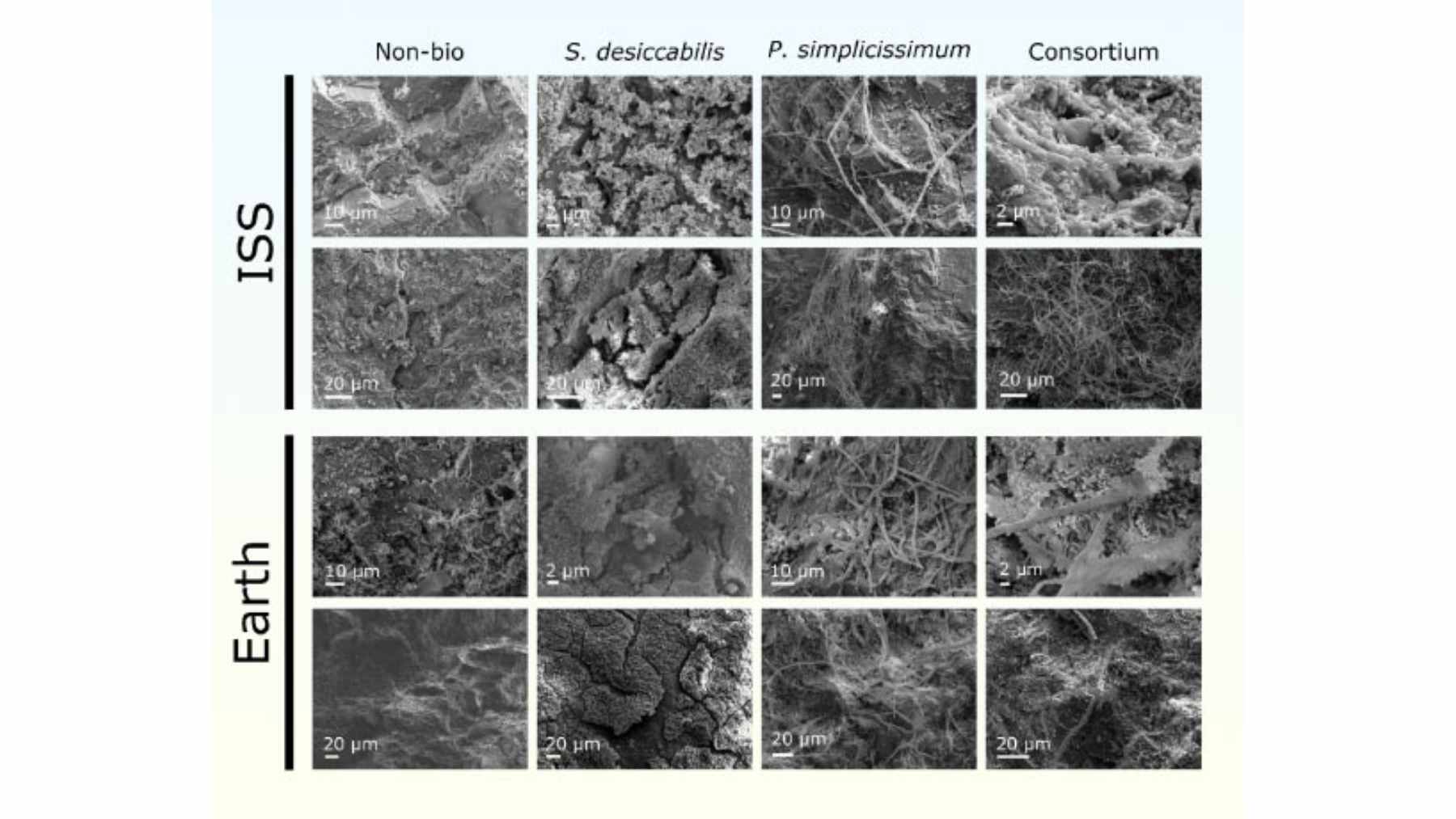
Instead of machines, BioAsteroid relied on microorganisms, specifically the bacterium Sphingomonas desiccabilis and the fungus Penicillium simplicissimum, plus a mixed “consortium” of both and a non-biological control.
Scientists tracked 44 elements in the rock and reported that 18 were biologically extracted in the analysis, which helped them see where microbes made a measurable difference.
The clearest signal came from the fungus. In microgravity, P. simplicissimum enhanced the release of palladium, platinum, and other elements compared with non-biological leaching, while metabolomics showed its chemistry shifted in space. It is not a finished technology yet, but it is a real demonstration that microbes can “do the work” off Earth.
Why palladium and platinum show up in climate conversations
These metals are not just shiny curiosities for collectors. The U.S. Geological Survey notes that the leading domestic use for platinum group metals is in catalytic converters, which help decrease harmful emissions from automobiles.
If you have ever sat in a traffic jam breathing exhaust fumes, you have benefited from the quiet chemistry happening inside those devices.
Platinum group metals also show up all over modern life, from petroleum refining and bulk chemical production to electronics.
In federal critical mineral context, palladium is listed for uses including catalytic converters and electronics, while platinum is listed for catalytic converters and industrial processing, a reminder that supply disruptions can ripple into real-world costs and availability.
The numbers underline why researchers keep hunting for new supply and recovery options. In its 2026 Mineral Commodity Summary, the USGS estimates that about 50,000 kilograms of palladium (about 110,000 pounds) and 8,600 kilograms of platinum (about 19,000 pounds) were recovered from automobile catalytic converters in the United States in 2025, which is significant but still only part of the picture.
The same USGS sheet lists net import reliance at 57% for palladium and 89% for platinum, which helps explain why scientists care about alternatives like better recycling and, yes, even space-based resource use.
The trick is chemistry, not pickaxes
Biomining works because microbes can change rock chemistry in ways that free metal ions into a liquid solution. In BioAsteroid, the microbes are promising partly because they produce carboxylic acids, molecules that can bind to minerals through complexation and help spur release of elements from the solid rock.
The organism choice matters, and the team leaned into that uncertainty rather than pretending one microbe fits all. As Rosa Santomartino put it, “These are two completely different species, and they will extract different things,” which is exactly why the study compared a bacterium, a fungus, and a combined culture.
The researchers also ran metabolomic analysis of the liquid from the reactors to see which biomolecules the microbes produced under space conditions.
A simple way to picture it is this. Traditional mining is like smashing a locked box with a hammer, while biomining is more like coaxing the lock open with the right chemical key, slowly and selectively.
In microgravity, the fungus showed increased production of carboxylic acids and other molecules that may matter for biomining and even future biomanufacturing, which suggests space conditions can reshape microbial “toolkits.”
Microgravity makes some metals easier and others harder
Microgravity does not just change how astronauts float — it changes how liquids mix and how dissolved materials move around surfaces. The paper points to altered fluid dynamics in microgravity, including reduced convection, as a plausible reason dissolved elements can build up near the rock surface and shift how leaching behaves.
That shift is not one-directional. The researchers report that abiotic leaching in microgravity changed for 11 elements, with nine increasing under microgravity, including platinum, while two decreased.
Palladium is the attention-grabber here because abiotic palladium leaching was reported as 13.6-fold higher on Earth than in space, meaning microgravity can make “natural” leaching worse for certain targets.
This is where the fungus looked especially useful. The study says palladium extraction increased 5.5-fold relative to abiotic controls in microgravity, reaching 549.3 ± 234.4% of the non-biological control, even though variability remained high.
In practical terms, it suggests microbes may sometimes stabilize or boost yields when microgravity would otherwise undermine basic chemistry.
A sustainability lesson hiding in a space experiment
Mining on Earth has real ecological costs, and the impacts are not only at the pit itself. UNEP material on mine rehabilitation points to habitat destruction at mining and waste disposal sites, and broader assessments emphasize that waste like tailings can carry long-term environmental risk if poorly managed.
The BioAsteroid paper itself frames biomining as a way to accelerate element release while avoiding “environmentally damaging toxic compounds such as cyanides,” and it also points to the potential to exploit mine waste tailings. That matters because sustainability is not just about where we get metals, but how much damage we accept in the process.
Even if asteroid biomining never becomes a major supplier for Earth markets, the research can still pay off.
The University of Edinburgh notes these insights may support more sustainable biomining strategies on Earth and reduce environmental impact compared to conventional extraction, and the USGS continues to highlight how much value is already locked in scrap streams like old catalytic converters.
Think about it next time you see a junked car on a tow truck — it might be carrying a small pile of “critical” metals that we either recover cleanly or lose.
The hard questions ahead
The science is exciting, but scaling is a different beast. The paper stresses that successful biomining depends on the right combination of microorganism, rock substrate, and conditions, and the data show substantial variability, especially when you drill down element by element.
“We do not see massive differences, but there are some very interesting ones,” Alessandro Stirpe said, and that is a polite way of saying optimization is still on the to-do list.
There is also the economics question, which the authors do not dodge. The study notes uncertainties around the economic feasibility of asteroid mining, and even a perfect microbe still needs infrastructure, energy, and smart engineering to gather and process extraterrestrial rock safely. Microbes can help, but they cannot replace every step of the supply chain.
For now, the most realistic value may be supporting “in situ resource utilization,” meaning future crews on the Moon or Mars using local materials instead of hauling everything from Earth. That kind of self-sufficiency is the sustainability argument in its purest form, fewer launches, less resupply, and more careful use of what is already available.
The study was published in npj Microgravity.