America has decided for the first time in over seven decades to start a rare earth era of its own. The United States will be opening its own rare earth mine, which could signify energy independence for the U.S. This decision has been taken strategically so as to reshape the entire rare earth elements landscape. It will be the Brook Mine in Wyoming, which is spearheaded by Ramaco Resources, that will mean a cleaner energy era for America and will ensure that America maintains some power and regains control of a sector previously dominated by China.
Reviving the Wyoming Brook Mine
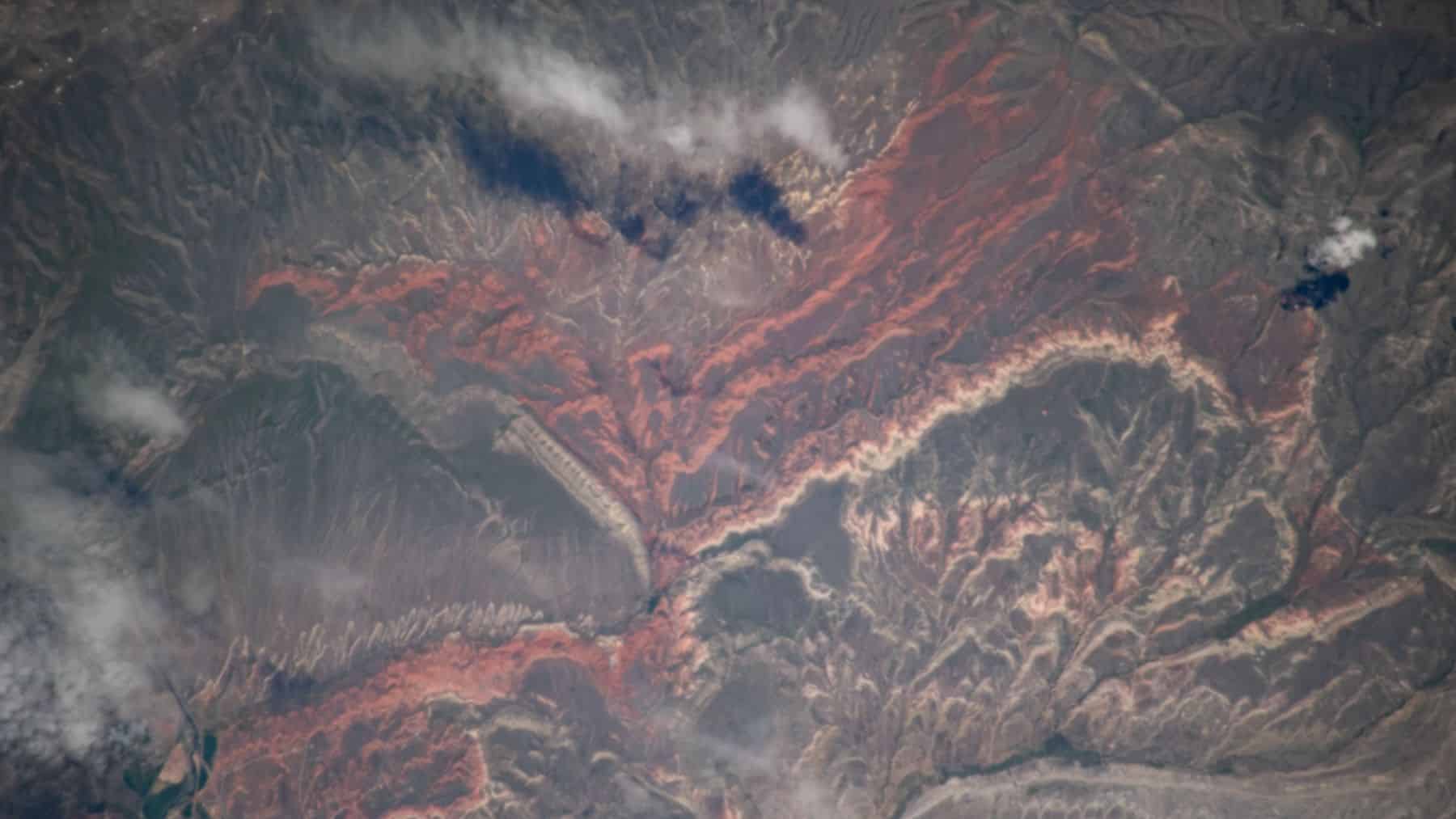
A ribbon-cutting ceremony on July 11, 2025, signified the revival of the Brook Mine in Wyoming and introduced the core beginnings of the Brook Mine Carbon Ore Rare Earth project. The revival of this mine signified the ability of America to re-enter the rare earth landscape. The coal mine is situated near Ranchester and is the first coal mine to be utilized for a rare earth project since the mid-20th century.
The leading force behind this project is Kentucky-based Ramaco Resources. Ramaco Resources aims to extract these rare earth elements (REEs) from coal directly. The mine with REE extraction alongside California’s Mountain Pass Mine will be one of the only operational rare earth facilities in the U.S. Thanks to a generous $6,1 million grant from Wyoming, a $533 million processing plant will be funded to ensure that REEs are gained for the various sectors that require these minerals.
National laboratories have stated that the Brook Mine reserve contains neodymium, praseodymium, dysprosium, terbium, scandium, gallium, and germanium, which are all waiting to be extracted.
Wyoming Brook Mine ending China’s dominance
While China held most control over rare earth discoveries during the last 10 years due to its abundant REE deposits and its easier environmental regulations, America is making discoveries of its own. Since 1980, America has lost its role as a global leader in the rare earth sector as stricter environmental laws have prevented the easy extraction of REEs.
With the Brook Mine, America wishes to regain global control of the REE sector. Ramaco is set on providing alternatives to reaching out to China for such elements. The project predicts that over 1,200 short tons of oxides will be produced yearly. This figure means a rather fair mineral boost for America.
As has been stated by Ramaco’s CEO, Randall Atkins, America is ready to reclaim its leadership in core minerals. Ramaco surely is proud to be leading the way forward with this project.
America’s decision emphasizes a critical moment
Mineral supply chains are ensured with the revival of this mine. America’s decision to revive Brook Mine was strategic as rare earths feature in literary every sector nowadays. If America cannot get its hands on rare earths, it will fall behind in terms of innovation and global competitiveness.
The decision was surely a way for America to regain control, but also a way for the country to tap into the mineral development initiative, which, at this stage, is much needed. The decision can only lead to economic growth for the country.
America is expanding its reach of REEs with its find of 2,630,000,000 tonnes, which is ensuring that America is leading the way in terms of global REE reserves.
The formation of an REE era in America
The Brook Mine Carbon Ore Rare Earth project surely is a strategic move and a well-thought-out plan as well. There is over 16,000 acres under America’s control, and it is expected that all mining operations will start within a few years.
Brook Mine could surely provide the needed investment in rare earth mining that America was searching for and could yield the most potential for the U.S. America has started its own REE era, but India is following suit. While America is leading the way, India’s rare discovery on the water could rewrite history, too.