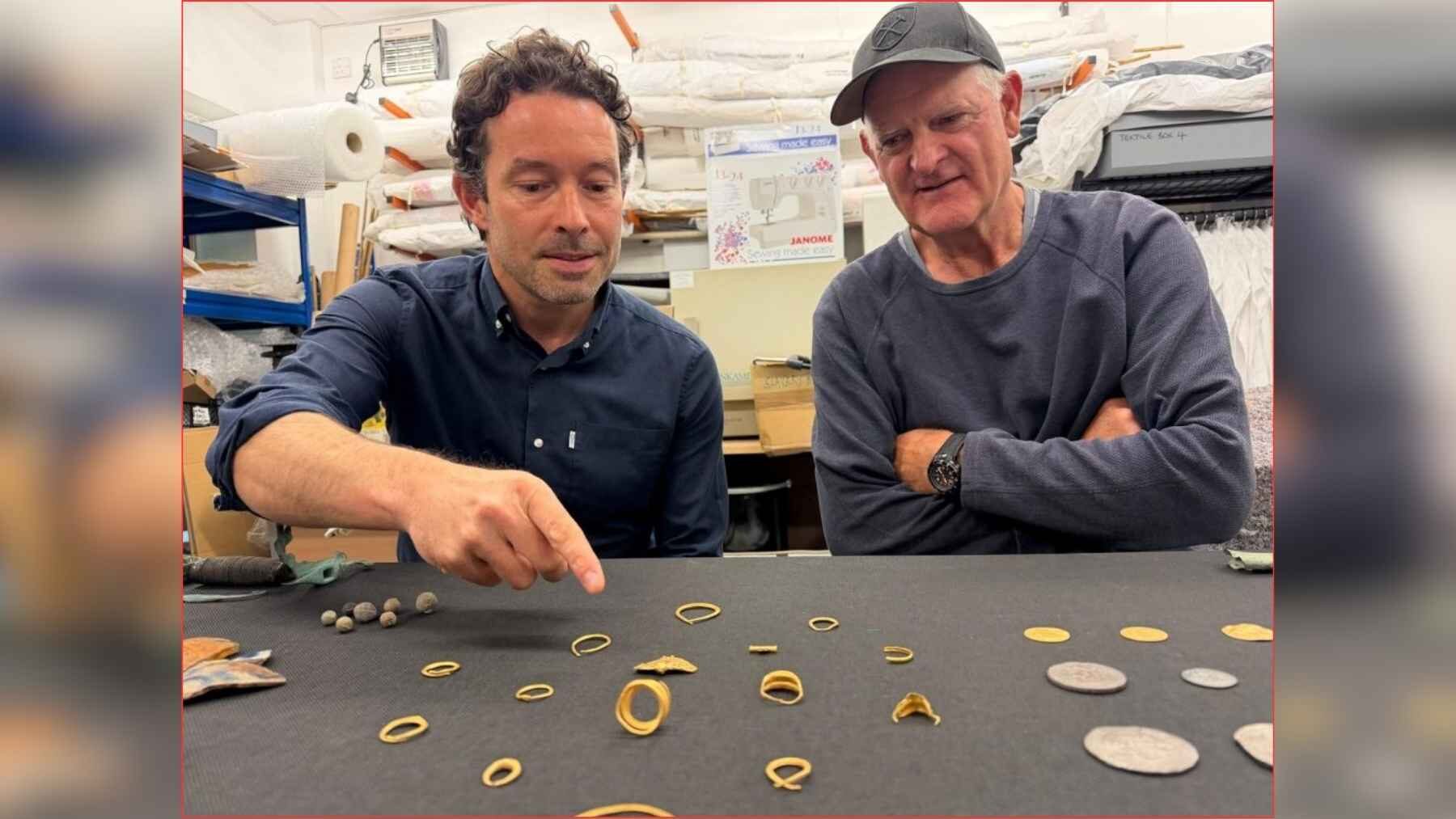
The story we have here might be the closest we have in the modern days to finding a treasure chest filled with gold. After years of research and underwater exploration, the diver, writer and modern day explorer Todd Stevens identified a wreck that is believed to be the Phoenix, an East India Company vessel that has been lost since the 1680s near the Isles of Scilly!
And the initial clue that led to it? A handwritten note reading “Cap Wildly lost” transformed what was an old chart into a viable search. During his missions Stevens was used to recover coins and jewelry, navigational instruments, sword fragments, and all kinds of personal objects. His collection has now been donated to the local Isles of Scilly Museum, opening to the public a new historical frame previously unknown, picturing a new look at trade routes, travels and the dangers that were present in the seas during the late 1600s.
A clue in the archive
Stevens is not only a reckless explorer. Before his endeavors he carefully studies his plans. This time was not different: he found the decisive clue while examining a historic map in the National Maritime Museum archive in Greenwich. The three simple words “Cap Wildy lost” appeared on the map over the waters west of Samson, and pointed towards an area where Captain William Wildy’s ship had theoretically disappeared.
But the note was just a clue. You can’t put your eggs in a bottomless basket. Since the note alone wasn’t proof by itself Stevens had to dig further. Combining the note with a lengthy documentary research, diving efforts and the kind of underwater archaeology that protects an object’s location and surroundings the efforts targeted the wreck not as an isolated treasure, but like a context that had its own history.
Cannons on the seabed
When dealing with those kinds of ancient sites the explorers sometimes have to stay more alert and take extra measures or go for a more cautious approach. Near the Low Bream Ledge the divers unexpectedly found broken cast-iron cannons arranged in rows and a small section of timber that could have been connected to the Phoenix’s keel. The website Historic England says that the cannons were also most likely used as kentledge, which during the time was a common practice of carrying scrap metal as ballast aboard the wooden cargo vessels.
The unusual counterweight helped the explorers to connect the site to what could have been the Phoenix. Still they stayed cautious since the official records described the wreck as “possibly” being the ship, a reminder that when dealing with archaeology we often have to advance through a path that combines possible evidence with a dramatic object.
What the ship carried
The vessel Phoenix was built on the river Thames around the year of 1670 and was designed largely for cargo capacity. The records that were kept connected its voyage with pepper and silk cargo transport, which was proven true when early salvages recovered hundreds of pepper bags and more than 1,600 rolls of satin.
The new finds that were donated by Todd Stevens reveal a more intricate layer of the voyage. Much like another hidden underwater coin cargo, those kinds of objects that when isolated can look insignificant to the untrained eye are exactly what help researchers reconstruct histories of who could have traveled aboard, what were the things they valued during those times and even how maritime trade worked back then.
Why the wreck matters
Shipswrecks dating from before 1700 are extremely rare findings, which means that even when the remains are just fragmentary they can be nationally important given its uniqueness. The area surrounding the Phoenix became a scheduled monument in May 2024 because it may be a site that preserves further evidence about shipbuilding and Eastern Indian trade history. Without official governmental protection the remaining artifacts would be vulnerable to theft and unregulated salvaging.
Because of that the wreck also influences political aspects of life above the water. The museum official records link the findings to the eventual construction of the St. Agnes lighthouse, meaning that during its construction time the loss of the Phoenix could have prompted a reshape of the navigation around the area.
Private find transformed into public history
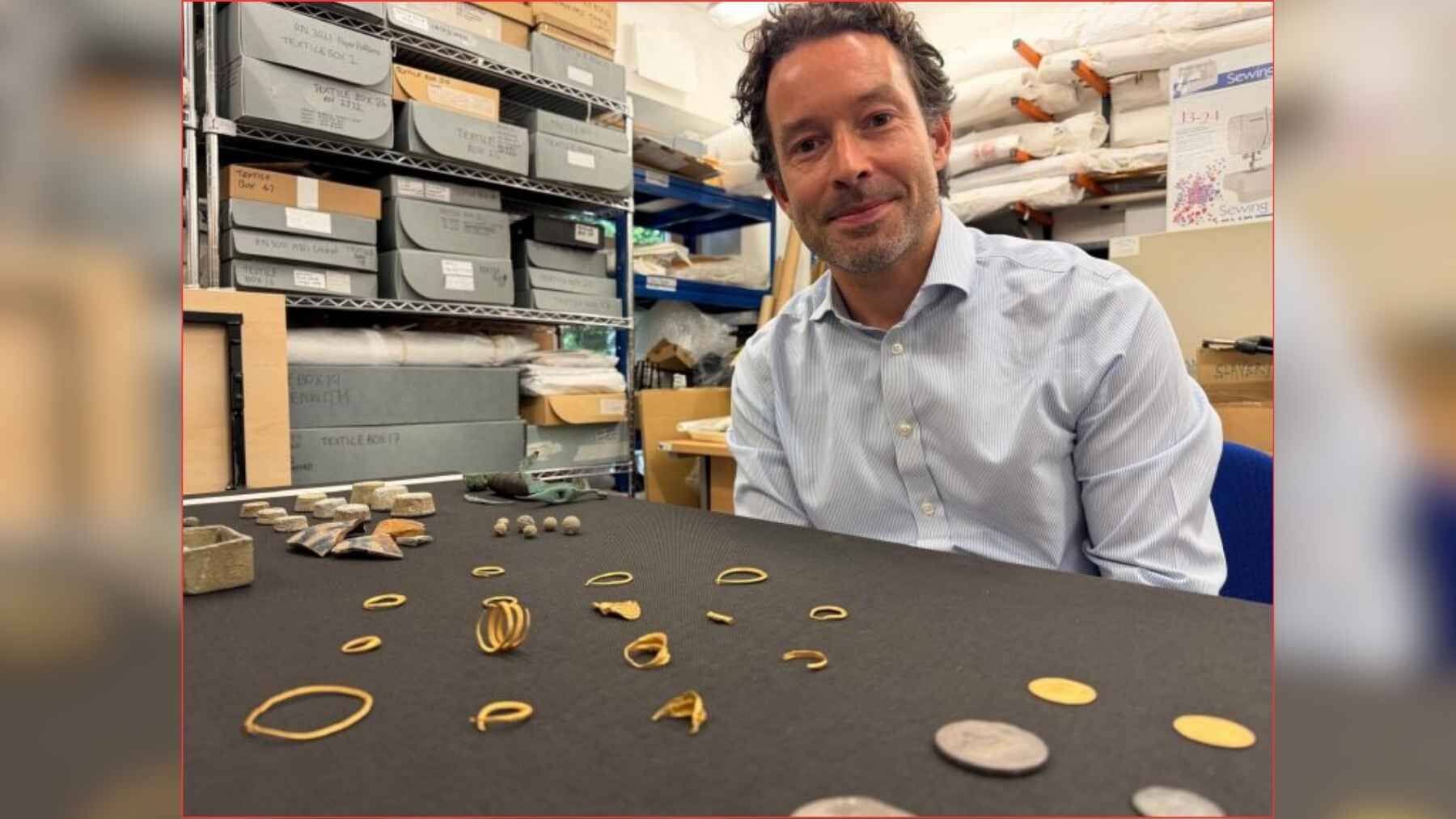
The Maritime Gallery at the new Museum and Cultural Centre in Hugh Town has a reserved place for the artifacts that were found. There those ancient coins, rings, the weapon fragments and personal belongings will be linked to other historical maps, cargo records and other wreck’s evidence which in turn will help the researchers to build a different history of could have happened in those times.
The announcement was published by the Isles of Scilly Museum & Cultural Centre themselves.