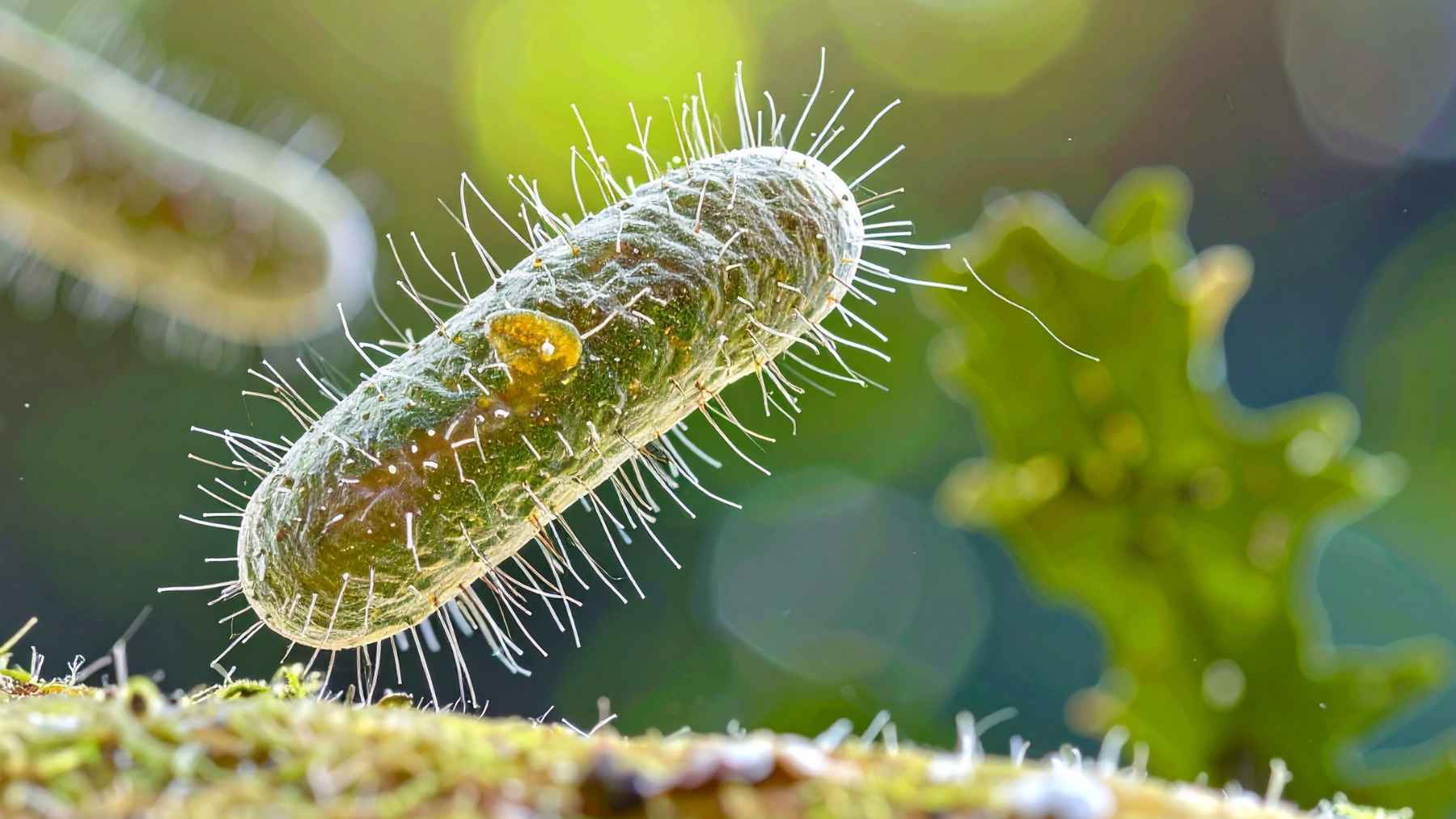
What if the next big biological threat is not a new virus, but a microbe built backwards? In a new set of questions and answers dated February 5, 2026, the World Health Organization (WHO) explains why “mirror life” could plausibly cause catastrophic harm to humans, animals, plants, and the environment, even though no self-replicating mirror organism exists today.
The message is simple, and it lands like a cold splash of water. Keep exploring useful “mirror” biomolecules, but draw clear red lines around self-replicating mirror organisms, because once something like a mirror bacterium gets out, the usual safety nets of immunity, predation, and surveillance may not work the way we expect.
Chirality in plain English
Chirality is the science version of left and right hands. Two molecules can share the same atoms yet still be mirror images that do not truly overlap, which is why your right hand will never fit comfortably in a left glove.
Life on Earth is largely “homochiral,” meaning it mostly picked one orientation and stuck with it. WHO notes that amino acids in natural life are almost exclusively left-handed, while sugars in DNA and RNA are right-handed, and that handedness shapes how molecules lock together and do biology.
That is where “mirror biology” and “mirror life” split apart. Mirror biology can mean making and studying mirror-image molecules, while mirror life would mean a whole self-replicating organism built entirely from the opposite-handed parts, and WHO stresses that mirror life cannot arise from existing life and has not been observed reproducing in nature.
How mirror bacteria could slip past immunity
The fear is not that mirror bacteria would be “stronger” in some comic-book way. The concern is that immune systems, as well as bacteriophages and many other natural predators, evolved to recognize normal bacteria, so mirror bacteria might slide through the recognition step and keep multiplying.
In the Science policy forum that helped ignite this debate, a group of 38 researchers warned that mirror bacteria would likely evade many immune mechanisms mediated by chiral molecules, and they could also evade predation by natural-chirality phage, which could help them spread in the environment.
The worst case reads like an invasive species story, except the invader is microscopic.
There is nuance here, and it matters. The U.K. Government Office for Science flagged that a chiral mismatch might also limit how well a mirror bacterium can invade host cells or use the nutrients it needs, so behavior in real bodies and real soils is uncertain, not predetermined.
Ecosystems in the crosshairs
If you are picturing this as a hospital issue, zoom out. WHO warns that mirror bacteria could act like an invasive species in external environments, potentially causing irreversible ecological disruption and threatening agriculture and the food supply, which is the kind of downstream shock that eventually shows up at the checkout line.
The Science authors lay out why persistence is plausible in the first place. They describe how mirror bacteria could be intrinsically resistant to infection by natural-chirality bacteriophages and may be resistant to many antibiotics made by microbial competitors, reducing natural “predation” pressure and increasing the odds of long-term survival outside a lab.
And even if you could treat infections in people, you cannot treat an ecosystem the same way. WHO says treatment options could be limited because most antibiotics interact in a handed way with their targets, and the U.K. note adds that you cannot deploy antibiotics across whole environments the way you would in a clinic.
Why mirror molecules still matter
Here is the twist that can get lost online. WHO says mirror-image biomolecules already have scientific and potential therapeutic applications, partly because they can resist enzymatic breakdown and sometimes avoid immune detection, which could make certain drugs longer-lasting or more targeted.
The U.K. roundtable also highlighted potential upsides that sound almost boring in the best way, including mirror peptides, mirror aptamers, and durable materials-science uses like more stable DNA-based data storage. That is the kind of work that could help medicine and manufacturing without creating something that reproduces in the wild.
Even the idea that mirror bacteria could be used as “biological factories” for mirror molecules is contested. WHO notes that scalable production is a proposed benefit, but it also argues that mirror bacteria are not necessary to get there if chemical synthesis methods keep improving.
Red lines while there is time
Mirror life is still hypothetical, but the pace of enabling technology is the reason this debate is happening now. The Science authors point to progress in synthesizing complex mirror biomolecules, including mirror-image kilobase-length nucleic acids and large functional proteins, and they argue those advances could erode barriers over time.
WHO estimates that the capacities to create mirror life are likely at least a decade away and would require major investments and technical advances, which is both reassuring and unsettling. It is reassuring because there is still time to set rules, and unsettling because research milestones can arrive faster than policy.
So what does “acting early” look like in practical terms? The U.K. note urges a clear distinction between mirror components and any self-replicating mirror cell, and WHO notes that some scientists see “mirror ribosomes” as a red line that should not be crossed, all while calling for broad governance discussions that include stakeholders far beyond the lab.
The official statement was published on the World Health Organization’s website.