When a river dries out, the damage does not always arrive with drama. First come broken stretches of water, a few shallow pools, and oppressive summer heat.
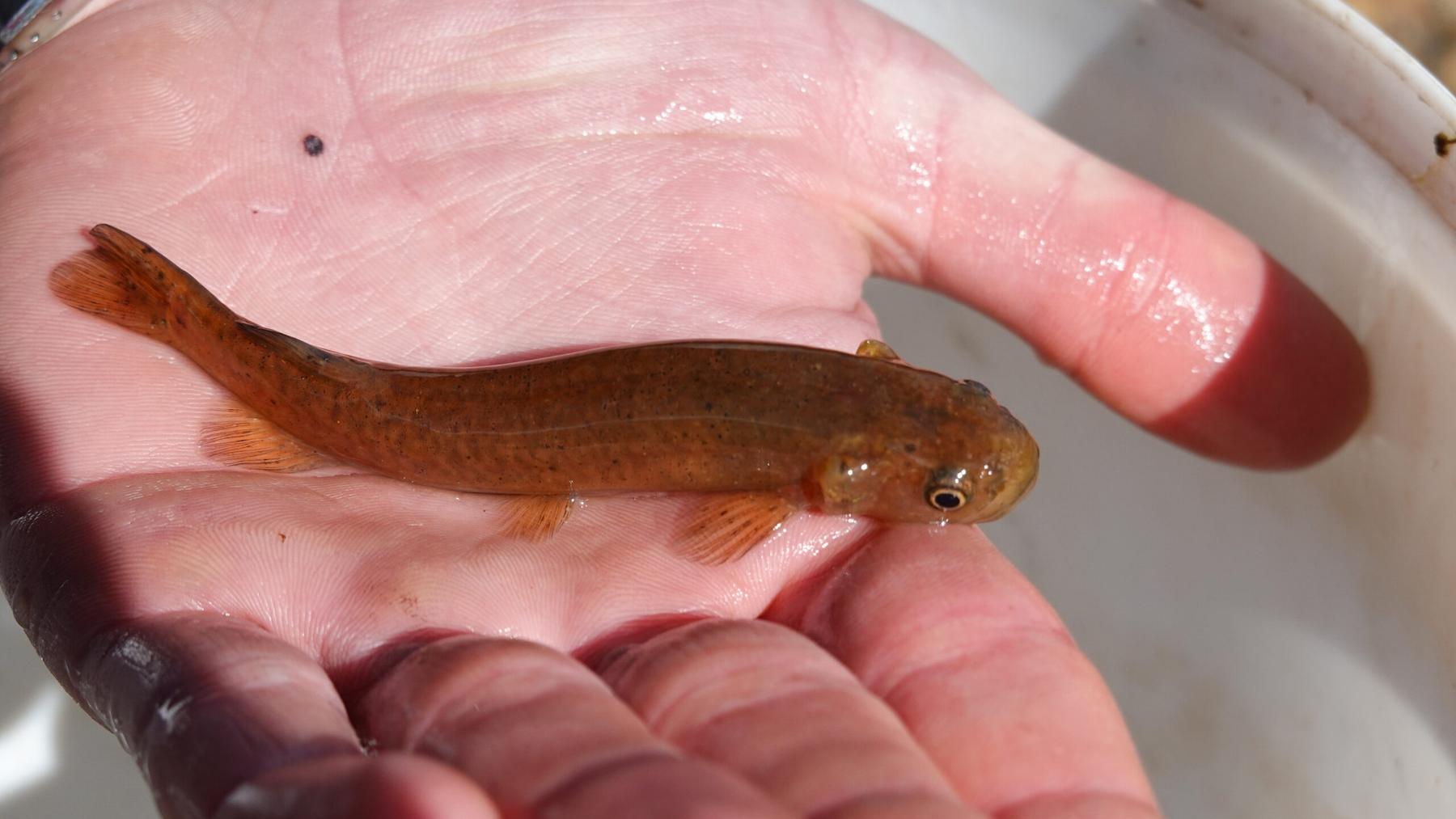
That is the warning now surrounding the European eel in Valencia. Acció Ecologista-Agró has put the focus on the Canyoles and Albaida rivers, where summer drought can leave eels stranded in isolated pools with warming water and falling oxygen, even though Spain has not yet added the species to its national endangered species catalog.
A river turns into a trap
Field monitoring has shown this pattern before. In July 2024, while Acció Ecologista-Agró was carrying out its Emys project to monitor native turtles, the Canyoles stopped flowing through Xàtiva and many remaining pools dried out. The ecological flow for August was reported at about 2.1 ft.³/sec. between Canals and the Albaida.
That number can sound abstract, but in the water it can mean survival or suffocation. When pools become cut off, temperatures rise and oxygen falls, and trapped eels can die before the channel reconnects. Small pools become cages.
The eel’s impossible journey
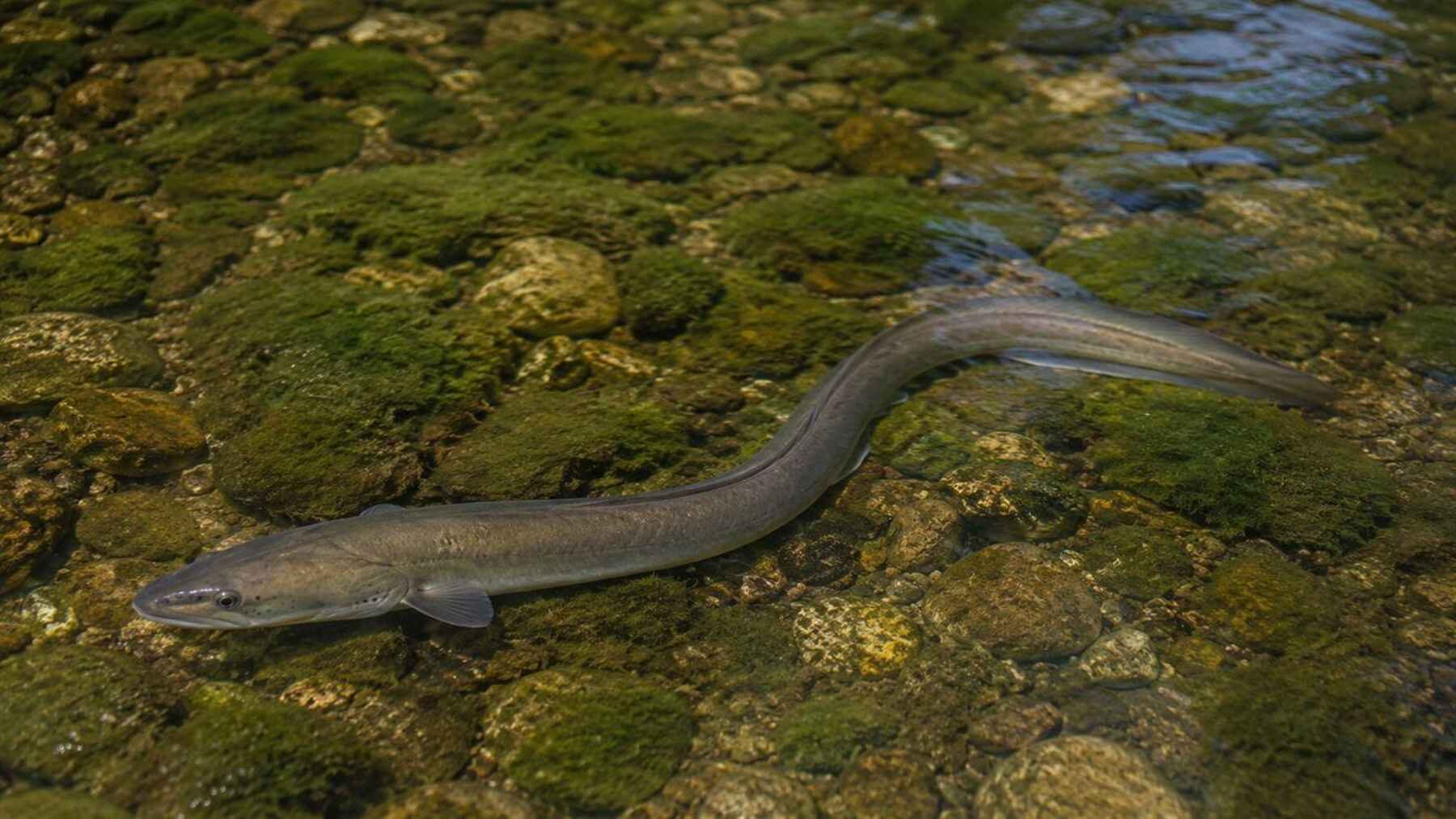
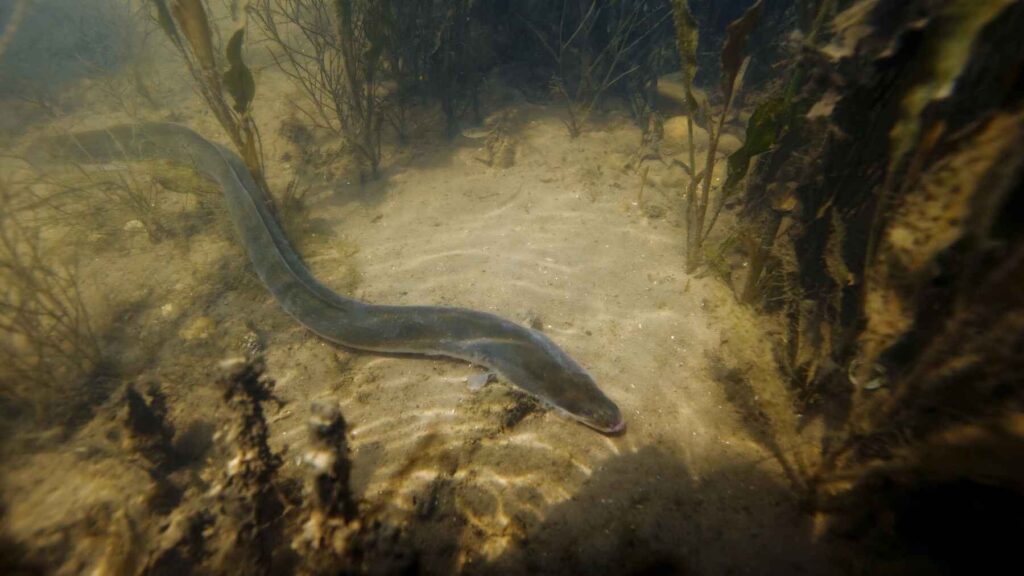
The European eel is not a normal river fish. It spawns in the Sargasso Sea, then its larvae drift toward Europe and North Africa before young eels enter estuaries, wetlands, and rivers. Many spend 5 to 20 years growing in fresh or brackish water before trying to return to the sea to reproduce and die.
In practical terms, the eel needs a river that works like a corridor, not a staircase with missing steps. Dams, weirs, dry stretches, polluted water, and damaged wetlands can interrupt either half of the trip, leaving adults unable to reach the ocean or juveniles unable to climb upstream.
A legal gap
Here is the contradiction: Spain’s Ministry for the Ecological Transition tried again in 2026 to move the eel toward stronger national protection, arguing for its inclusion as “Endangered” under Spain’s protected species system. An April government response later said the February 17 meeting with regional governments ended with a “lack of necessary consensus” and instead led to the creation of a working group.
Global conservation agencies are far less hesitant. The European Commission notes that the European eel is listed as “critically endangered” on the IUCN Red List, while the International Council for the Exploration of the Sea (ICES) advises “zero catches” in all habitats for 2026, including recreational and commercial fishing and glass eels used for restocking or aquaculture.
More than drought
Drought is the visible cause in Valencia, but it is not the only pressure. Spain’s agriculture ministry lists dams, migration barriers, fishing, pollution, changing ocean currents, contaminants, viruses, and parasites among the threats that may be affecting the species. It also notes that large dams built from the 1960s onward helped push the eel out of much of the interior of the Iberian Peninsula.
Water quality adds another layer. Too many nutrients from farms can fuel algae growth, which burns through oxygen and makes life harder for fish already trapped in warm pools. Then there is illegal trade, with the European Commission warning that poaching and illegal export to Asia remain additional concerns.
Tradition meets a shrinking future
The debate is uncomfortable because eels are not just data points. In parts of Spain, including the Valencian region, eel fishing has cultural roots and local economic value. The ministry itself acknowledges that eel fisheries vary by autonomous community and are generally traditional in character.
Scarcity changes the math, though. The younger stage, known as glass eel or angula, can be especially valuable, and ICES says even those catches should fall to zero under the precautionary approach. At the end of the day, the question is not whether the eel matters to local culture, but whether that culture can survive if the animal keeps disappearing.
What can still help
There is no single fix. Keeping minimum flows in the driest months would help prevent pools from becoming death traps, while reconnecting river stretches and removing or modifying barriers would give eels a better chance to move. Cleaner water matters too, because a river can look full and still be hostile if oxygen levels crash.
The EU recovery framework has a practical benchmark. Management plans aim to reduce human-caused mortality so that, over time, at least 40% of mature silver eel biomass can escape toward the sea compared with original natural levels. For Valencian rivers, that big European target begins with something very basic: water that keeps moving.
A small fish with a big warning
The European eel is easy to miss if you are walking past a dry riverbed on a hot afternoon. Yet its decline says something bigger about rivers that are expected to support wildlife, farming, cities, and tradition all at once.
For now, Spain’s legal debate remains paused while the eel working group studies the causes of decline and possible measures, including the removal of river obstacles. In any case, the rivers will not wait for paperwork.
The official response was published on Spain’s Congreso de los Diputados.