Pilates can build posture, balance, and body awareness, and for many people it is a smart way to stay active. When the goal is to firm the loose area at the back of the upper arms, however, experts point to something more specific: strength work for the triceps.
That soft, hanging skin is often called “bat wings,” a casual name for lax tissue along the inner upper arm near the triceps. It can become more noticeable when someone lifts an arm to about 90 degrees, especially when muscle tone is low or body fat has increased in that area.
Why the triceps matter
The triceps sit on the back of the upper arm, exactly where many people notice that loose, wobbly feeling. That is why exercises such as dumbbell triceps extensions, bench dips, and close-grip pushups tend to be more direct than a general Pilates class.
Still, there is a catch. No single move “melts” fat from one specific body part, and the American Council on Exercise has long warned that spot reduction is not how the body works. Fat loss, for the most part, comes from regular aerobic activity, strength training, and sensible eating habits.
The best move to start with
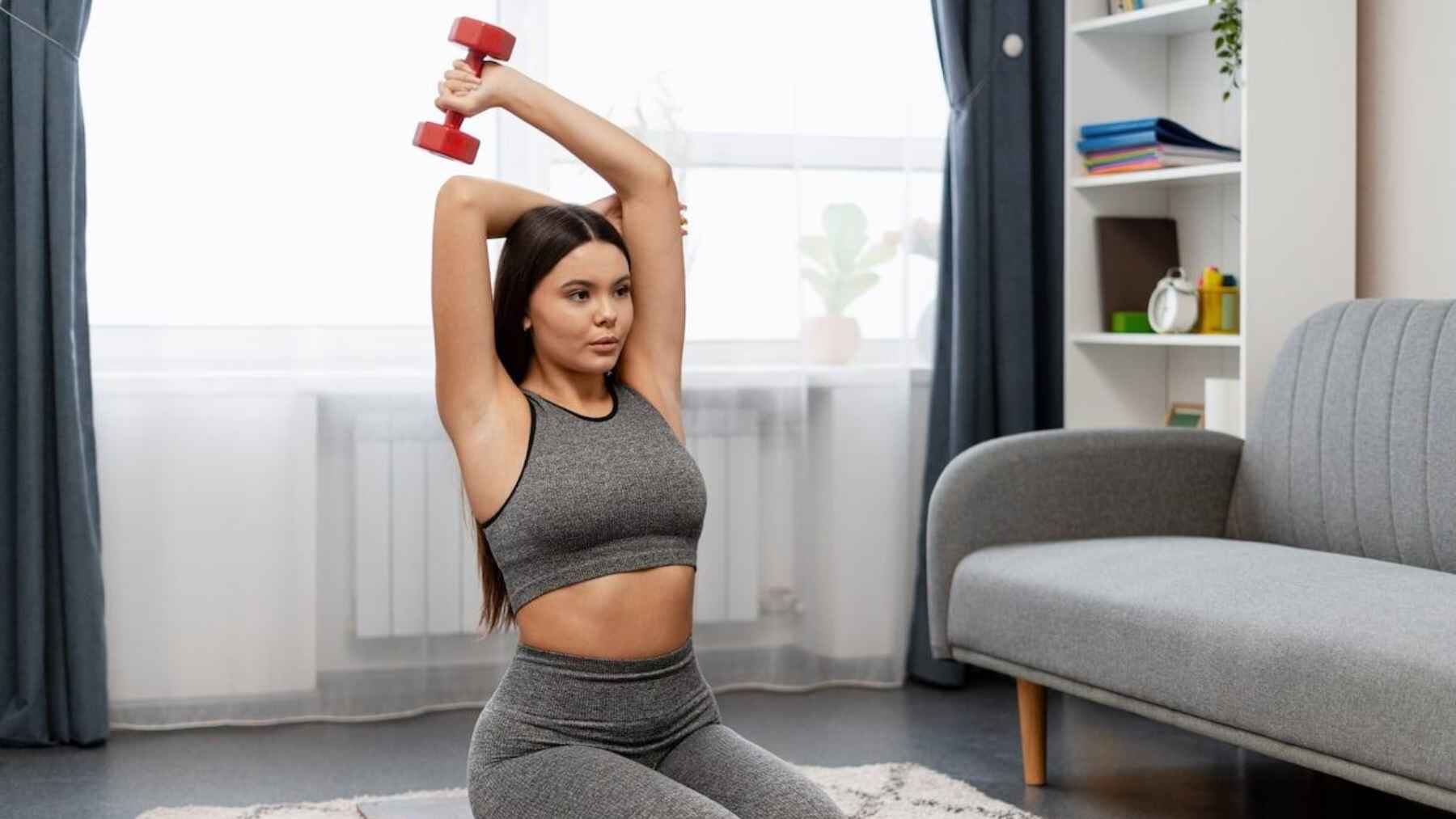
One of the clearest starting points is the dumbbell triceps extension. Mayo Clinic describes it as a move that works the triceps muscle, which is located at the back of the upper arm, and says the exercise can help strengthen and tone that area.
In practical terms, that means holding a dumbbell with control, bending the elbow, and extending the arm without swinging. Mayo Clinic’s advice is simple and worth remembering, moving smoothly and slowly, and avoiding jerking the arm while extending it.
Other arm exercises that help
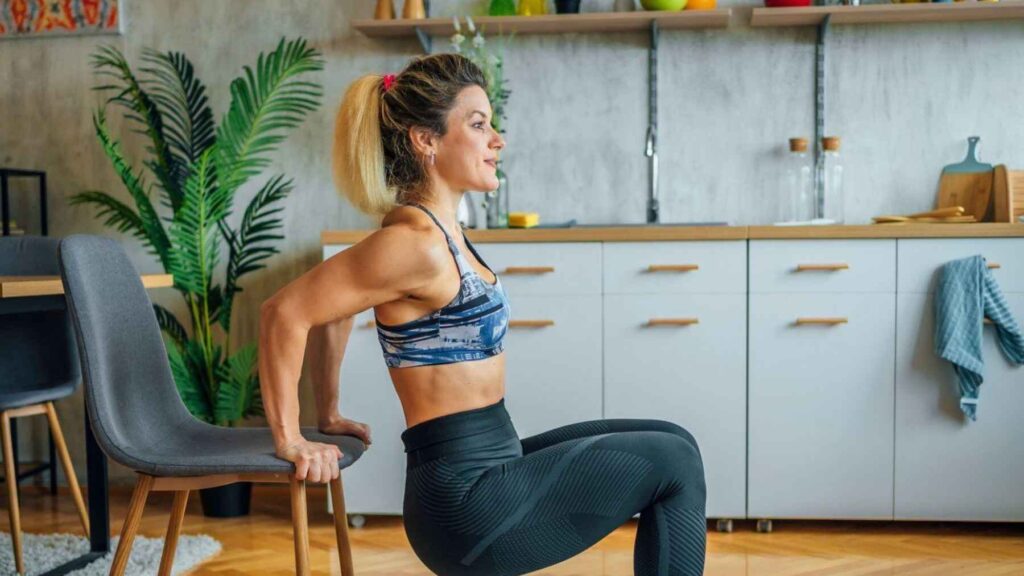
Bench dips are another useful option because they load the triceps with body weight. Sit in front of a sturdy bench or chair, place your hands behind you, lower your body by bending the elbows, then press back up with control.
Close-grip pushups can also help, especially when the hands stay near the body and the elbows track backward. Add dumbbell shoulder presses, and the routine begins to support not only the back of the arms but also the shoulders, upper back, and everyday movements like lifting grocery bags or pushing open a heavy door.
A realistic weekly routine
For adults, the CDC recommends at least 150 minutes of moderate-intensity physical activity each week, plus muscle-strengthening activity on 2 or more days that works major muscle groups. That can be broken into smaller sessions, such as 30 minutes a day, 5 days a week.
A simple weekly plan could include arm and shoulder strength work on Monday and Thursday, moderate cardio on Wednesday and Saturday, and a full-body routine on Tuesday and Friday. Sunday can be a rest day or a light stretching day, because muscles do not get stronger only while working, they also need time to recover.
Sets, reps, and patience
Mayo Clinic says a single set of 12 to 15 repetitions with the right weight can build muscle efficiently for many people. The key is choosing a resistance level that makes the last repetitions feel hard while still allowing good form.
That is good news for beginners. You do not need a complicated gym setup or endless workouts, just enough consistency to give the triceps a real challenge and enough control to avoid turning every repetition into a shoulder strain.
Food and recovery count too
Exercise is only part of the picture. A balanced diet with enough protein, vegetables, healthy fats, and water helps support muscle repair and overall body composition.
Sleep matters as well. Getting about 7 to 8 hours a night gives the body a better chance to recover from training, and skipping rest can make soreness, fatigue, and poor form more likely. Small habits add up.
What results can people expect
Visible changes usually take several weeks, not several days. The source material reviewed for this article suggests that noticeable results often appear after about 6 to 8 weeks of regular training, especially when strength work is paired with cardio and healthier eating habits.
Even then, results vary. Age, genetics, weight changes, skin elasticity, and training history all play a role, so the smartest goal is not perfection, it is stronger arms, better function, and a little more confidence when reaching, lifting, or waving.
The bottom line
Pilates is not the enemy here. It can be a useful part of a healthy routine, especially for posture and core control, but the more direct answer for “bat wings” is targeted resistance training for the triceps and shoulders.
Start light, move slowly, and build up gradually. Ultimately, the best exercise is the one that challenges the right muscle, fits your routine, and does not leave you injured after week one.
The official guidance was published on Mayo Clinic.