Father’s Day usually brings to mind backyard cookouts, handmade cards, and a quick call to Dad. In the animal kingdom, however, fatherhood can look a lot more intense than that. Some dads carry eggs on their backs, scoop babies into their mouths, build nurseries out of algae, or spend weeks bringing dinner back to a den.
A new Smithsonian feature highlights nine animal fathers whose parenting is not just sweet, but essential to survival. Karen McDonald, STEM program coordinator at the Smithsonian Environmental Research Center, explained that different species follow very different parenting strategies, from investing heavily in one or a few young to producing many offspring and hoping a small number make it.
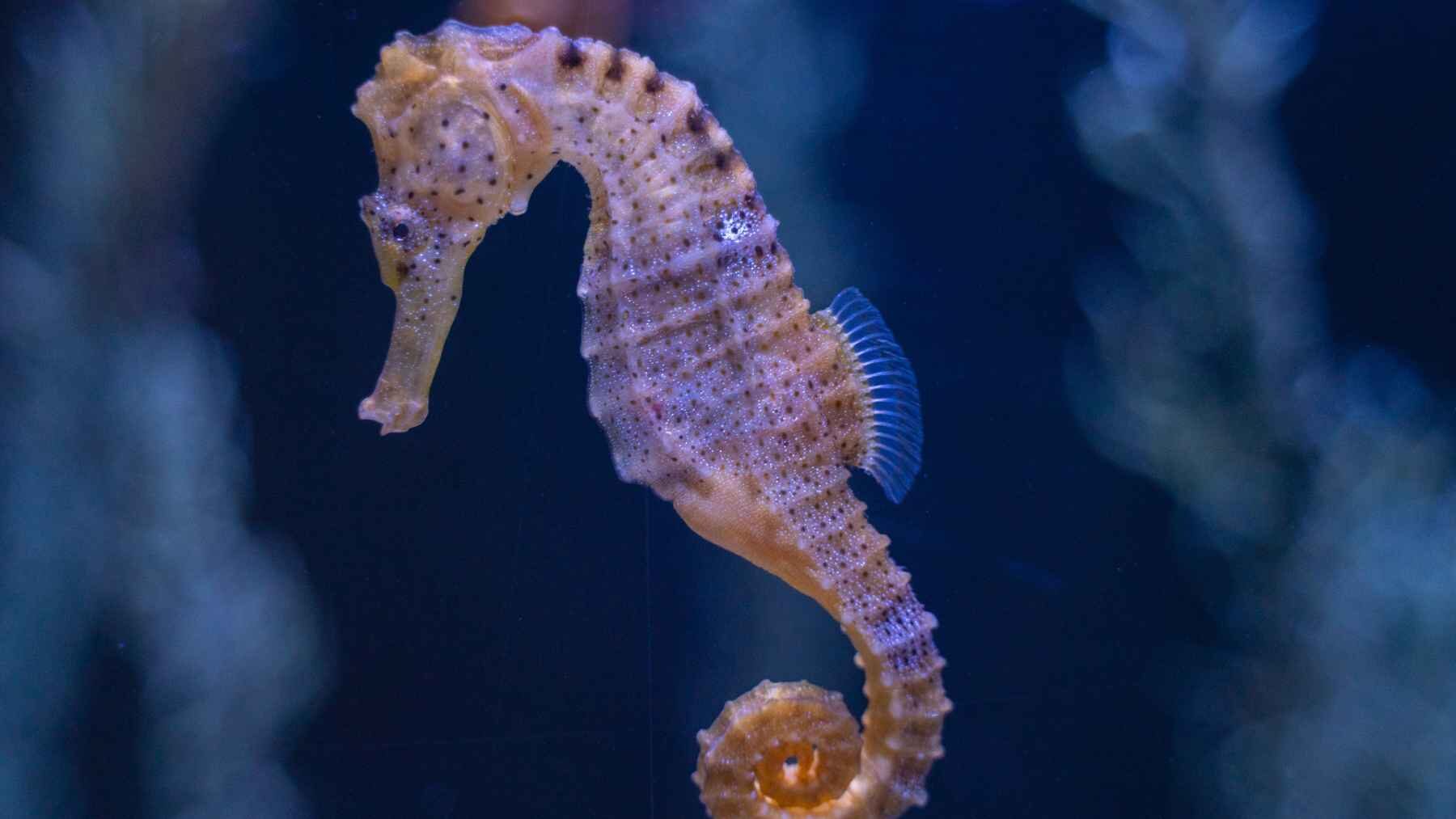
Seahorses do the unexpected
Male seahorses may be the best-known example of animal fatherhood turning the usual script upside down. The female transfers unfertilized eggs into the male’s pouch, and he fertilizes them inside.
“He literally becomes pregnant,” McDonald told Smithsonian Magazine. That pregnancy can end with as many as 2,000 babies being born at once, though only a small share will survive to adulthood.
It sounds almost unreal. In seahorses and their close relatives, pipefish, however, male pregnancy is part of a reproductive strategy that has worked for generations.
A bug with an egg backpack
The giant water bug is not exactly cuddly, but its parenting routine is hard to ignore. In some species, the female “glues” eggs onto the male’s back, leaving him to carry them like a living backpack.
“It’s kind of fun to think of an egg backpack,” McDonald said. The male rises to the surface so the eggs can absorb oxygen and even performs small underwater push-ups to keep water moving around them.
That care comes at a cost. For about one to two weeks, the egg-covered male is heavier, slower, and more vulnerable, a risky trade-off for a better hatch rate.
Fish fathers on guard duty
Arapaima are among the largest freshwater fish in the world, so adults have few natural predators. Their babies are another story. Tiny young arapaima can be easy targets for piranhas, caimans, and other animals.
Rebecca Sturniolo, curator for Amazonia and American Trail at the National Zoo, said the young are “quite susceptible to predation” because of their small size. They are not even visible to the naked eye until they are about a week old.
That is where the father steps in. When danger appears, an arapaima dad can scoop the young into his large mouth, swim them away from the threat, and release them once they are safer.
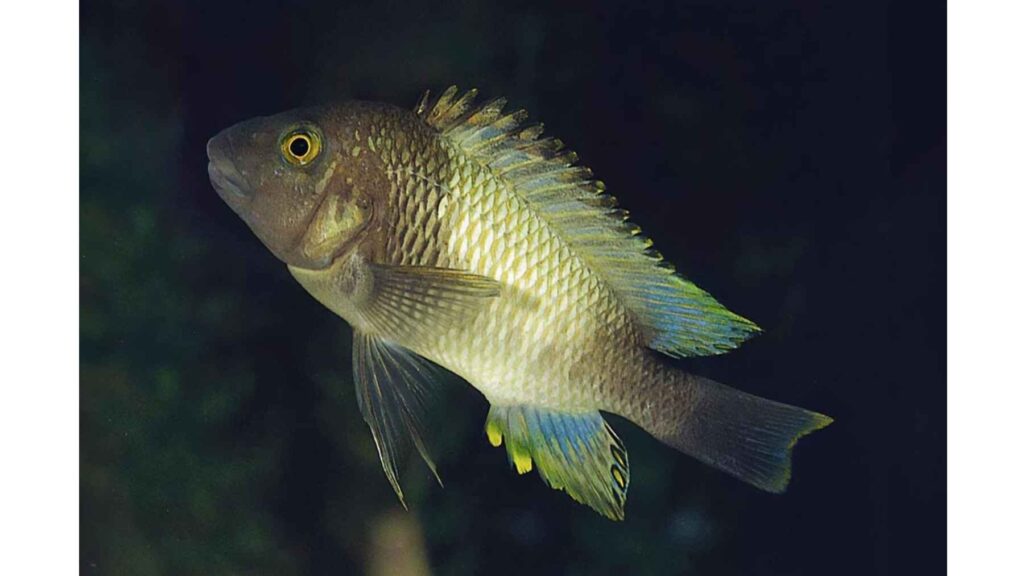
Some fish fathers use mouthbrooding to protect their offspring, carrying eggs or young inside their mouths until it is safe for them to swim on their own.
Birds that build the future
Some bird fathers take charge before the eggs even arrive. Male common loons help choose the nesting site, a decision that can shape whether the family has enough room to approach, defend, and protect the nest.
“They initiate and lead that selection,” McDonald said, adding that predators likely play a major role in that choice. Both male and female loons then care for their young until they are grown.
Ospreys show a different kind of long-term commitment. Males often return to the same nest site year after year, repair the nest, and help the female during incubation. Later, both parents encourage the young through what McDonald calls “flight school.”
Fox dads bring home dinner
Red fox fathers may feel familiar to anyone who has watched a parent come home tired but still carrying groceries. While the mother stays with the pups in the den, the male hunts constantly to feed the family.
“They eat a whole bunch of stuff, ranging from insects, berries, birds, and mammals, whatever’s around,” McDonald said. Male foxes may also cache food, burying it nearby for later.
The father’s job changes as the pups grow. He brings live prey to help them learn how to hunt, and he feeds the mother and pups full time until the young are about four weeks old.
Single fathers with feathers
Greater rheas, large flightless birds from South America, take solo fatherhood to another level. Males court several females, build the nest, and then take over once the eggs are laid.
Sara Hallager, curator of birds at the National Zoo, said each female lays her eggs in the nest, but after that, “mom rheas have no role in raising the chicks.” The male incubates the eggs and raises the young himself.
These dads are not passive babysitters. While caring for chicks, male rheas may charge at possible threats, including humans and sometimes even females of their own species.
Tiny monkeys, huge workload
Golden lion tamarins show how demanding mammal fatherhood can be. In the first weeks, infants cling to their mothers to nurse, but after that, they spend much of their time on their fathers.
“Carrying them is a huge job,” Kenton Kerns, curator of small mammals at the National Zoo, told Smithsonian Magazine. He noted that fathers carry the young except when the mother is nursing them.
That job is not just transportation. It also means protection from predators and hands-on teaching about what to eat, how to move through the forest, and where to sleep.
The stickleback’s tiny nursery
The three-spined stickleback may be small, but its parenting routine is surprisingly elaborate. The male builds a tunnel-like nest using algae, debris, and spiggin, a sticky secretion from his kidneys.
Once ready to breed, his stomach turns orange and he performs a zigzag dance to guide the female into the nest. After she lays the eggs and leaves, the male fertilizes them and takes over care.
He fans the eggs to oxygenate them, cleans them, guards them from predators, and even retrieves wandering hatchlings in his mouth. Small fish, big effort.
Fatherhood, nature’s way
What do all these examples tell us? For the most part, animal fatherhood is not about affection in the human sense. It is about survival, shaped by predators, food, habitat, and the hard math of reproduction.
Still, it is difficult not to feel something when a fox feeds pups around the clock or a tiny tamarin father carries babies through the trees. Nature rarely wastes energy, and these dads are proof that care itself can be a powerful survival tool.
The Smithsonian report was published in Smithsonian Magazine.