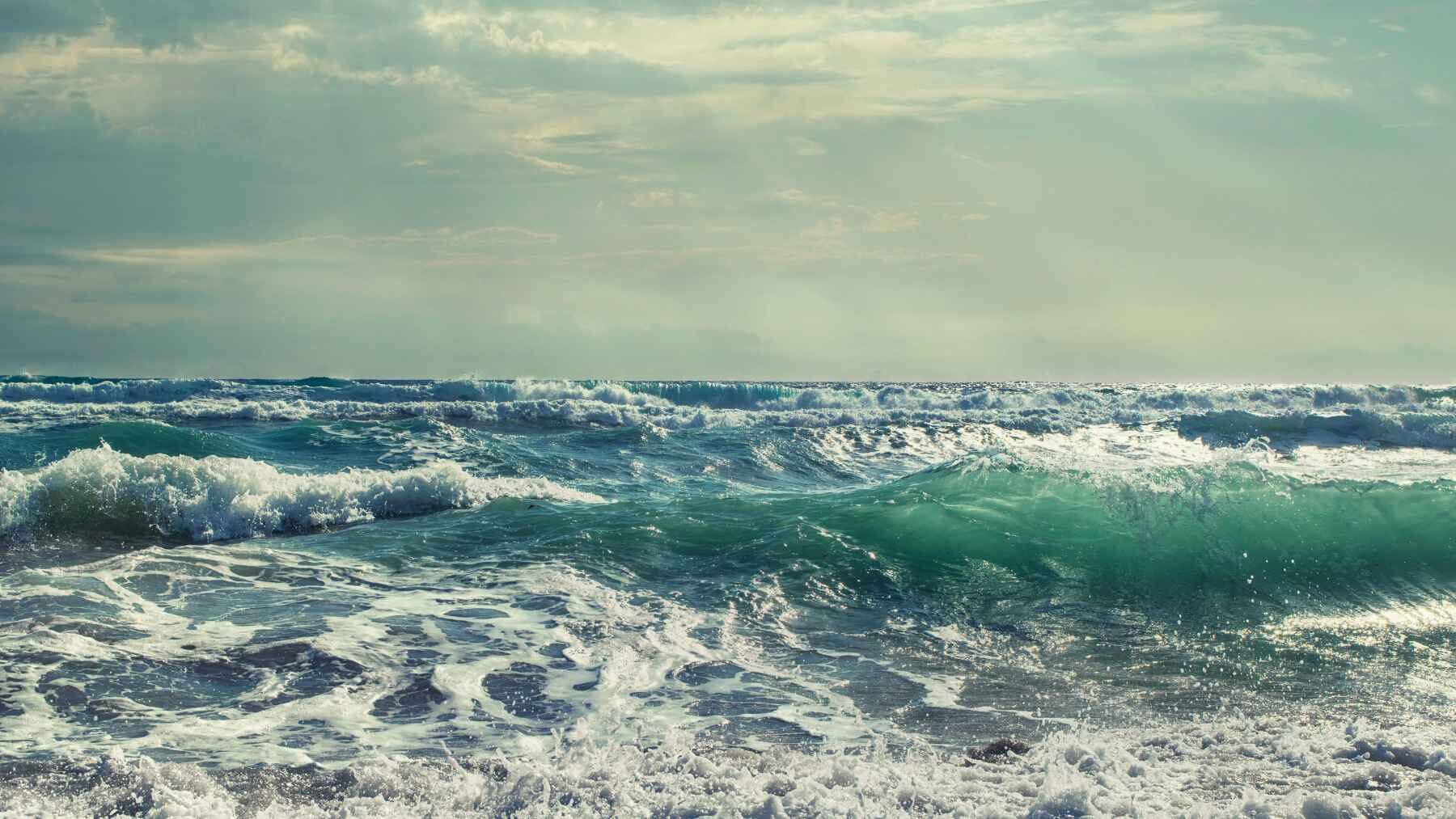
Have you ever stood at the beach on a hot day and felt the air shift the moment the waves roll in? That cooling breath is more than a pleasant summer detail. It is part of a massive planetary system that has quietly absorbed a huge share of humanity’s climate damage.
That is why the latest UN climate talks in Bonn matter far beyond conference rooms and diplomatic language.The meetings ended with major disputes still unresolved, especially over adaptation finance and emissions cuts. However, oceans emerged as one of the clearest pressure points heading into COP31 in Antalya, Turkey.
Oceans take the spotlight
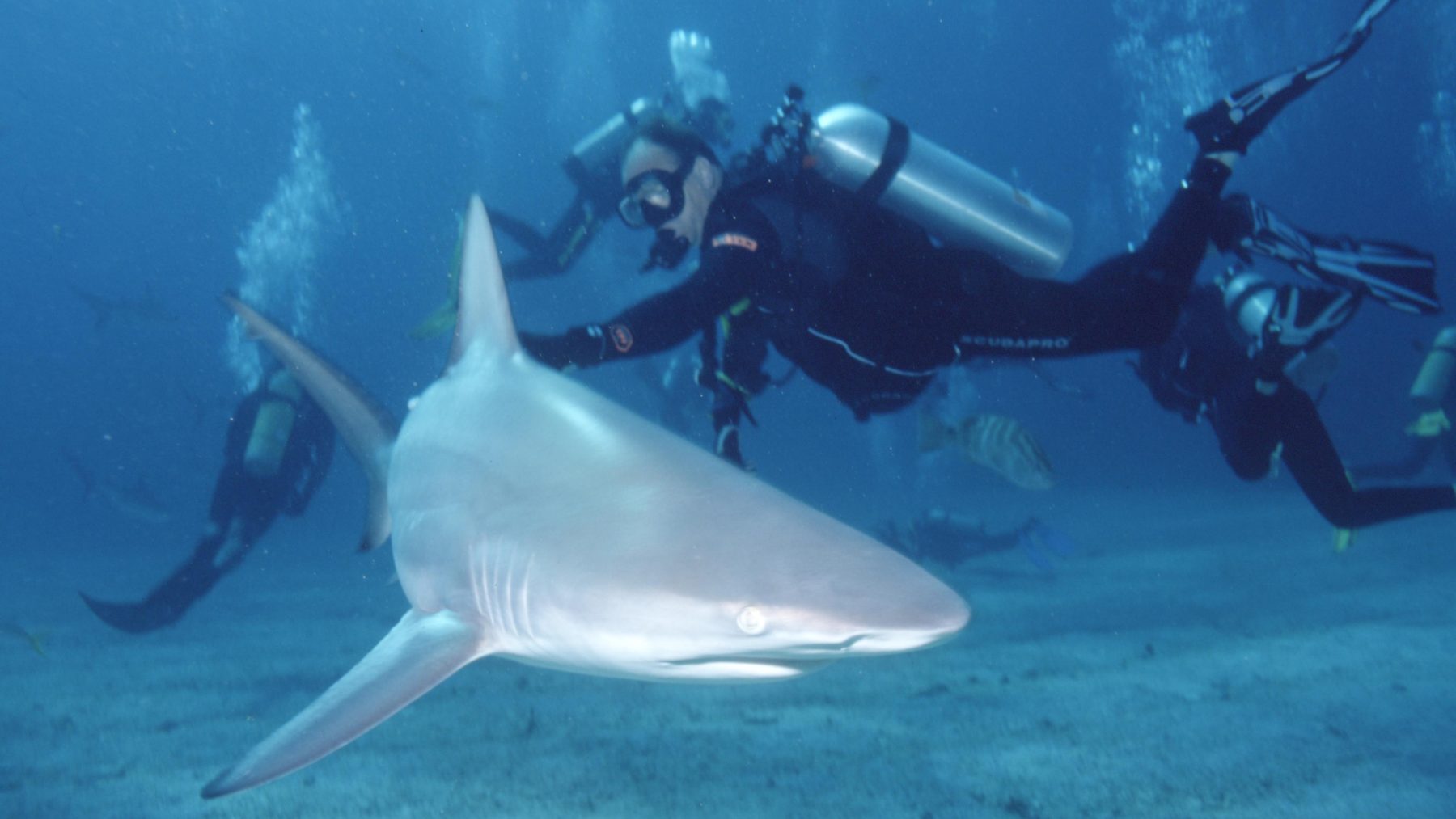
Oceans are often described as one of the world’s strongest natural defenses against climate change. They absorb about 30% of carbon dioxide emissions and most of the heat generated by those emissions, according to a report by Carbon Brief.
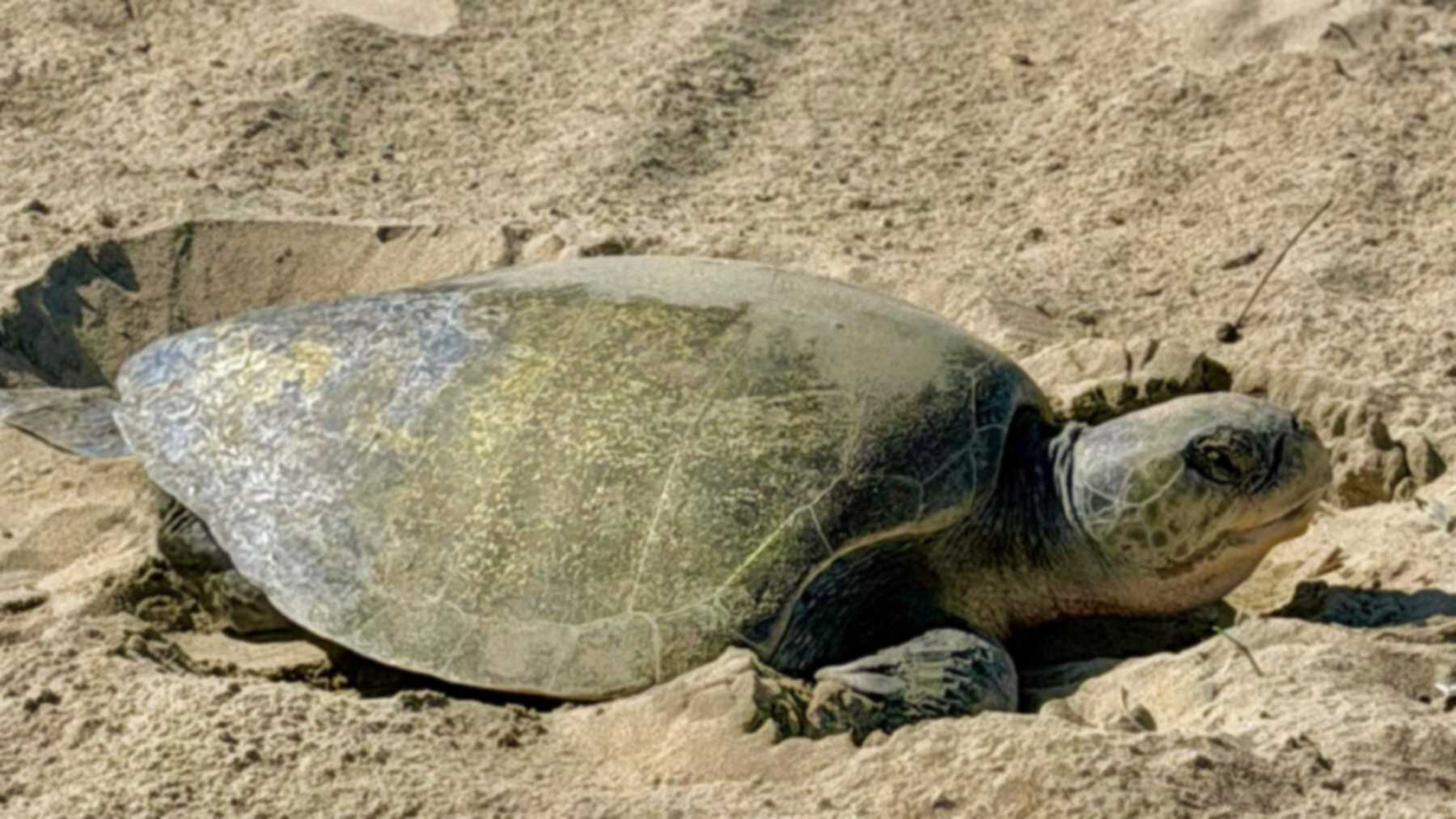
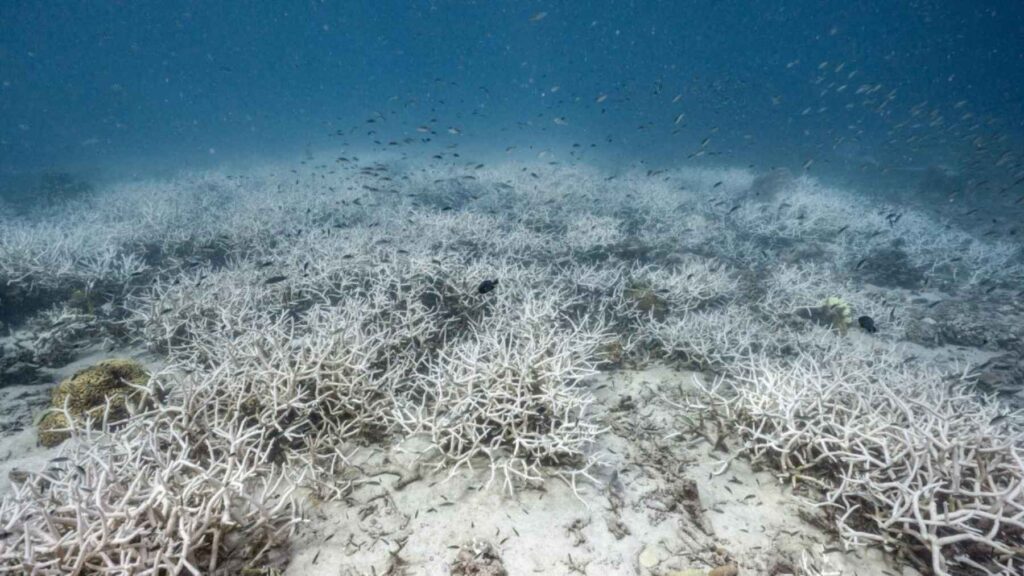
That sounds helpful, and to a large extent, it has been. But there is a catch. Warmer seas, rising water levels, marine heat waves, and ocean acidification are now putting coastal communities and marine life under growing strain.
Think about a sponge on a kitchen counter. It can soak up a lot of water, until suddenly it cannot. The ocean is not a kitchen sponge, of course, but the warning is similar.
Bonn ends with frustration
The Bonn climate talks, known as SB64, officially closed on June 18, 2026. UN Climate Change executive secretary Simon Stiell acknowledged that there were still “significant divides” and “significant work” ahead after the ten-day meeting.
The sharpest tension came from a familiar problem. Developing countries pushed for stronger support to deal with climate impacts, while richer countries resisted tying some adaptation discussions directly to finance. In the end, the global goal on adaptation was sent forward to COP31 without agreed text under the UN process known as “rule 16.”
Stiell warned that some negotiating rooms had slipped into “you-first-ism,” with groups refusing to move unless others moved first. He called that “a recipe for gridlock” at a moment when climate tracks need to move faster.
Why the ocean matters now
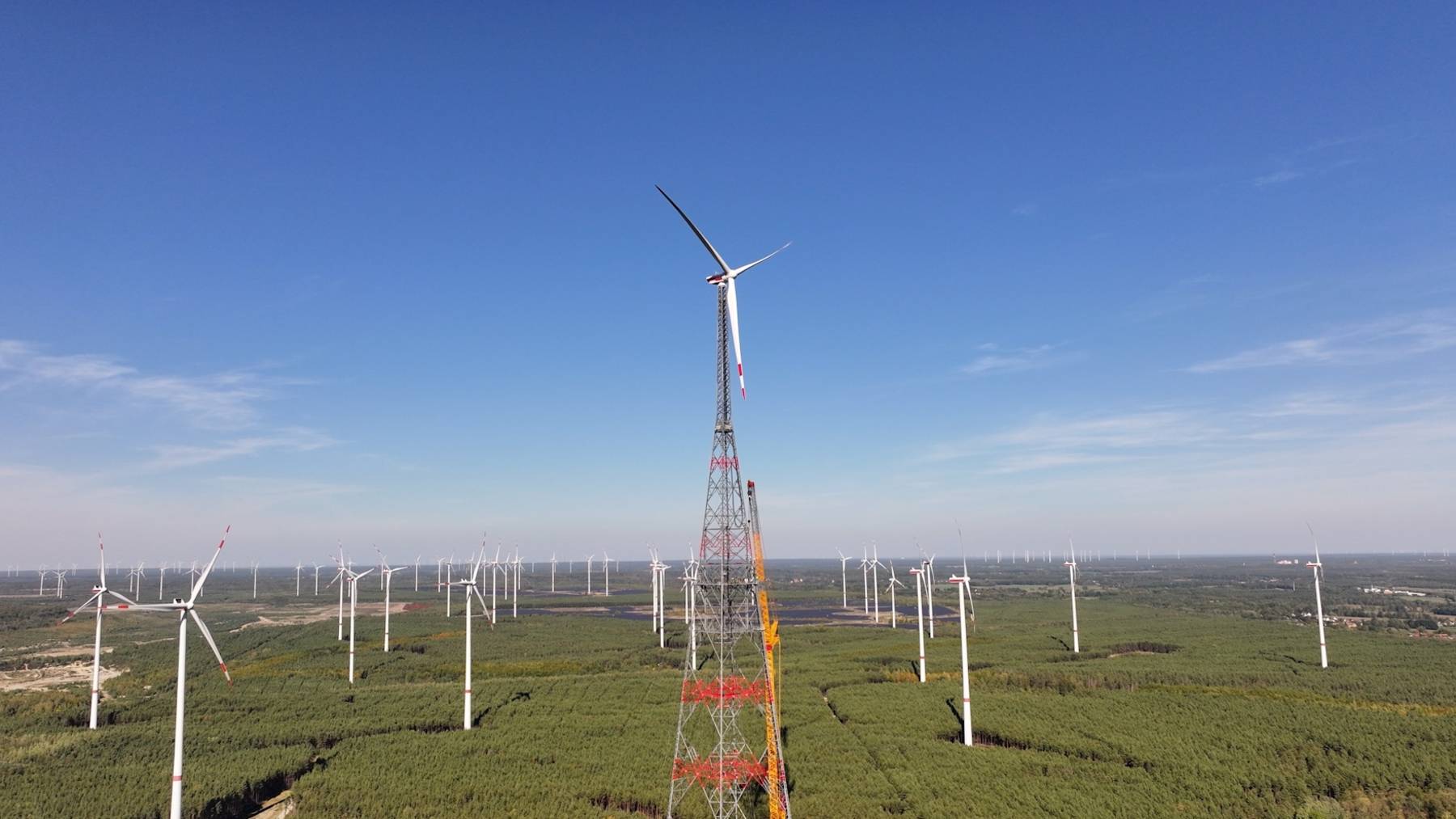
The ocean is not just a victim of climate change. It is also a place where solutions are already being built, from offshore wind farms to cleaner fuels for ships. In practical terms, that means the same waters threatened by warming are also part of the clean energy transition.
The 2026 Ocean and Climate Change Dialogue in Bonn focused on three main topics. They included ocean priorities in national climate plans, ways to implement ocean action, and better coordination between climate and biodiversity work.
That may sound technical. Still, it comes down to everyday questions for millions of people. Who pays to protect fishing communities, restore mangroves, prepare ports, and help coastal neighborhoods deal with water that keeps creeping closer?
Climate plans are changing
National climate plans under the Paris Agreement, known as NDCs, are starting to reflect this shift. Carbon Brief reported that three quarters of the latest round of NDCs mention oceans, with “blue carbon” ecosystems among the most common actions described.
Blue carbon usually refers to coastal ecosystems such as mangroves, seagrasses, and salt marshes. These landscapes can store carbon while also shielding shorelines from storms and erosion. It is climate action you can see from a small boat or a village road, not just on a spreadsheet.
Ambition on paper, however, does not automatically build seawalls, restore reefs, or fund early warning systems. Many developing countries made clear that their ocean-related actions depend on receiving more financial support.
The finance gap remains
Ocean finance is still tiny compared with the scale of the challenge. According to Carbon Brief, ocean finance currently makes up less than 1% of all climate finance.
That gap matters because ocean action can be expensive. Restoring mangroves, monitoring coral reefs, upgrading harbors, shifting shipping fuels are costly efforts. Defending low-lying islands also requires significant money, planning, and long term-political commitment.
For small island states, this is not an abstract debate. Some describe themselves as “large ocean states,” a reminder that their territory, culture, food systems, and economies are bound to the sea. When ocean action stalls, their future is on the line.
COP31 pressure builds
The next major test will come at COP31 in Antalya, Turkey, with Australia and Turkey leading the summit and Pacific islands playing a supporting role. Australian minister Chris Bowen told attendees that “Australia, Turkey and the Pacific see an important opportunity to elevate ocean-based climate action.”
That phrase matters because oceans have often sat at the edge of climate diplomacy. Now, the question is whether the dialogue can move from speeches into decisions, and from decisions into money reaching the places that need it.
Charles Hamilton, an adviser for the Bahamas speaking for the Alliance of Small Island States, put it bluntly. He said island representatives “are not traveling thousands of miles to just talk and pat ourselves on the back,” adding that dialogue without action is “just more talk.”
What happens next
The Bonn talks showed how difficult global climate politics has become. Countries are still arguing over who should cut emissions faster, who should pay more, and how firmly science should guide the process.
The ocean debate also showed something else, however. Even in a meeting marked by frustration, there is growing recognition that climate action cannot be separated from the seas that absorb heat, feed communities, power offshore energy, and threaten coastlines when warming pushes them too far.
At the end of the day, the ocean is no longer just the backdrop to climate change. It is becoming one of the main stages.
The official statement was published on UN Climate Change’s website.