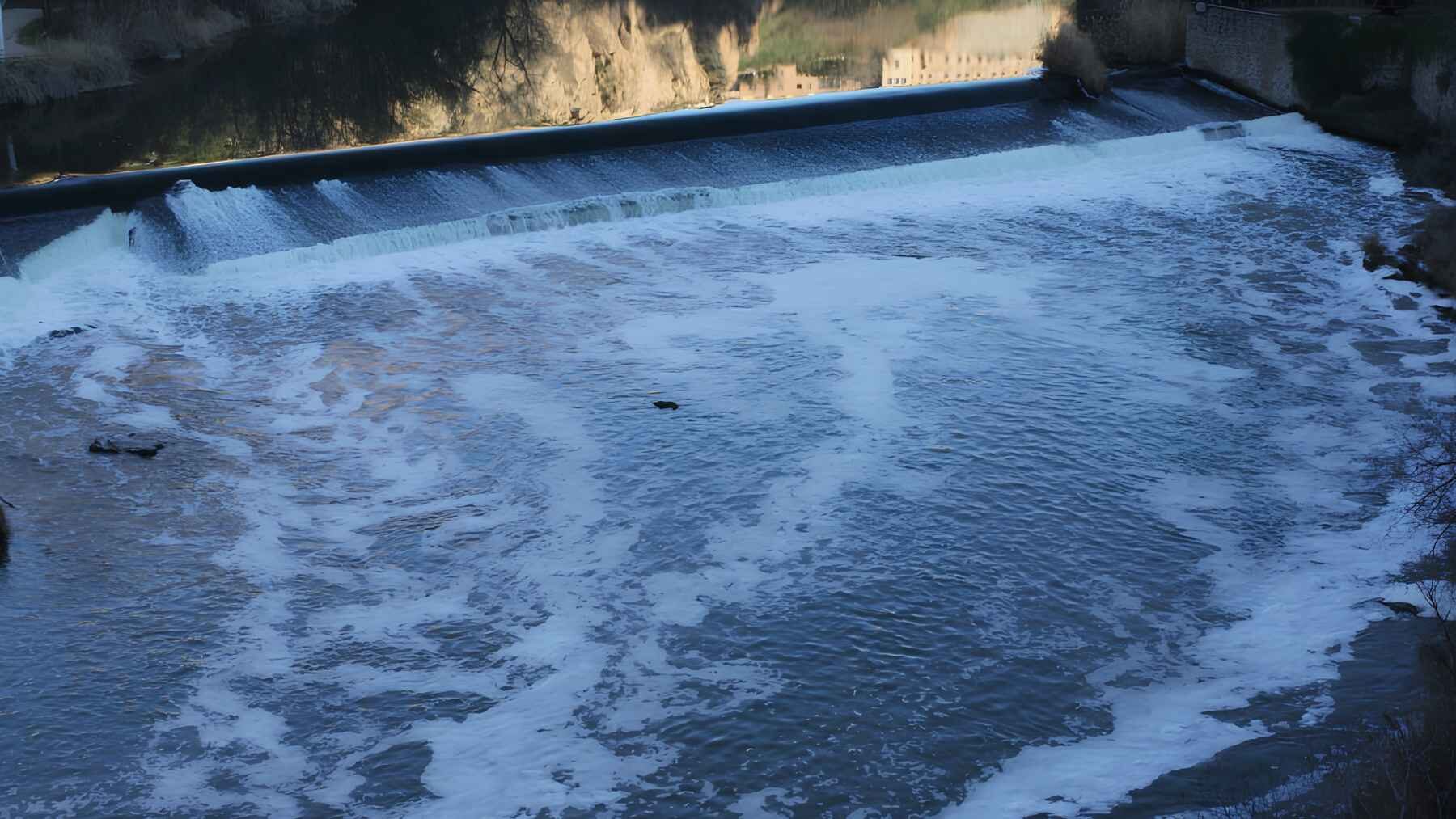
Antibiotic-resistant bacteria have been detected throughout the middle stretch of Spain’s Tagus River, raising fresh concerns about what is flowing through one of the country’s most important waterways. The finding comes from a University of Castilla-La Mancha research team that analyzed 19 sampling points across about 186 miles of the river between summer 2022 and spring 2023.
The results are striking because the problem was not isolated to one bad spot. According to the study, every sample contained microorganisms resistant to commonly used antibiotics, as well as genes that can help bacteria pass that resistance to other microorganisms. That means this is not just a river pollution story. It is also a public health warning.
What the researchers found
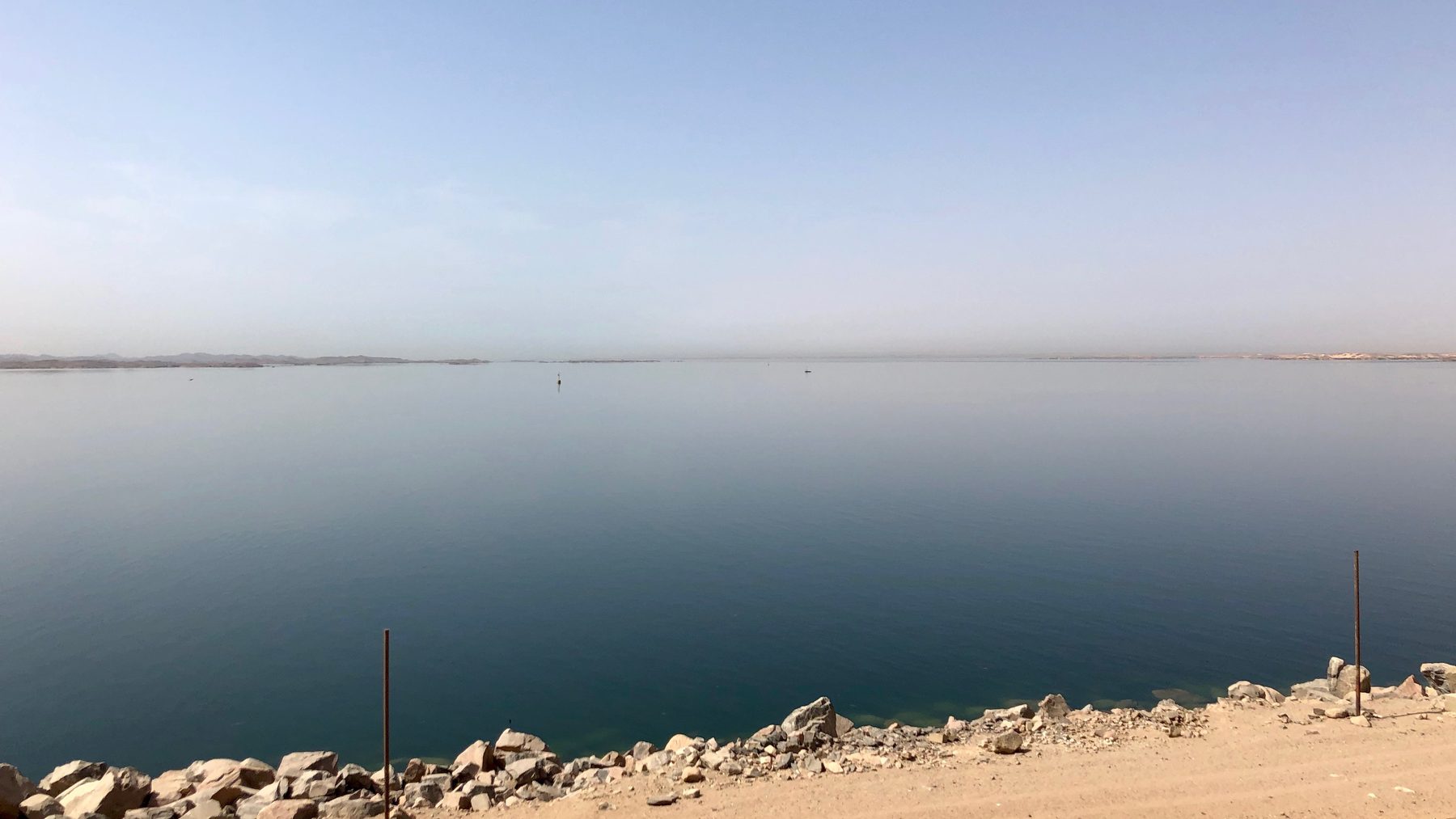
The research focused on the middle section of the Tagus River, known in Spain as the Tajo. The team collected samples every three months across 19 locations, including areas connected to protected Natura 2000 sites.
In all of the samples, researchers found bacteria resistant to antibiotics such as ampicillin and sulfamethoxazole. They also detected antibiotic resistance genes, which matter because they can act like tiny instruction manuals that help resistance spread through the natural environment.
At the same time, the analysis found high levels of total bacteria and coliforms, which are classic indicators of fecal contamination. These levels were especially notable in spring, when seasonal conditions can influence how bacteria move and persist in river water.
Why antibiotic resistance matters
Antibiotic resistance happens when bacteria no longer respond to medicines designed to kill them or stop their growth. This means infections that were once easy to treat can become harder, slower, and more dangerous to control.
The World Health Organization describes antimicrobial resistance as one of the top global public health and development threats. WHO estimates that bacterial antimicrobial resistance was directly responsible for 1.27 million deaths in 2019 and was associated with 4.95 million deaths worldwide.
That may sound far away from a riverbank. However, rivers can connect cities, farms, wildlife, wastewater, and recreation in one moving system. What enters the water in one place can travel, mix, and affect ecosystems far downstream.
A river under pressure
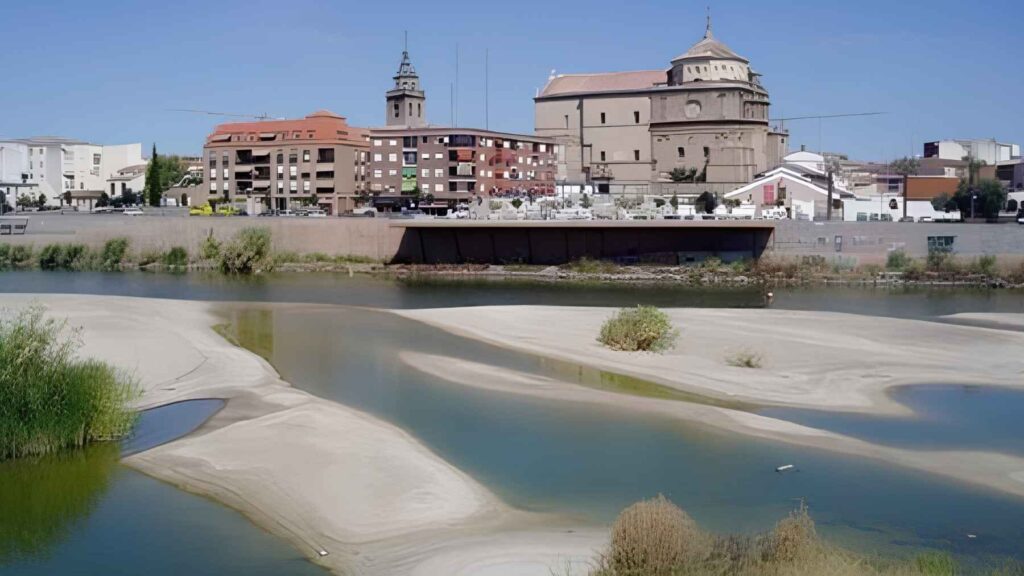
The Tagus is the longest river on the Iberian Peninsula, and its middle stretch passes through landscapes shaped by towns, agriculture, wastewater discharges, and heavy human use. Anyone who has walked beside a tired urban river knows the signs can be subtle at first. Murky water. Bad smells. A place people used to enjoy, but now avoid.
This study adds a more hidden concern. Resistant bacteria and resistance genes cannot be seen from the riverbank, yet they can reveal a lot about the health of the waterway.
The researchers say the discovery is especially relevant because the genes they found do not simply show contamination. They also point to mechanisms that may help antimicrobial resistance expand in nature.
The One Health connection
The study is framed within the “One Health” approach, which treats human health, animal health, and environmental health as connected parts of the same system. That idea is simple, but it changes how we look at a river.
A polluted river is not only an environmental issue. It can also reflect what is happening in hospitals, homes, farms, wastewater treatment plants, and surrounding ecosystems.
At the end of the day, bacteria do not respect the neat categories humans like to use. They move through water, soil, animals, and people. That is why scientists increasingly argue that rivers should be monitored not only for chemicals and visible pollution, but also for biological risks such as antibiotic resistance.
Fecal contamination adds another warning
Coliform bacteria are often used as signs of fecal pollution because they can indicate that sewage or animal waste has entered the water. Their presence does not automatically prove that every sample contains dangerous pathogens, but it does tell researchers that conditions may allow harmful microorganisms to be present.
That matters for communities near the river. It also matters for wildlife, irrigation, and the wider ecosystem, especially when river flows are low or contamination becomes concentrated.
The study found that bacterial levels varied by season. During some periods, higher flows can dilute contamination, while warmer or more favorable conditions may allow bacteria to persist or increase. The trouble is, rivers are already facing stress from drought, heat, and competing water demands.
Why monitoring needs to change
For years, river health has often been judged through chemical indicators, oxygen levels, visible pollution, and ecological status. Those measurements still matter. However, this research suggests they may not be enough.
The UCLM team argues that environmental surveillance should include antimicrobial resistance as an indicator of river condition. In other words, looking for resistant bacteria and resistance genes could become part of how authorities evaluate whether a river is truly healthy.
That would be a shift in how river management works. It would also give decision-makers a clearer picture of risks that are currently easy to miss, especially in basins exposed to urban wastewater, livestock activity, agricultural runoff, and low water flow.
What should happen next
The study does not say that people are immediately at risk from every contact with the Tagus. It does, however, point to a wider problem that deserves attention before it becomes harder to manage.
More complete monitoring could help identify where resistant bacteria are entering the river, how they change by season, and which areas need faster intervention. Better wastewater treatment, tighter pollution controls, and stronger river restoration measures could also reduce the pressure.
For the most part, this is about prevention. Once antibiotic resistance spreads widely through natural systems, it becomes much harder to contain. A river can be a warning light, and in this case, that light is blinking.
A warning written in the water
The Tagus has carried history, cities, farms, and ecosystems for centuries. Now, according to this research, it is also carrying a signal of one of the most serious health challenges of our time.
The finding is not dramatic because the water suddenly changed color or because fish floated to the surface. It is dramatic because the danger is microscopic, persistent, and connected to the way modern society uses antibiotics and manages waste.
What should readers keep in mind? Clean rivers are not only about scenery. They are part of public health, biodiversity, and everyday life.
The official statement was published by the Cátedra del Tajo UCLM-Soliss.