Chile’s environmental watchdog has issued a major sanction against Alto Maullín SpA after finding that an 87-lot real estate subdivision advanced near the Maullín River without first going through the country’s environmental evaluation system. The fine totals 4,414 Annual Tax Units, reported at about 3.785 billion Chilean pesos, or roughly $4.1 million at current exchange rates.
The case matters far beyond one project in southern Chile. For communities around Llanquihue and Puerto Varas, it is a test of whether protected wetlands, native forests, and riverbanks can be defended when rural land is carved into residential plots faster than regulators can respond.
A fine aimed at the profit
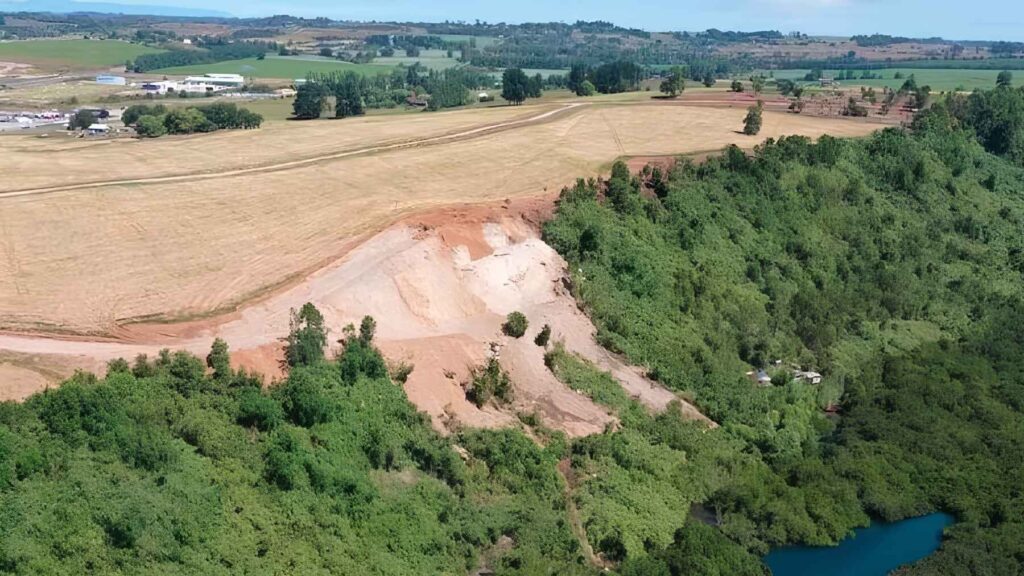
The Superintendence of the Environment, known as the SMA, sanctioned the project after determining that Alto Maullín was carried out in an officially protected area, with soil affected by erosion processes, steep slopes, and unauthorized cutting of vegetation. The official case file lists the sanctioning resolution as Res. Ex. No. 1423, dated May 22, 2026.
In practical terms, the penalty was designed to remove the economic benefit linked to selling the lots outside the legal process. La Tercera reported that the SMA calculated illicit gains at 3.947 billion Chilean pesos, or about $4.25 million using today’s exchange rate.
The subdivision involved 87 lots across roughly 124 acres in the commune of Llanquihue, according to the SMA’s earlier formulation of charges. Each lot was planned at about 1.2 acres, the kind of rural parcel that can look small on paper but adds up quickly on the ground.
Why this wetland matters
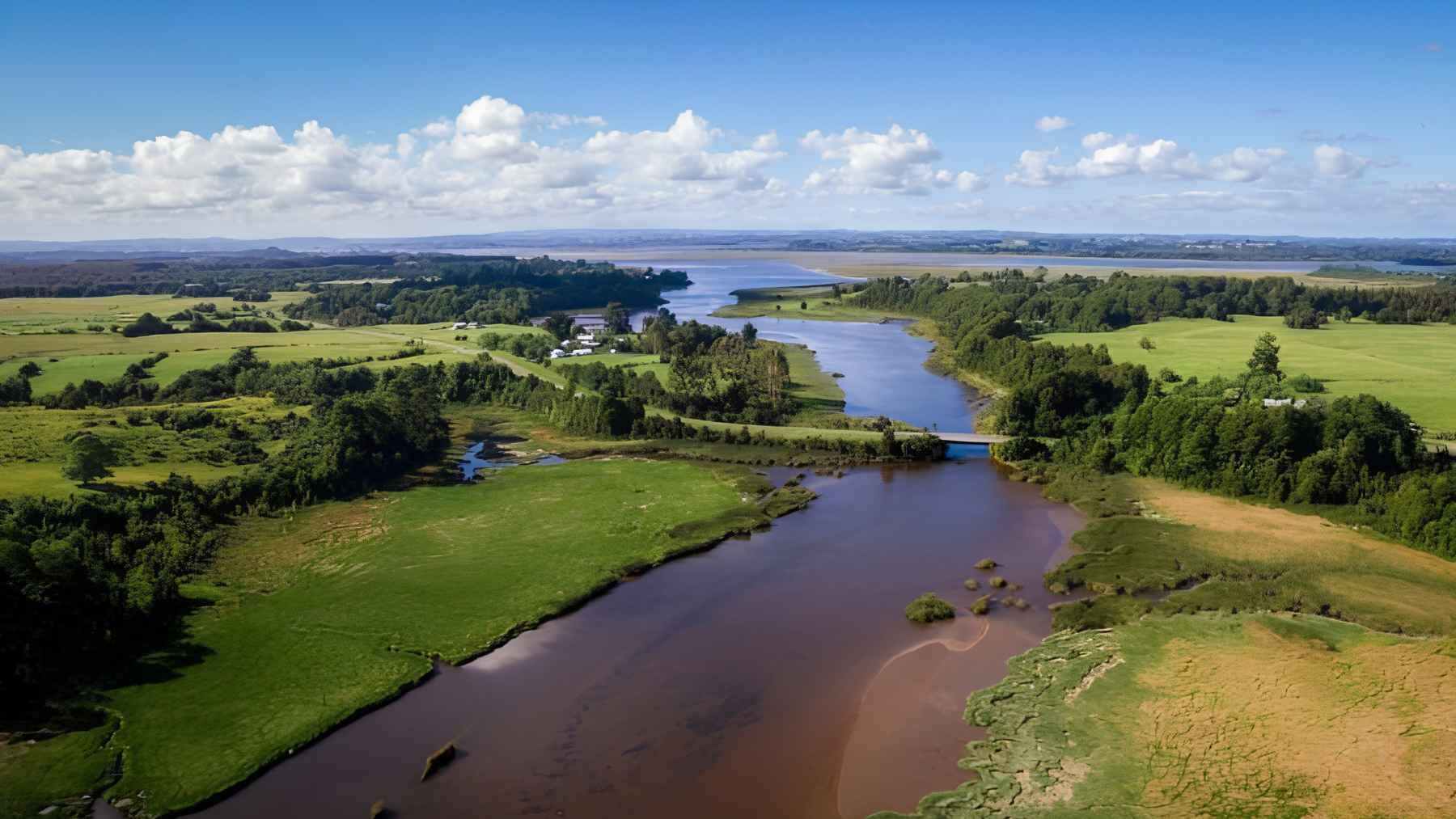
Why does one subdivision matter so much? Because the project sits beside a river and wetland system already recognized for its ecological value, in a region where land pressure has been growing fast.
The Humedales del Río Maullín Nature Sanctuary covers about 20,000 acres across Maullín, Llanquihue, Puerto Varas, Puerto Montt, and Los Muermos. Chile’s official legal record describes it as a protected sanctuary in the Los Lagos Region, a landscape tied to water, birds, riparian vegetation, and everyday life along the river.
The SMA had already warned in 2021 that the project was being executed outside the Environmental Impact Assessment System, known as SEIA. It also said the area was part of the Río Maullín priority conservation site, where the Humedal Maullín had been declared a Nature Sanctuary.
The legal fight continues
This story is not finished. On June 26, 2026, Chile’s Third Environmental Court admitted a legal challenge filed by Alto Maullín SpA against the SMA, under case role R-34-2026.
That means the sanction now moves into a new phase. The fine is still a powerful signal, but the courts will have the next word on how the dispute unfolds.
There is also history here. In 2022, the same environmental court annulled an SMA decision that had approved a compliance program presented by Alto Maullín, after conservation groups and local organizations challenged it. The court record described the 87-lot project and the request for the procedure to continue until the project entered SEIA in full.
A warning to other subdivisions
For environmental lawyers and local groups, the most important part of the decision is the message it sends to the real estate sector. Anais Baraona Mancilla, an attorney involved in the case, said the resolution “marks a fundamental milestone in the protection of Chile’s natural heritage.”
She also warned that environmental review must be preventive, not something companies try to dodge after impacts have already occurred. That is the heart of the case. At the end of the day, the system is supposed to ask the hard questions before trees are cut, soil is moved, and buyers arrive.
Verónica Irarrázabal, executive director of Fundación Legado Chile, put it plainly. “This resolution must be a clear signal for companies,” she said, adding that projects must follow regular processes, especially when they are tied to fragile ecosystems such as the river.
Puerto Varas feels the pressure
The Maullín case also fits into a wider problem in Los Lagos. Rural subdivisions have spread into natural areas that often lack the roads, sewage systems, waste services, and water management needed to handle a sudden jump in residents.
In Puerto Varas, local estimates cited by El Desconcierto say land urbanized outside the city through these kinds of subdivisions equals 17 times the size of the city itself. That is not just a planning issue. It can mean more traffic, more septic systems, more pressure on groundwater, and more strain on landscapes people often move there to enjoy.
Mayor Tomás Gárate has argued that Chile’s planning tools have fallen short because municipal regulatory plans mainly control urban areas, while the fastest changes are happening outside them. In plain language, the countryside is being urbanized without always admitting that it is becoming urban.
Communities kept watching
One of the striking parts of this case is that the river’s protection did not come from a sudden state reaction. It followed years of pressure from residents, conservation groups, and local organizations that kept reporting what they saw happening on the ground.
That persistence matters. Without it, environmental harm can become just another file in an office, far from the muddy riverbanks, native trees, and neighbors who live with the consequences.
For now, the Maullín River case stands as both a sanction and a warning. Rural development is not automatically illegal, but when it touches protected ecosystems, the rules are supposed to come first, not later.
The latest official case notice was published on Tercer Tribunal Ambiental de Chile, and the sanctioning file is listed on SNIFA’s website.