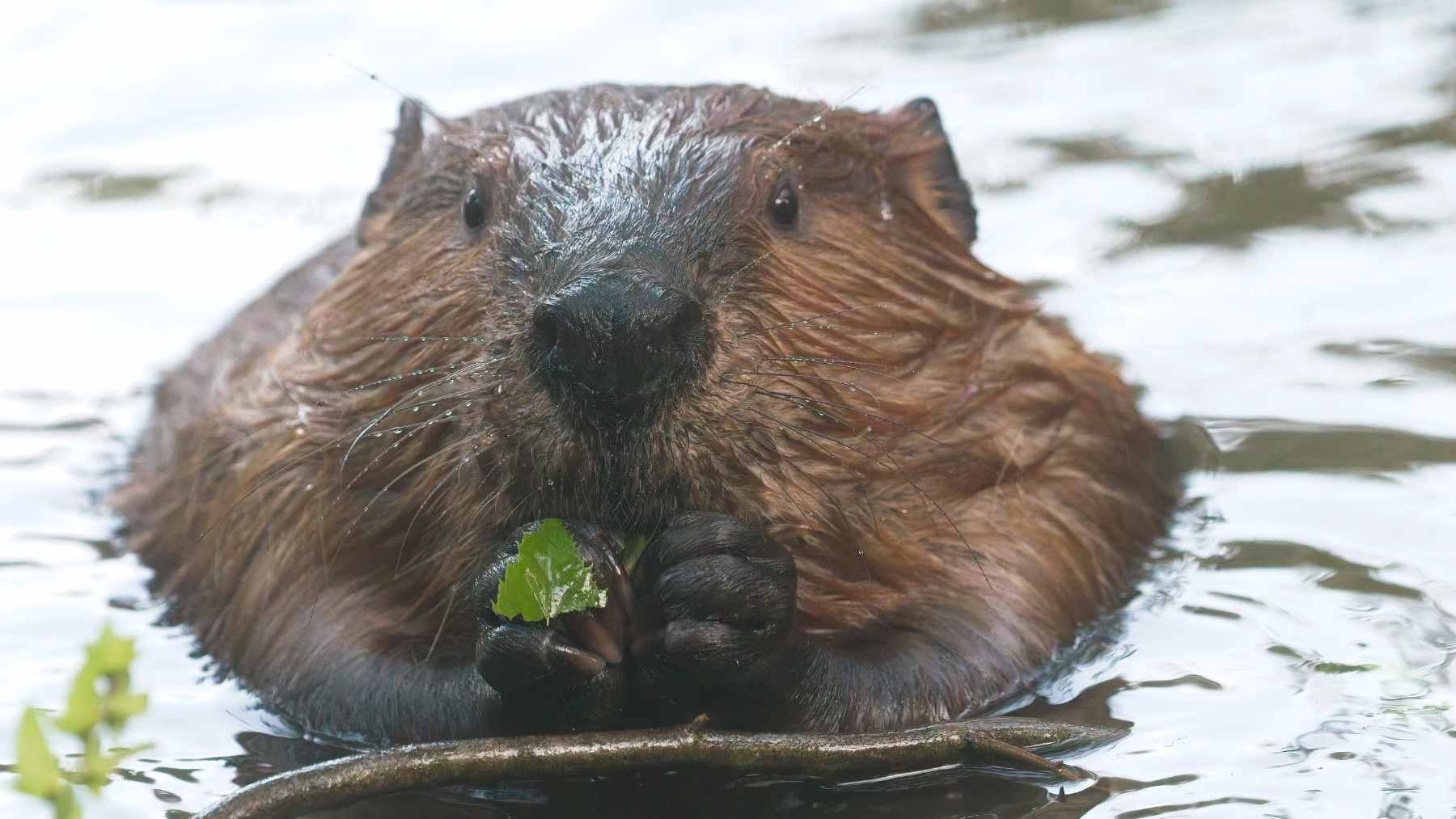
No one expected the humble beaver dam to look like climate infrastructure. Yet a new study reports that a beaver-shaped river reach in Switzerland held onto about 26% of all the carbon that entered it over one year.
The finding comes from a half-mile stream corridor in the Rhine basin, where beavers have been active since 2010. For anyone used to seeing a river as moving water and little else, the work changes the picture. A dam made of sticks, mud, stones, and chewed branches can slow a stream enough to turn it into a carbon store.
A river changed by beavers
Led by Dr. Lukas Hallberg and Dr. Joshua R. Larsen at the University of Birmingham, with partners including Dr. Annegret Larsen at Wageningen University & Research, the University of Bern, and coauthor Josep Barba of CREAF, the team studied a stream in northern Switzerland.
They measured how carbon came in, how it left, and how much stayed in sediments, dead wood, plants, and groundwater.
The scientists used water sensors, flow measurements, water sampling, and gas chambers that captured carbon dioxide and methane from the wetland surface. In plain terms, they did not just look at a pond and guess. They built a carbon budget, a kind of ledger for the river.
That ledger showed the beaver-influenced reach stored about 108 U.S. tons of carbon in one year. That was equal to 26% of all carbon entering the system, making the wetland a net carbon sink, meaning it retained more carbon than it released.
Why slow water matters
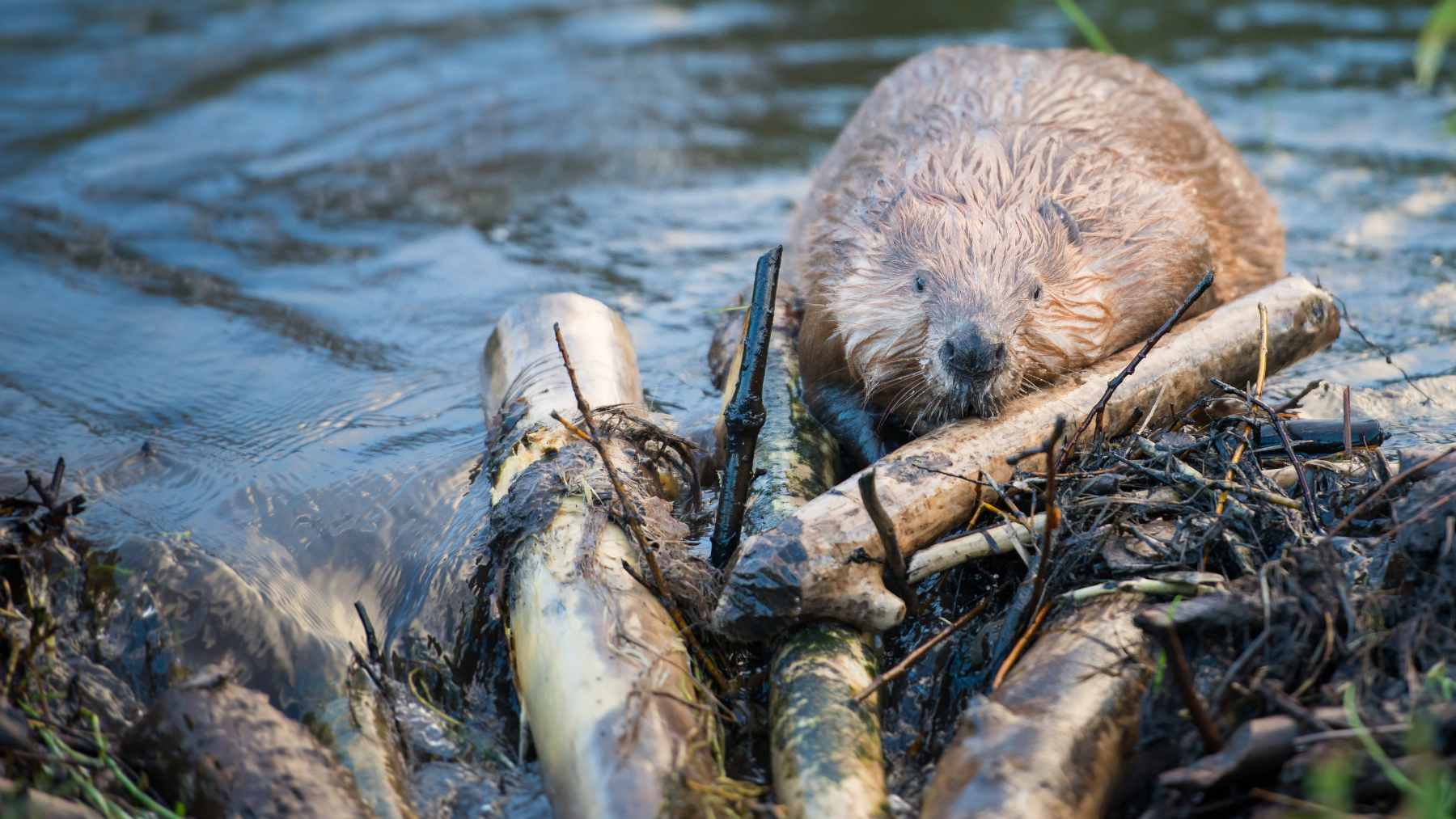
Beavers are often called ecosystem engineers, and this study shows why. By stacking branches, mud, stones, and sediment across a stream, they make water pause. Fast water carries leaves and plant fragments away, while slower water lets them settle.
Once that material sinks, it becomes part of the river bottom. Layer by layer, the mud traps carbon from leaves, roots, dead wood, and tiny organisms. Think of dust collecting in the corner of a room when the fan is switched off.
This matters because headwater streams, the small upstream beginnings of river systems, do a lot of carbon processing. Earlier research has also shown that beaver dams can reshape water movement and water quality, but the new work goes further by weighing the full carbon balance.
The hidden storage is underground
The surprise was not only the mud. More than half of the retained carbon was linked to water moving below the surface, where a stable form of carbon carried in water was held in underground pathways. For a teenager reading this, think of carbon dissolved like minerals in water, then tucked away under the streambed.
That underground movement also affects water supplies. When dams slow flow, water has more time to seep into the soil and recharge aquifers, the underground stores that can matter during dry spells. It may mean less rushing water you can see, but more reserve hidden below.
There was a seasonal twist. In summer, as water levels fell and wet sediments were exposed to air, carbon dioxide releases rose. But over the full year, those losses did not erase the carbon kept in the system.
Not all carbon sinks are equal
The long-term picture is where the study gets especially interesting. Sediment and dead wood can keep carbon locked away for years or even decades if the dam network remains in place. The paper estimated that a beaver-modified corridor could build substantial long-term storage, while a similar stream without beaver activity would be only a modest carbon sink.
Researchers also found that methane was less than one-tenth of 1% of the carbon budget in this temperate European site. That matters because wetlands are sometimes criticized for releasing methane, a powerful heat-trapping gas. Here, at least, the methane signal was tiny compared with the carbon stored.
Still, this is not a magic fix. The study site had the right geography, including a stream corridor where dams could spread water into a wetland. Beavers cannot turn every river into a carbon vault, and broken dams can release stored sediment downstream.
Spain is watching the comeback
In Spain, the European beaver has returned after disappearing for centuries. The species was added to the national special protection list in 2020, and official legal text named the European beaver as part of that protected listing.
There is no closed official census, but estimates in the supplied research brief put the population above 1,000 animals, with established groups in the Ebro and expansion toward other basins. The species has also spread through the Ebro, Guadalquivir, and Tagus basins, while its arrival around Catalonia has been described as close.
That comeback is not free of conflict. Farmers and river managers may worry about flooded banks, cut vegetation, and local crop damage. The same research team notes that activity tends to be concentrated within about 66 feet of the riverbank, and that reintroductions should be planned and based on evidence, not carried out illegally.
A small animal with a measured effect
So, are beavers climate heroes? Not exactly. They are wild animals doing what wild animals do, cutting branches, building dams, and reshaping the watery places where they live.
But the new research gives those everyday behaviors a measurable climate meaning. One lead researcher said beavers can “fundamentally shift how carbon moves” through river landscapes, and that shift could help nature-based climate plans where the habitat is suitable.
At the end of the day, the result is simple. A river with beavers is not just a channel carrying water away. In the right setting, it can become a slower, messier, carbon-storing landscape.
The official study was published on March 18, 2026, in Communications Earth & Environment.