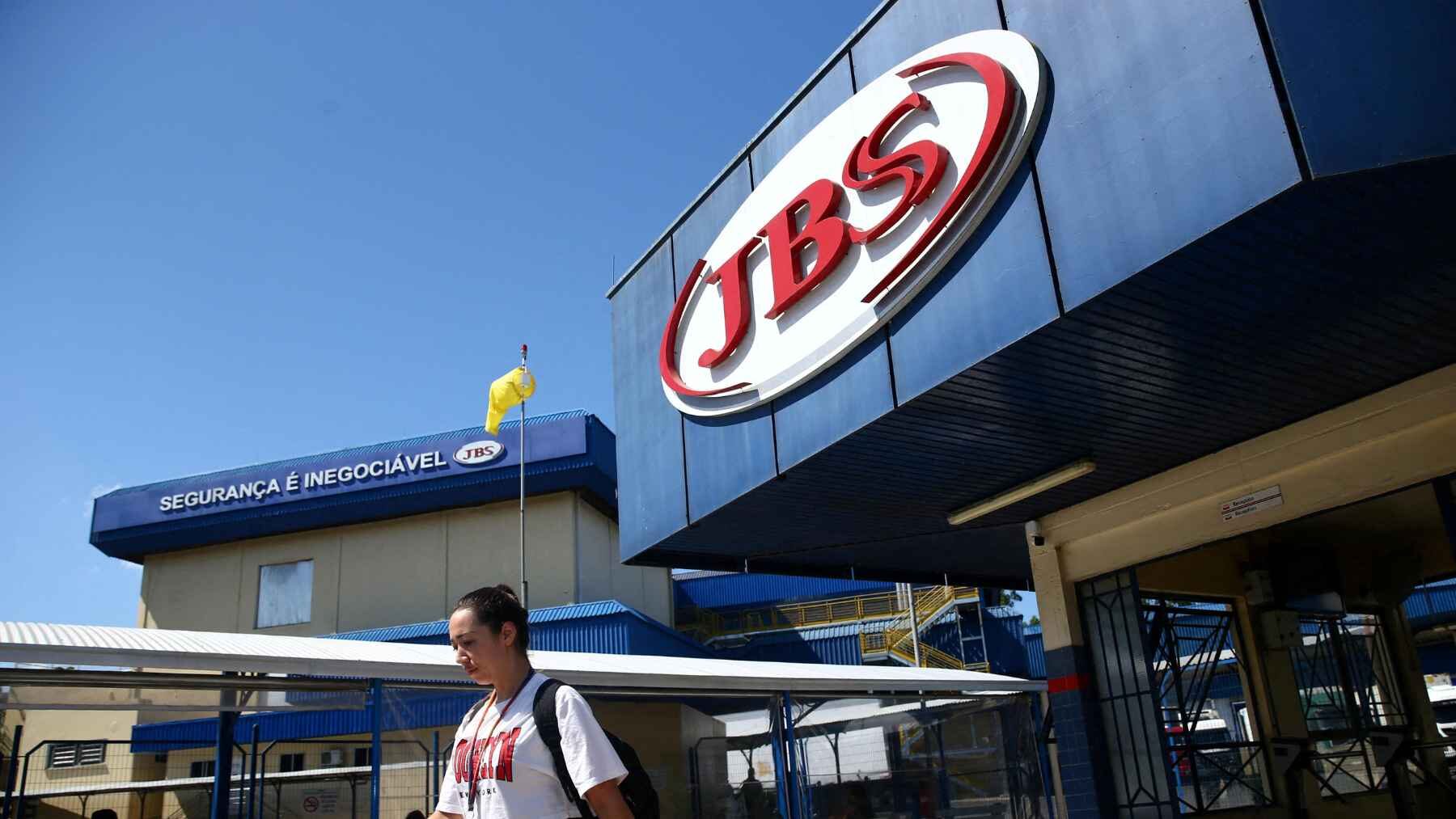
JBS, the world’s largest meat company, is facing a Dutch court petition that could force it to reveal how a planned $6 billion global expansion fits with its climate, nature, and human-rights responsibilities. Greenpeace Netherlands filed the request with the Amsterdam District Court after saying the company refused to provide the information sought in an earlier letter.
The immediate dispute is about transparency, not a final order blocking factories or awarding damages. Still, the outcome could matter far beyond one company because it tests whether a global food producer must show its environmental homework before committing billions of dollars to new capacity. At the center of it all is Nigeria.
What Greenpeace wants from the court
Greenpeace first sought records under a Dutch evidence-gathering rule that took effect on Jan. 1, 2025. After JBS rejected that request, the group asked the court for preliminary evidence measures, which are essentially a court-supervised fact-finding step before a full lawsuit over the company’s conduct.
The requested material covers greenhouse gas emissions, land-use change, ecosystem impacts, supply chain controls, human-rights risks, and consultations with affected communities. Greenpeace says it needs those files to judge whether JBS is meeting what the group describes as its Dutch “duty of care,” meaning reasonable efforts to identify and prevent foreseeable harm.
Nigeria is the pressure point
JBS and the Nigerian government announced a $2.5 billion investment plan in November 2024. The five-year proposal includes six processing plants, with three for poultry, two for beef, and one for pork, making Nigeria the largest single piece of the wider expansion program.
The company presents the project as a food-security and development plan that could reduce imports, create jobs, and support small farmers. Its announcement said feasibility studies, initial designs, budgets, and a supply chain action plan would be developed, but the underlying agreement and any completed impact assessments have not been made public, according to the court petition.
Elujulo Opeyemi of the Youth in Agroecology and Restoration Network has called for a pause until a clear cost-benefit analysis can be completed. Separately, Nigeria’s Federal Ministry of Information reported that Niger State would make 1.2 million hectares available for the investment. That is approximately 3 million acres, illustrating just how much land could become connected to the project.
Methane raises the climate stakes
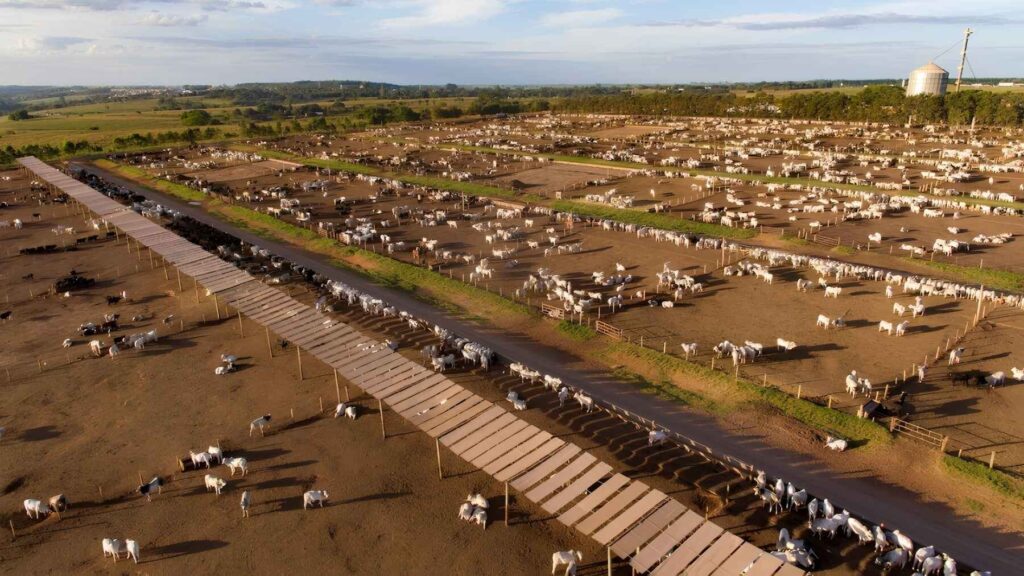
Processing plants need a steady supply of animals, feed, water, energy, roads, and land, so new capacity can influence farming systems far beyond the factory gates.
Cattle and other ruminants release methane during digestion, while manure is another source. The United Nations Environment Programme estimates livestock accounts for roughly 32% of human-caused methane emissions, and cutting methane can slow warming relatively quickly because the gas is powerful but shorter-lived than carbon dioxide.
That is why Greenpeace is seeking Scope 3 data. Scope 3 means emissions across a company’s wider value chain, including animals raised by suppliers, feed production, and land cleared to support production. For a meat company, those indirect sources can form a large share of the overall climate footprint.
JBS climate language faces scrutiny
Greenpeace says JBS has stepped back from earlier sustainability promises, including language around reaching net-zero emissions by 2040. The company’s 2025 annual report describes the 2040 goal as an “ambition to strive for” and places greater emphasis on reductions it directly controls, along with lowering Scope 3 emissions intensity.
Emissions intensity measures pollution per unit of production. That can show efficiency gains, but total emissions may still rise when output grows faster, which is exactly why absolute figures matter during a $6 billion expansion. Think of a more efficient car that is driven many more miles.
JBS did not address the merits of the new petition in its response to The Guardian. It said it “does not comment on potential legal proceedings of which it has not been notified.”
The Dutch move changed the rules
JBS was founded in Brazil in 1953, but its new Dutch holding company became the parent of the group in June 2025. Its shares began trading on the New York Stock Exchange days later, widening access to international investors.
The relocation also created a legal pressure point. Greenpeace argues that a corporation choosing a Dutch home must meet Dutch standards on evidence, accountability, and corporate conduct, even when the projects under examination are thousands of miles away.
That makes this more than a dispute over six factories. JBS reported record revenue of $86 billion in 2025, so its investment choices can shape livestock markets, land use, and supply chains across several continents. Scale changes the consequences.
What happens next
The Amsterdam court will assess the request for preliminary evidence measures. Greenpeace wants JBS ordered to provide documents, including the Nigeria agreement and environmental assessments, while witness testimony and independent expert review are proposed as alternatives for some categories of information.
A disclosure order would not automatically cancel the Nigerian investment or prove that JBS broke the law. It would open the records needed for a possible later case. Sometimes the first climate battle is not over a smokestack or a forest clearing, but over who gets to see the numbers.
The petition has been published by Greenpeace Netherlands.