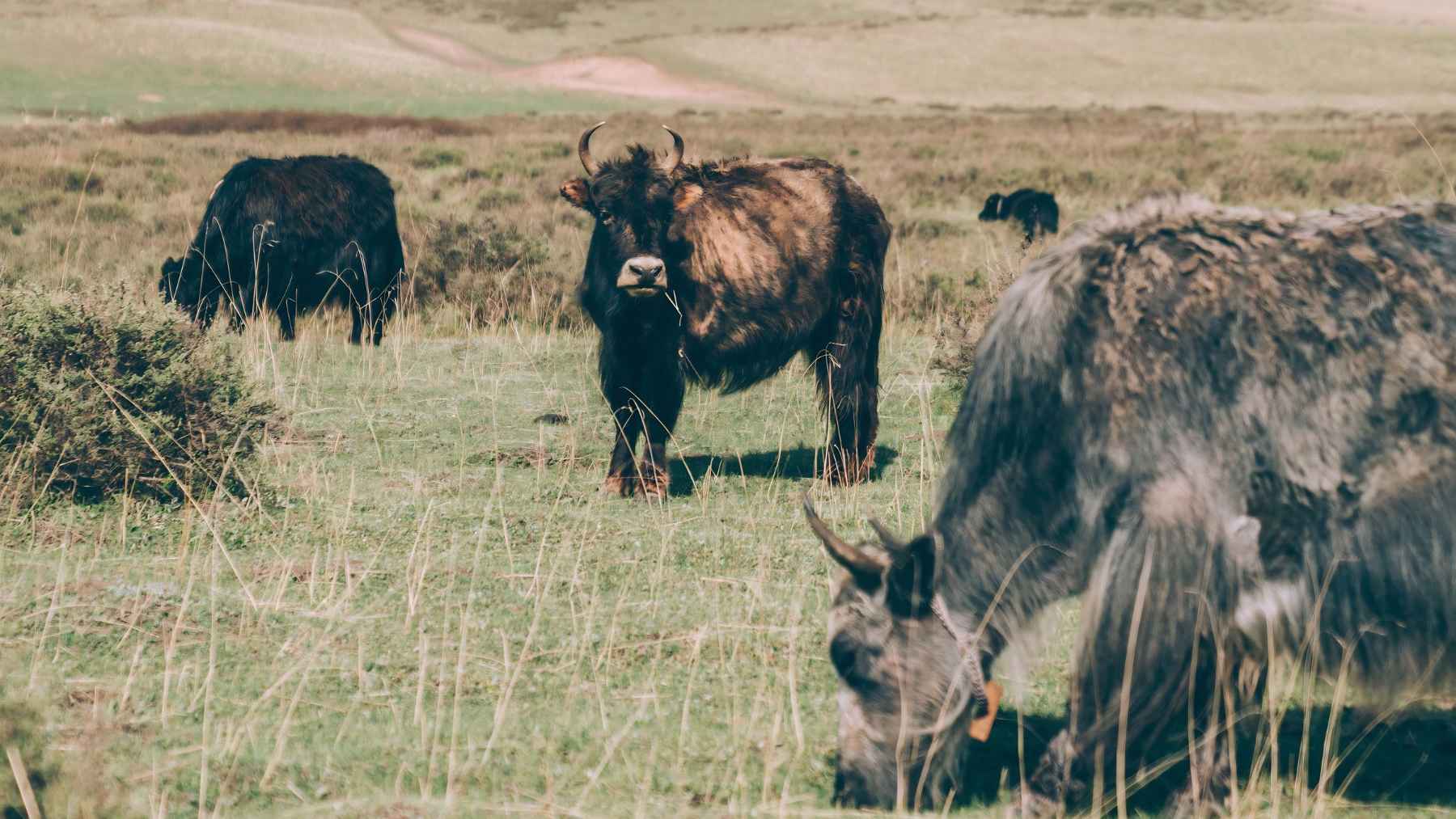
Researchers studying animal droppings from the Qinghai-Tibetan Plateau have uncovered a vast hidden world of microbes, with more than 88% of the species-level genomes appearing to represent potentially unknown species. It is not every day that yak, sheep, antelope, cattle, horse, and wild ass feces become the center of a major scientific discovery, but that is exactly what happened here.
The discovery matters because these microbes are not just biological curiosities. The new catalog could help scientists search for enzymes, antimicrobial compounds, gene-editing tools, and even biological pathways that might one day help curb methane from livestock, although much of that promise still needs real-world testing.
A microbial map from the roof of the world
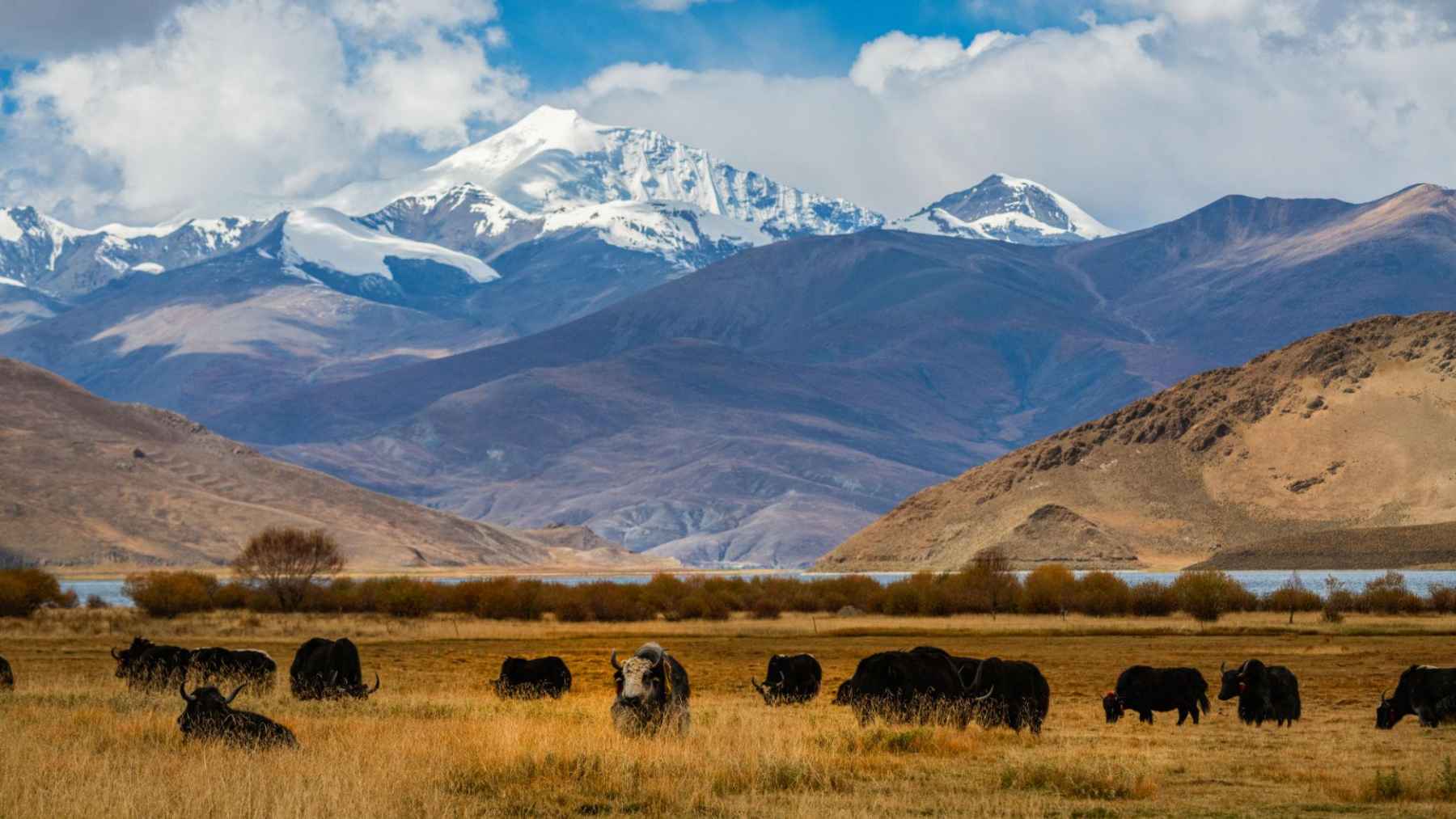
The study focused on large herbivores living in the Qinghai-Tibetan Plateau, a harsh high-altitude region often called the “Third Pole.” BGI Group describes the plateau as averaging about 14,800 feet above sea level, where cold, thin air and tough vegetation make survival a daily biological test.
Over five years, researchers from Yunnan University and BGI-Research collected more than 5,000 fresh fecal samples from six native or local herbivorous mammals. In the phase reported in Microbiome, they analyzed 1,412 samples from yaks, Tibetan sheep, Tibetan antelopes, Tibetan cattle, Tibetan horses, and Tibetan asses, also known as kiangs.
Think about that for a second. What looks like waste on the ground can be, under a genome sequencer, a living archive of how animals digest plants, adapt to cold, and share microbes across evolutionary time.
Thousands of species nobody had cataloged
The team recovered 14,062 high-confidence species-level genome bins, a technical term for reconstructed microbial genomes grouped at roughly the species level. More than 88% of those were potentially novel, meaning they did not match known species in existing databases.
That does not mean every one of these microbes has already been grown in a lab or turned into a product. It means scientists now have a much larger map, and maps matter. Before you can study a hidden ecosystem in detail, you have to know what is there.
The researchers also built a non-redundant gene catalog of more than 19.8 million genes from the plateau animal microbiomes. That gives scientists a much deeper starting point to search for useful biological functions.
Why animal guts matter
Herbivores survive by breaking down plant material that most humans could never digest. That job depends heavily on gut microbes, especially when the menu includes fibrous grasses and plants growing in a freezing, high-altitude environment.
The study suggests that host history and microbial history are closely intertwined. The researchers found signals that microbial communities partly mirror the evolutionary relationships of their animal hosts, while also showing signs of microbes moving between host species.
That is the fascinating part. The gut is not just a digestive tube. To a large extent, it is a busy biological neighborhood shaped by diet, habitat, evolution, and chance encounters.
A possible boost for biotechnology
BGI Group said the genomic data have been made publicly available and could support work on gene-editing tools, antimicrobial peptides, and other biotechnology products. The team also found thousands of biosynthetic gene clusters, which are stretches of DNA that can help microbes produce biologically active compounds.
That is why pharmacology researchers may be paying attention. Many useful drugs and antimicrobial compounds have microbial roots, and unexplored microbes can sometimes carry chemical tricks that familiar organisms do not.
Li Xiaoping, a co-first author from BGI-Research, described the gut microbiota of animals in special habitats as a “treasure trove” still waiting to be explored. That may sound poetic, but it fits the science pretty well.
The climate angle
There is also an environmental question hanging over the discovery. Livestock methane is a major concern for climate policy, and methane from digestion is one of the reasons cattle and other ruminants are watched so closely by climate scientists.
According to the background information, researchers identified bacterial candidates that reduced methane in early fermentation tests compared with controls, and they are preparing animal experiments to validate those results. That is promising, but it is still early. Lab results do not always behave the same way inside a living animal.
Still, the idea is easy to understand. If microbes help produce methane in the gut, then different microbes or microbial pathways might help reduce it. For farmers, climate officials, and anyone watching extreme weather creep closer to everyday life, that is a lead worth following.
Cellulose, paper, and future uses
The same study also points toward microbes that may help break down cellulose, the tough plant fiber found in grasses, wood, and crop residues. BGI Group said the team had identified several functional bacterial strains, including 13 novel strains capable of efficiently degrading cellulose.
That could matter for industries such as paper, textiles, and biomass processing, where breaking down plant material efficiently can save energy and reduce waste. Picture the difference between forcing a machine to do all the hard work and letting a specialized microbe lend a hand.
However, here again, caution is important. Finding a useful strain is only the beginning. Researchers still have to test whether it works safely, consistently, and affordably outside the lab.
What happens next
The big takeaway is not that animal feces will magically solve climate change or deliver tomorrow’s medicines overnight. The real news is that a remote ecosystem has opened a door into a largely unknown microbial world, and that world may contain tools science has not learned how to use yet.
At the end of the day, this study is a reminder that biodiversity is not only found in forests, coral reefs, or colorful animals. Sometimes, it is hiding in plain sight, under the hooves of animals tough enough to live where the air is thin and the winters bite.
The study was published in Microbiome.