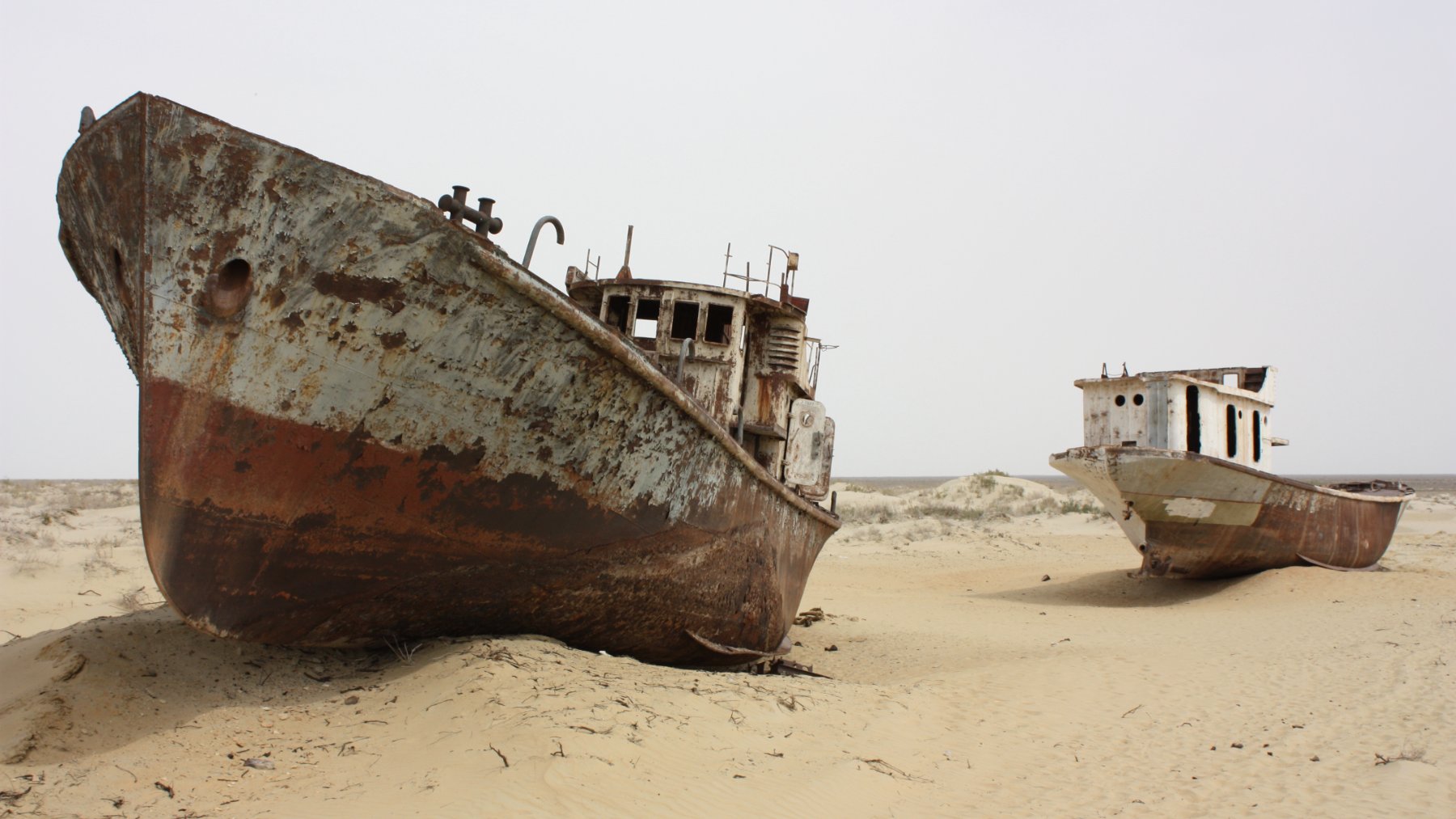
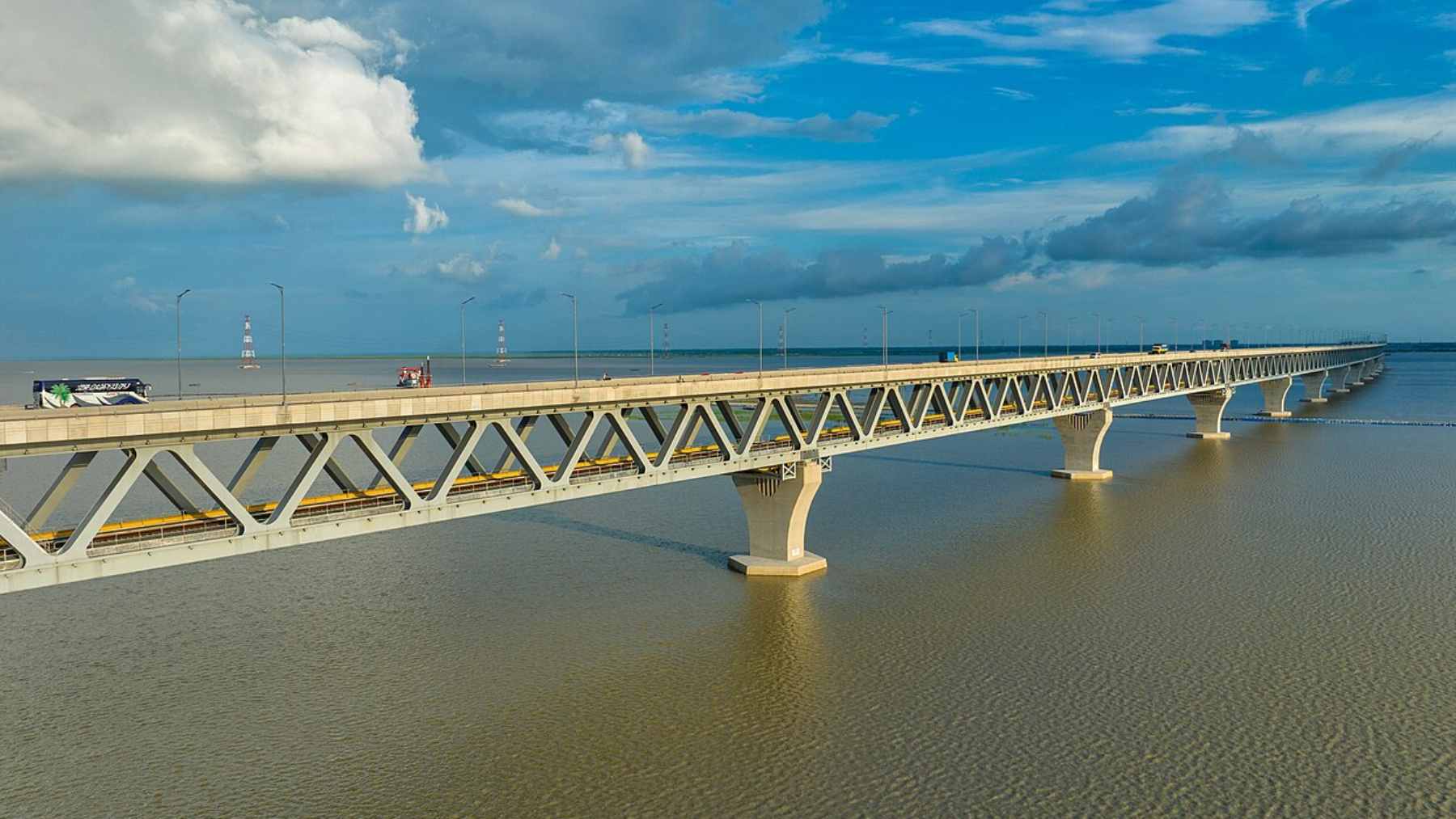
Bangladesh has approved the first phase of a giant Padma River barrage meant to hold water after the monsoon ends and fields begin to dry out. The project centers on a 1.3-mile structure at Pangsha in Rajbari and is designed to store about 766 billion gallons of water for dry-season use.
At stake is not just a new concrete landmark. For millions of people, water in the Padma system can decide whether crops grow, canals keep moving, fish survive, and saltwater stays away from farms and homes. Government descriptions say the plan could benefit around 70 million people while easing long-running pressure linked to low dry-season flows.
A river project built around timing
Bangladesh gets heavy rain during the monsoon, then faces a much harder question when the water drops. What happens in the dry months, when irrigation channels shrink and farmers still need water for rice, fish ponds, and daily life?
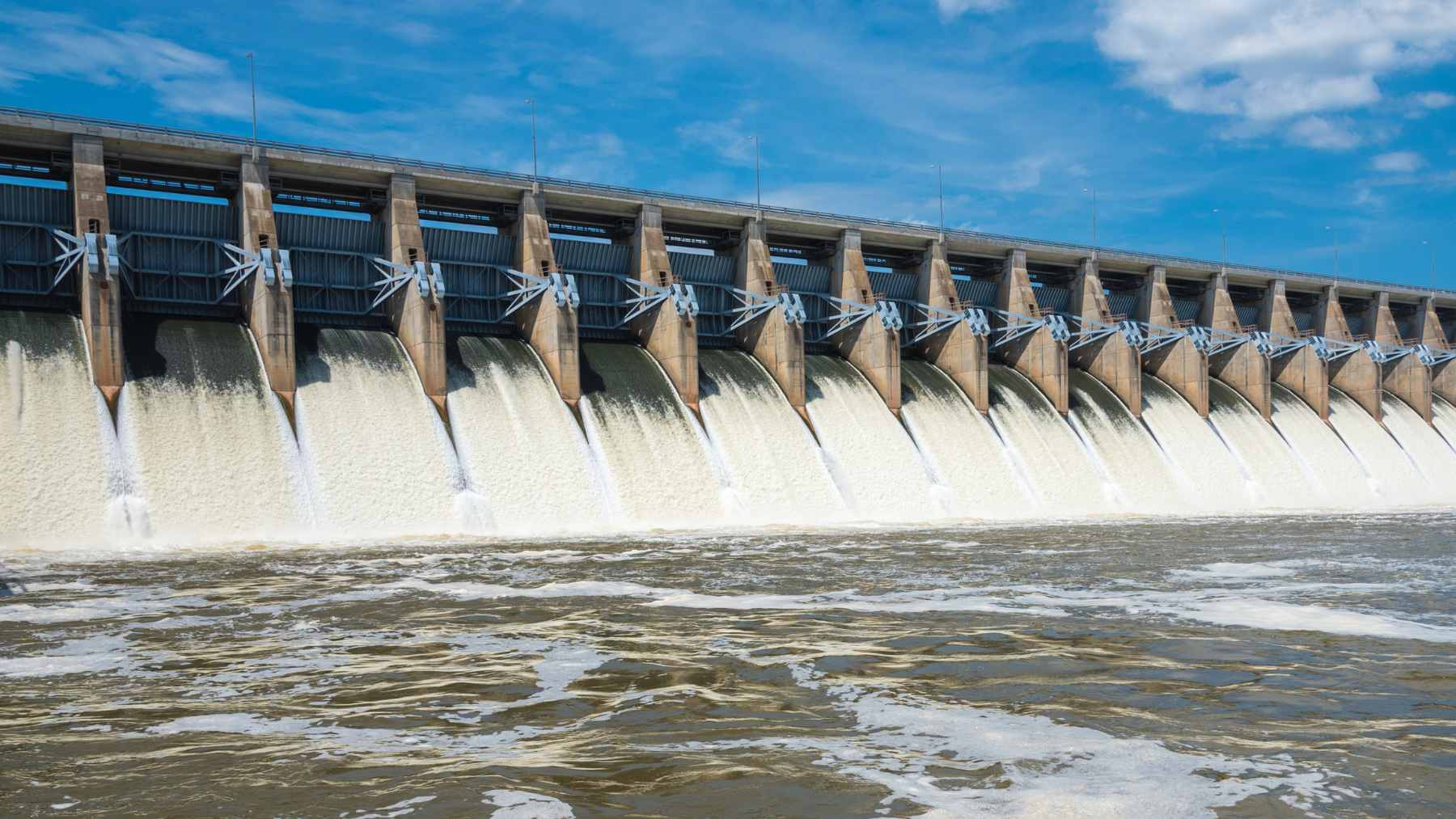
A barrage is not exactly the same as a classic dam. It uses gates to manage river levels, holding water back at one time and releasing it at another. Think of it as a controlled pause button on a river, although nature rarely makes that job simple.
The Executive Committee of the National Economic Council approved the first phase on May 13, 2026. The work is expected to run from July 2026 to June 2033, with the Ministry of Water Resources leading the project and the Bangladesh Water Development Board carrying it out with government funding.
Why the Padma River matters
The Ganges becomes the Padma when it flows into Bangladesh. That river supports farming, fisheries, drinking water supplies, transport, and fragile ecosystems in a country where rivers are part of everyday survival.
Water Resources Minister Md. Shahiduddin Chowdhury Anee said, “At least 70 million people across one-third of the country will benefit from this project.” The planned first phase is valued at roughly $2.8 billion, a huge public bet on water security at a time when shortages are felt far beyond the riverbank.
The project also arrives in a sensitive diplomatic moment. Bangladesh has long linked dry-season stress in the Padma basin to India’s Farakka Barrage upstream, while the 1996 Ganges Water Treaty between the two countries is set to expire in 2026, according to India’s Ministry of External Affairs.
What the barrage includes
The plan calls for a main barrage with spillways, undersluice gates, fish passes, a navigation lock, guide bunds, and embankments. In plain English, those features are meant to move extra water, control sediment, let fish pass, keep boats moving, and protect nearby land from erosion.
Project documents also describe new structures to send stored water into other channels and river systems. The goal is to revive degraded rivers, including the Gorai-Madhumati system, and improve freshwater movement in areas that have seen severe decline over decades.
There is an energy piece too, though water is the main story. Hydropower plants tied to the barrage and related infrastructure are expected to generate 113 megawatts, a modest but useful addition if the project works as planned.
Farms, saltwater, and daily life
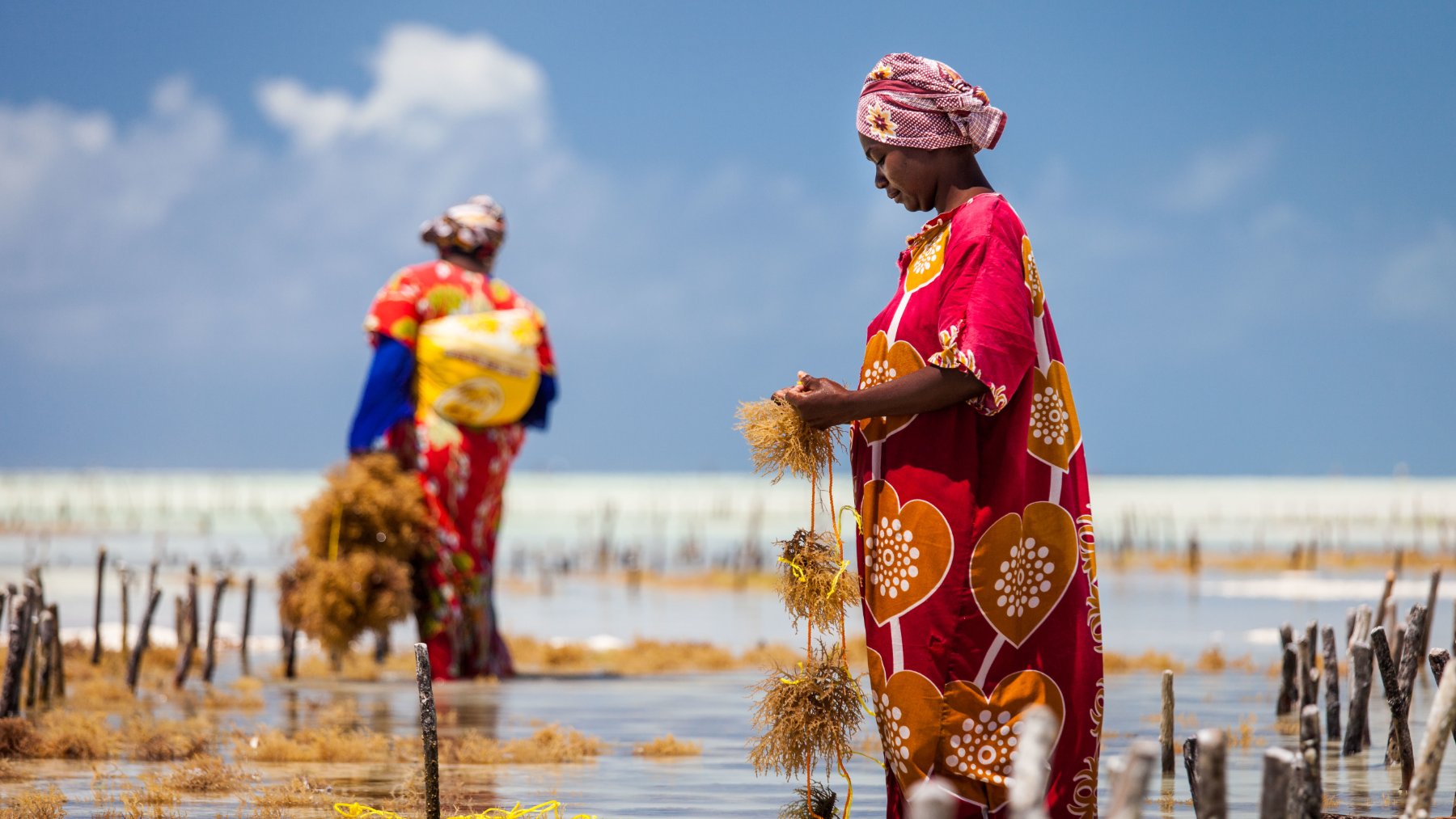
One major target is salinity intrusion, which happens when salty water pushes into freshwater rivers, soil, and groundwater. For a farmer, that can mean weaker crops. For a family, it can show up as bad drinking water, lower fish catches, or higher food prices at the market.
World Bank research has warned that climate change is likely to increase river salinity in southwest coastal Bangladesh by 2050, with likely shortages of drinking and irrigation water in the dry season. It also found that higher soil salinity could reduce some high-yield rice output by 15.6 percent in affected coastal areas.
That is why supporters see the Padma Barrage as more than a construction project. If stored monsoon water can be released at the right time, it could help irrigation across large farming zones, with earlier project documents pointing to potential benefits for about 7.2 million acres of cultivable land.
The hard part is not just building it
Mega river works carry risks. Critics and water experts warn that a barrage can store water, but it cannot create water if upstream flow is too low. That is the uncomfortable part of the story, and it keeps the India-Bangladesh water-sharing issue in the background.
There is also the matter of sediment, which is basically the soil and mineral material that rivers carry downstream. It may sound like mud, but for a delta country it helps build land, feed wetlands, and protect coastal areas.
Experts have warned that trapping too much sediment could worsen erosion, raise riverbeds, or weaken the delta over time.
So the Padma Barrage is both a promise and a test. It could help Bangladesh manage dry-season water, protect farms, and reduce saltwater pressure, but only if engineering, environmental safeguards, financing, and diplomacy all line up.
The official project approval details have been published by Bangladesh Sangbad Sangstha.