The Chattahoochee River used to be the kind of place many people avoided. For years, parts of this 430-mile waterway were linked with sewage, sludge, foul smells, and water that could be too risky for a casual paddle.
Now the story looks very different, at least for the most part. After decades of cleanup and public access work, the river is gaining parks, trails, kayak launches, campsites, and a bigger role in everyday life around metro Atlanta. But one major fish kill in May 2026 showed that a river comeback can be real and still fragile.
A river rebuilt
The Chattahoochee begins as a small mountain stream in north Georgia and runs toward the Florida border, where it meets the Flint River. Along the way, it drains about 8,770 square miles and remains one of Georgia’s most important water resources.
That scale is part of why its revival matters. A dirty river is not just an eyesore. It can affect fishing, wildlife, recreation, and the water systems people depend on every day. Chattahoochee Riverkeeper, a nonprofit established in 1994, monitors water quality, conducts research, and pushes for cleaner water.
A new path to the water
The next chapter is not only about making the river cleaner. It is also about making it easier to reach. Trust for Public Land and more than 80 partners have worked on a vision for 100 miles of trails and parks that would connect 19 cities across seven counties.
This means more places to walk, paddle, camp, bike, picnic, or simply sit by the water after a long week. Plans connected with the RiverLands project include 42 water access points and eight campsites, turning sections of riverbank that once felt cut off into public gathering spots.
A park with a launch
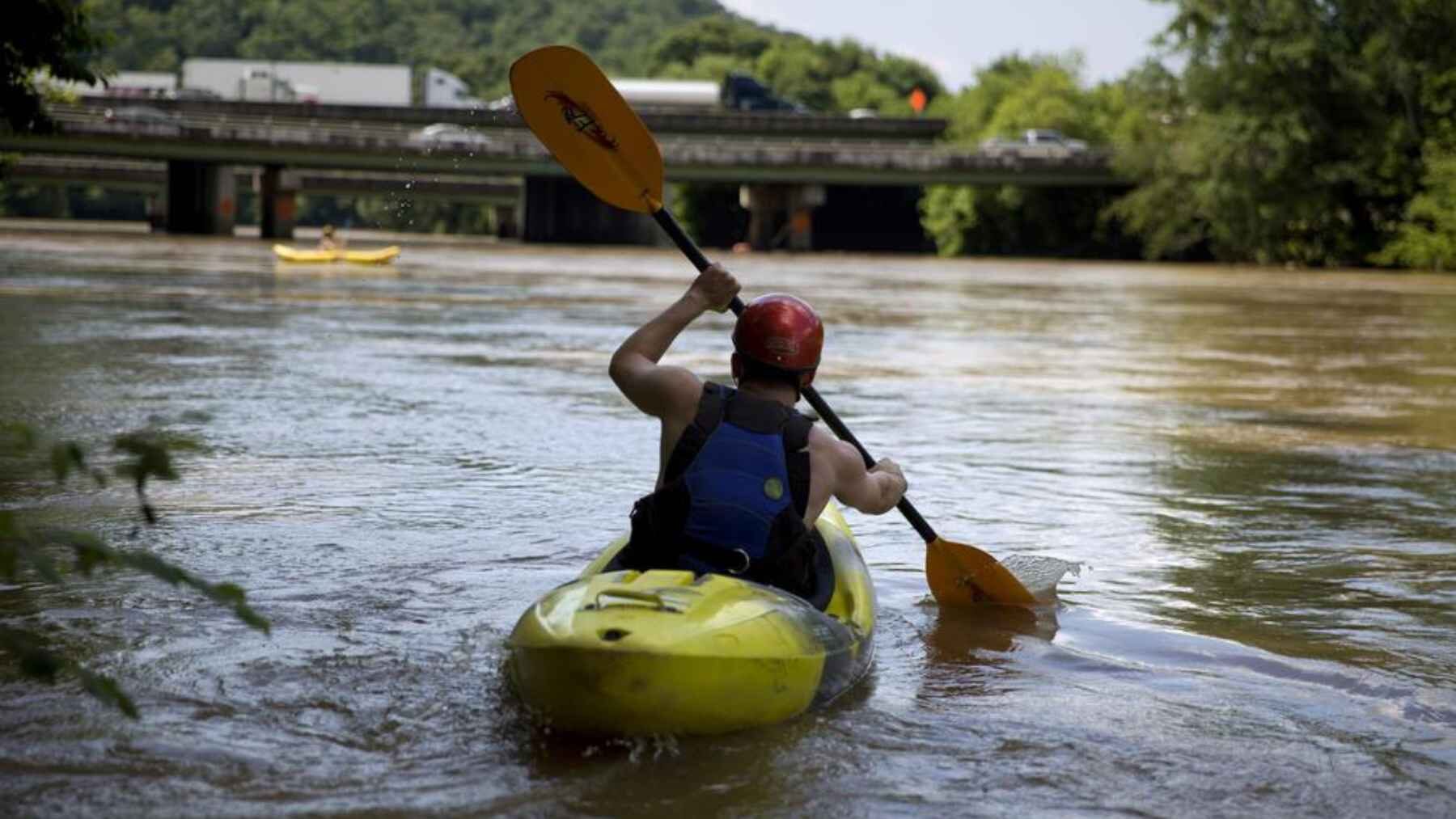
New RiverLands Park shows what that idea can look like on the ground. The 260-acre site in Chattahoochee Hills opened with campsites, accessible restrooms and showers, a covered picnic area, grills, a fire pit, and a fully accessible kayak launch with a floating dock.
For visitors, those details matter. A launch that works for more bodies and abilities changes who gets to enjoy the river, not just who sees it from a bridge or a passing car. Writer Charles Bethea captured the change after traveling along the river, saying a gathering there “couldn’t have happened on this stretch of the Chattahoochee a generation ago.”
The river pushed back
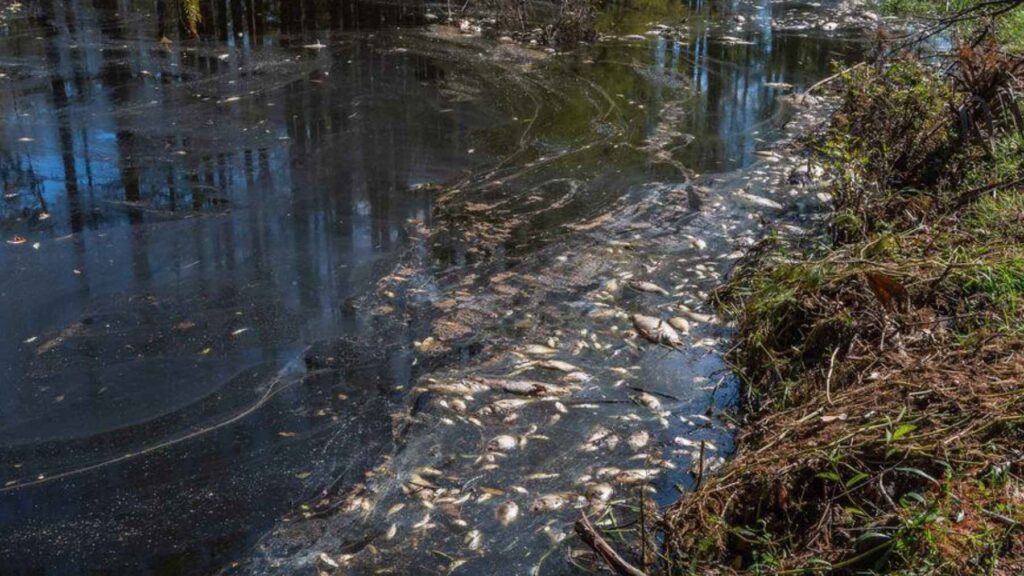
Then came a warning. After intense storms in May 2026, thousands of fish were found dead downstream of Peachtree Creek. Later reporting from the river watchdog said state wildlife investigators counted more than 44,000 dead fish across a 16-mile stretch.
What happened? In simple terms, too much dirty water hit a stressed river too fast. On May 20, about three inches of rain fell in one hour, sending polluted stormwater into Peachtree Creek and Atlanta’s combined sewer system.
The watchdog linked the fish kill to drought, a rush of polluted stormwater, sewage overflow, warm water, and a sudden crash in the oxygen fish need to survive. Jason Ulseth, the group’s riverkeeper and executive director, said “operational failures played a role” in the West Area Tunnel overflow.
Stormwater and E. coli
Stormwater runoff is rain that races over streets, parking lots, roofs, dog parks, and construction areas before entering creeks and rivers. It can pick up oil, trash, pet waste, dirt, and other pollutants along the way. That sticky summer heat we all know can make things worse because warm water holds less oxygen.
The same stormy pattern can also raise E. coli concerns. E. coli is a type of bacteria often used as a warning sign that fecal contamination may be present in water. It does not always mean every splash is dangerous, yet it tells swimmers, paddlers, and families to pay attention.
The BacteriALERT program uses real-time data from three monitoring stations in the Chattahoochee River National Recreation Area to estimate E. coli levels and help people judge possible health risks. Water samples are also collected weekly, usually on Thursdays, and posted within 24 hours.
Why access matters
More trails and launches may sound like a recreation story, but the stakes are larger. When people can reach a river, they are more likely to notice what is happening to it. They see the clean stretches, but also the trash, muddy water, and the dead fish that should not be there.
That matters because the Chattahoochee is not just scenery. In RiverLands materials, founding riverkeeper Sally Bethea describes it as a relatively small river that helps supply drinking water for five million people. The river can be an outdoor classroom, a weekend escape, and a warning light all at once.
A comeback still in progress
For the Chattahoochee, progress is visible in the simplest ways. Kayaks slide into the water, picnic tables fill up, and families can find access points that were not there before. That is real change.
The May 2026 fish kill made one thing hard to ignore, however. A river can look alive and still be vulnerable when drought, heat, sewage, and extreme rain collide. The trouble is, the clock is moving faster than old infrastructure.
At the end of the day, the river’s future will not be judged only by trail mileage or ribbon cuttings. It will be judged by whether the water remains safe enough for fish, families, and the communities that depend on it.
The official project information was published on Chattahoochee RiverLands’ website.