Morocco’s national water program carries an estimated $14.4 billion price tag. It combines giant seawater desalination plants, transfers between river basins, new dams, treated wastewater, and repairs to leaky networks. Effectively, the country is trying to turn water from a weather gamble into dependable infrastructure for homes, businesses, and farms.
The timing may seem surprising. In January 2026, officials said heavy rain and snow had ended a seven-year drought, lifting average reservoir levels to 46%. One wet winter, however, cannot reverse decades of falling water availability, and it offers no guarantee about the next rainy season.
A water system built beyond rainfall
Morocco has less water to share than it once did. An official assessment found that renewable water available per person fell from about 676,000 gal. a year in 1960 to roughly 164,000 gal. in 2020, a drop of about three quarters. Much of the surface water is also concentrated in the wetter northwest, far from many fast-growing cities and farms.
That uneven map helps explain the scale of the response. The National Program for Potable Water Supply and Irrigation is designed to expand storage, protect groundwater, reduce network losses, reuse treated wastewater, and add water that does not depend on rain. For city residents, the basic promise is straightforward, with taps meant to keep running even when reservoirs shrink.
Casablanca becomes the flagship
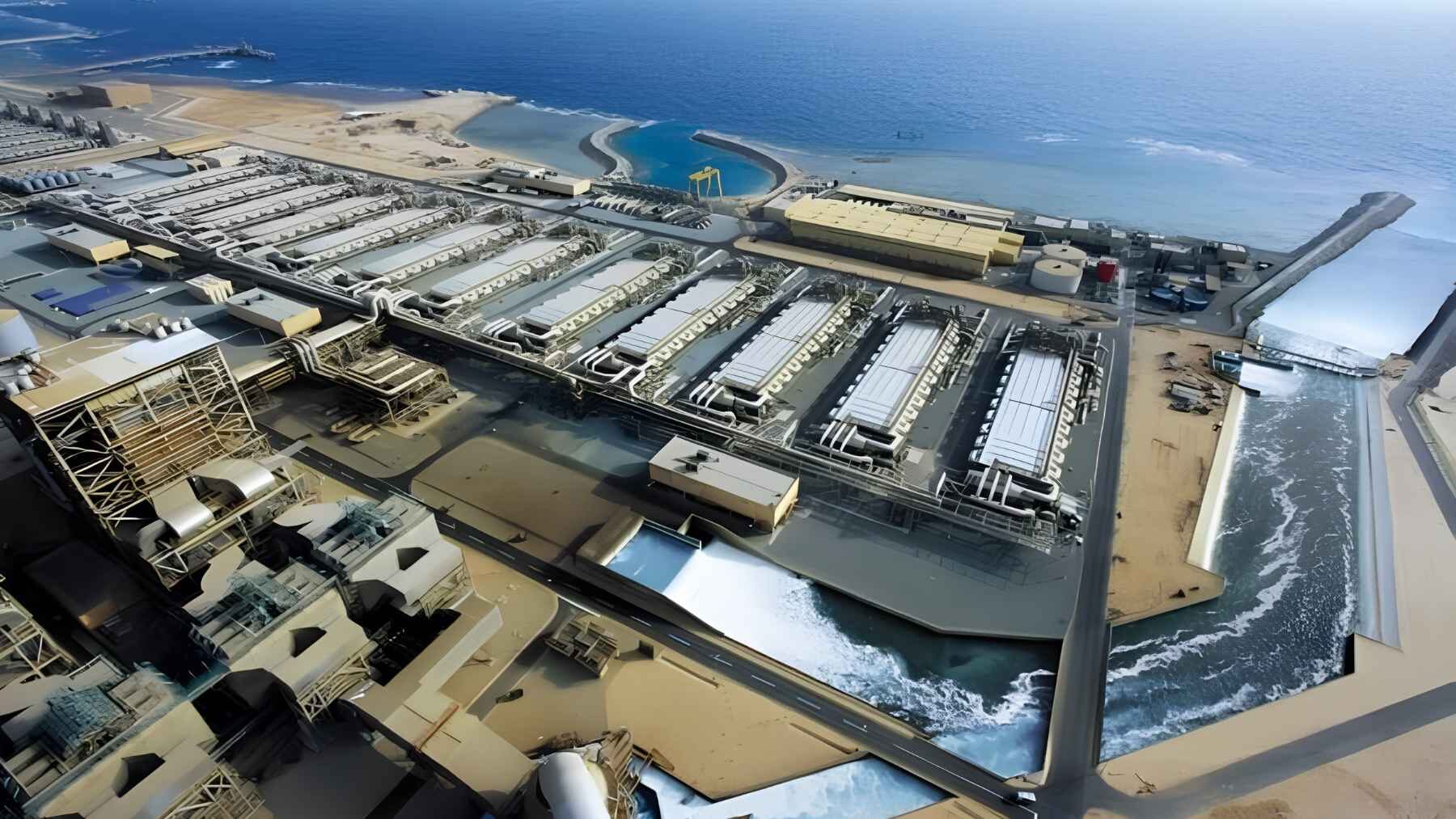
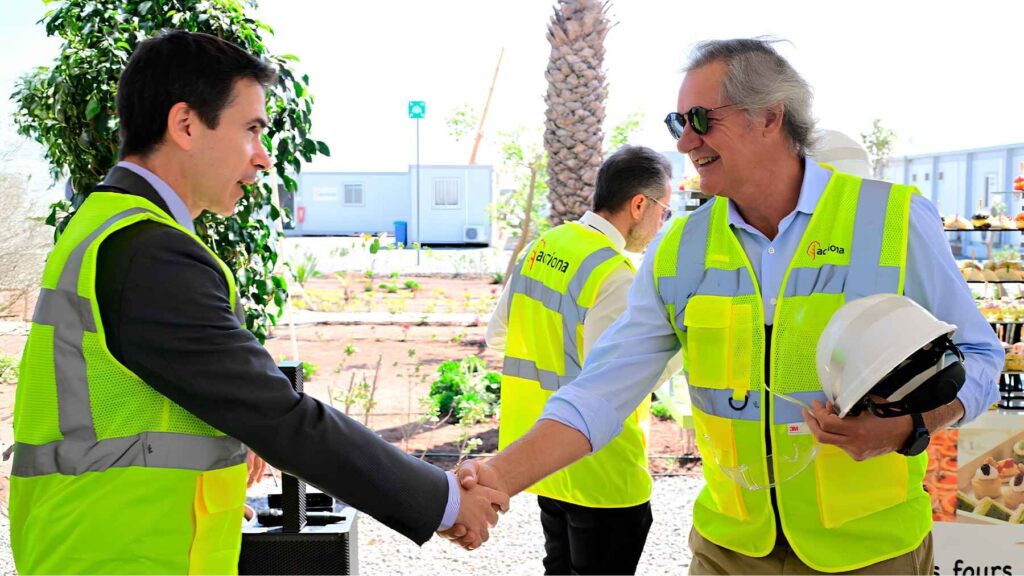
The clearest symbol is the new Casablanca desalination plant on the Atlantic coast. Its planned annual capacity is about 79 billion gal., enough to serve an estimated 7.5 million people while also supplying irrigation water. The public-private project is being developed by a consortium led by ACCIONA for Morocco’s National Office of Electricity and Drinking Water.
Desalination removes salt from seawater by forcing it through very fine filters, a process called reverse osmosis. It uses a great deal of electricity, so the Casablanca complex is being paired with a wind farm to reduce emissions and reliance on conventional power. The plant is designed to run entirely on renewable power.
Water highways rebalance the map
Desalination helps coastal cities, but it cannot solve every shortage inland. Morocco is also building what officials often describe as water highways, large pipelines and canals that move supplies from wetter river basins in the north toward the center and south. By March 2025, one major link between the Sebou and Bouregreg basins was moving about 343 million gal. a day.
More interconnections are now planned. By the government’s current estimates, future projects could shift about 264 billion to 317 billion gal. each year toward areas under greater stress. Think of it as a national plumbing system, only on the scale of rivers.
Restrictions exposed the human cost
Infrastructure takes years to finish, so emergency rules filled the gap during the worst of the drought. In Casablanca, measures introduced in 2024 limited the use of drinking water for washing streets and cars, watering lawns, and repeatedly filling swimming pools. Authorities also restricted network flow and ordered temporary closures for car washes and traditional bathhouses.
Those rules were meant to save water, but they also hit workers and small businesses. The bathhouse sector supports about 200,000 people directly or indirectly, so a three-day shutdown reached far beyond the tiled steam rooms. An earlier official assessment put farming at 85% of surface-water withdrawals, showing why city restrictions alone cannot close the gap.
Desalination is not a free pass
Turning seawater into drinking water sounds like an endless solution, though the sea does not provide a blank check. The United Nations Environment Programme warns that desalination creates concentrated salty waste known as brine, which can damage coastal ecosystems without proper dilution and monitoring. Plants also need steady power, even when the wind slows or electricity prices rise.
That is why conservation still matters. Repairing leaks, metering use, reusing treated wastewater, and protecting underground reserves can stretch every gallon before another plant is built. Otherwise, new supply may simply chase rising demand.
Why Morocco is pressing ahead
Morocco aims to obtain 60% of its drinking water from the sea by 2030, up from about one quarter in late 2025, while expanding annual desalination output toward roughly 449 billion gal.. Water Minister Nizar Baraka said, “All new desalination plants will be powered by renewable energy.” That would make desalination a core public utility rather than an emergency backup.
Will the plan work as intended? To a large extent, the answer will depend on cost, environmental safeguards, fair access, and whether farms and cities become more efficient at the same time. Even after the rains returned, Morocco kept building, because the larger threat was never just one dry season.
Official program details were published on the World Bank’s website.