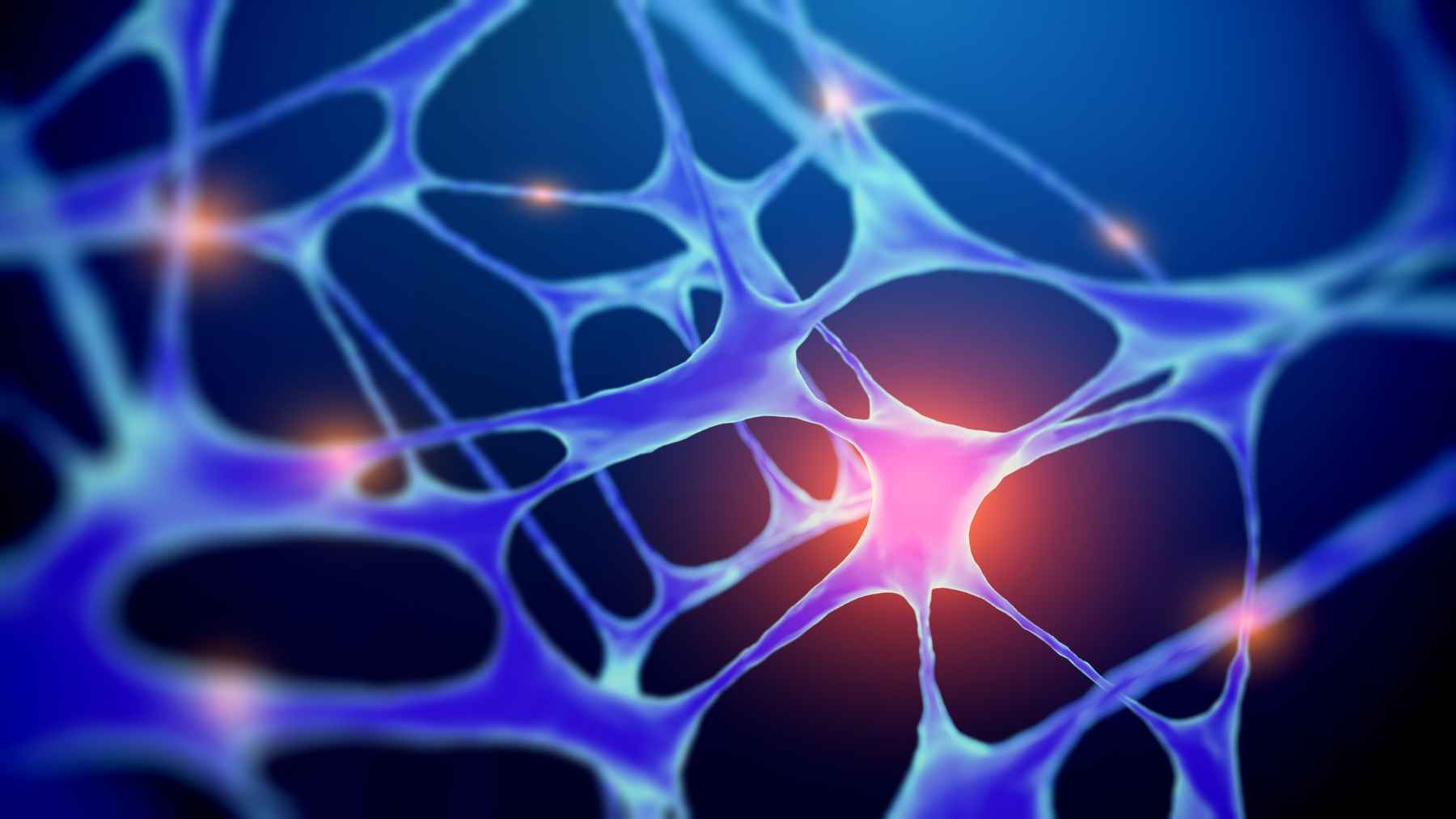
Freezing living tissue usually ends with the same villain, ice. As water turns to crystals, it can tear up the tiny connections between brain cells, which is why “just freeze it” rarely works for complex organs.
Now a team reporting in the Proceedings of the National Academy of Sciences says the adult mouse hippocampus can restart electrical and metabolic activity after being cooled into a glass-like state through vitrification, an ice-free form of cryopreservation.
It is not a revived animal or a preserved mind, but it is a striking demonstration that some adult brain circuitry can come back online after a deep cryogenic pause.
A brain circuit that wakes up after a cryogenic pause
The hippocampus helps the brain build and retrieve memories, and it is sensitive to stress. In the new study, researchers vitrified adult mouse hippocampal slices and also attempted whole-brain vitrification in place, then tested whether the tissue could function after rewarming.
In slice experiments, they report preserved structure, metabolism, and electrical signaling after cryogenic storage. In the in situ approach, brains were stored around minus 220°F, then used to prepare slices for testing, with low success rates.
That shift matters because it moves the conversation from “can we keep the shape” to “can it still work.” For many labs, it also raises a practical question, could you run today’s experiment on tissue prepared last week, or shared across institutions?
How vitrification sidesteps the ice problem
Vitrification aims to cool tissue so fast, and with so much water replaced by cryoprotective chemicals, that ice crystals never get a chance to form. Instead, the remaining liquid becomes an amorphous solid, essentially a biological “glass,” where molecular motion is shut down.
In this work, the team used a solution they call V3, based on an earlier vitrification mix. It included dimethyl sulfoxide, ethylene glycol, formamide, and polyvinylpyrrolidone K12, with the goal of blocking crystallization while limiting toxicity.
The practical details are very “lab real.” Hippocampal slices about 350 micrometers thick (roughly 0.014 inches) were cooled on a liquid-nitrogen-cooled surface (about minus 321°F), then rapidly rewarmed to avoid ice during warmup.
What the team measured and what stayed intact
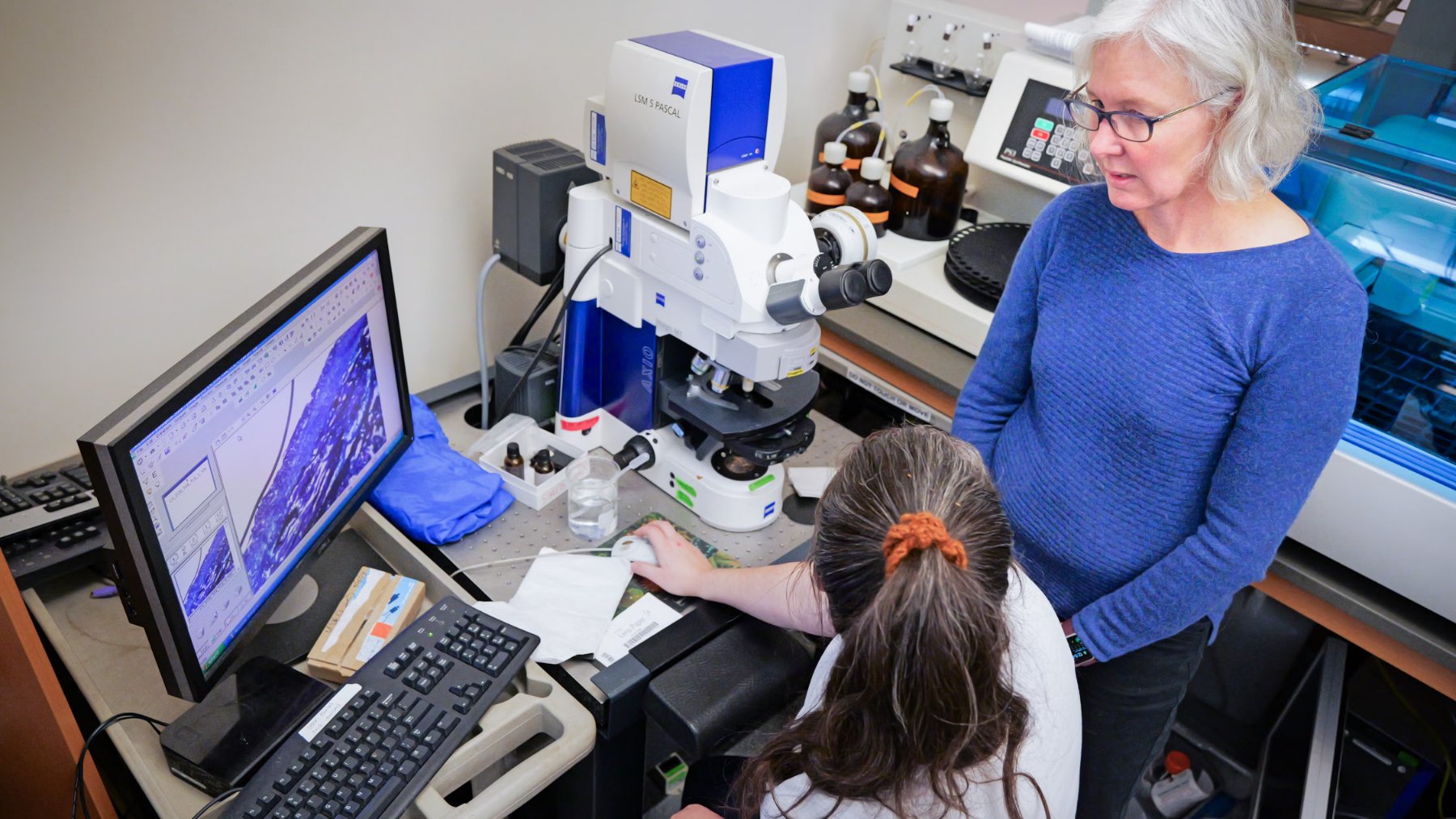
The researchers did not rely on a single readout. They combined microscopy with metabolic tests and electrophysiology, which is the gold standard for showing that neurons are communicating rather than just looking intact.
One of the most watched signals was long-term potentiation, or LTP, a sustained strengthening of synapses that neuroscientists use as a window into the biology of learning. In slices, LTP at a major hippocampal synapse was reported at about 158% of baseline in controls and about 138% after vitrification, a difference that did not reach statistical significance in their experiment.
There were tradeoffs. Short-term plasticity was often weaker after vitrification, and some neuron types were less excitable, suggesting the tissue was not perfectly “reset.” The metabolic data also showed dose-dependent stress from cryoprotectants, with basal oxygen use dropping from about 173 to about 80 picomoles per minute at the highest concentration they tested.
A sustainability angle hiding in a neuroscience paper
Could brain cryopreservation reduce environmental impact? It is not obvious at first glance, but the authors point to near-term uses that overlap with sustainability, especially reproducibility and animal welfare. If a lab can bank viable brain tissue and run experiments later, fewer animals may be needed to repeat the same protocols across different weeks, equipment, or locations.
That kind of “time shifting” can also cut everyday lab waste. When experiments fail due to scheduling problems or inconsistent preparation, the result is often more animals, more plastic, and more reagents used to start over. A reliable way to pause tissue could help teams plan better and share material more efficiently.
Still, this is early-stage work in mice, and the authors caution against treating it as a straight path to preserving whole human brains or other large organs. The most honest takeaway for now is narrower: a protocol that keeps adult brain tissue functional long enough to do real measurements after rewarming.
The energy cost of “ultra cold” science
Here is the catch that matters for the planet. Cold storage is one of the quiet energy drains in modern research, the kind you only notice when you hear the constant hum in a hallway and then see the electric bill.
The U.S. Department of Energy has reported that a conventional ultra-low temperature freezer can use about 20 kilowatt-hours per day, roughly the daily electricity use of an average U.S. household. ENERGY STAR makes a similar point when describing why lab-grade cold storage is a priority for efficiency upgrades.
And it is not just the freezer itself. A Smart Labs case study notes that a typical ultra-low temperature freezer can add to building cooling demand, which means more air conditioning during that sticky summer heat.
Programs like My Green Lab’s Freezer Challenge encourage labs to consolidate inventories, retire older units, and sometimes raise a minus 80°C set point (minus 112°F) to minus 70°C (minus 94°F) when samples allow, a change some university guidance links to about a 30% energy cut.
What to watch next
The science is compelling, but it is not magic. The observation window after rewarming was short, and whole-brain vitrification in place had a low success rate, which underlines how hard it is to scale beyond thin slices.
There are also governance questions that belong in any discussion. The paper discloses patent filings tied to the methods, which can speed real-world development but also shapes who controls access and cost.
At the end of the day, this study reads like proof that nature’s circuitry is more resilient than we assumed, even after being cooled into a glassy standstill.
The study was published in PNAS.