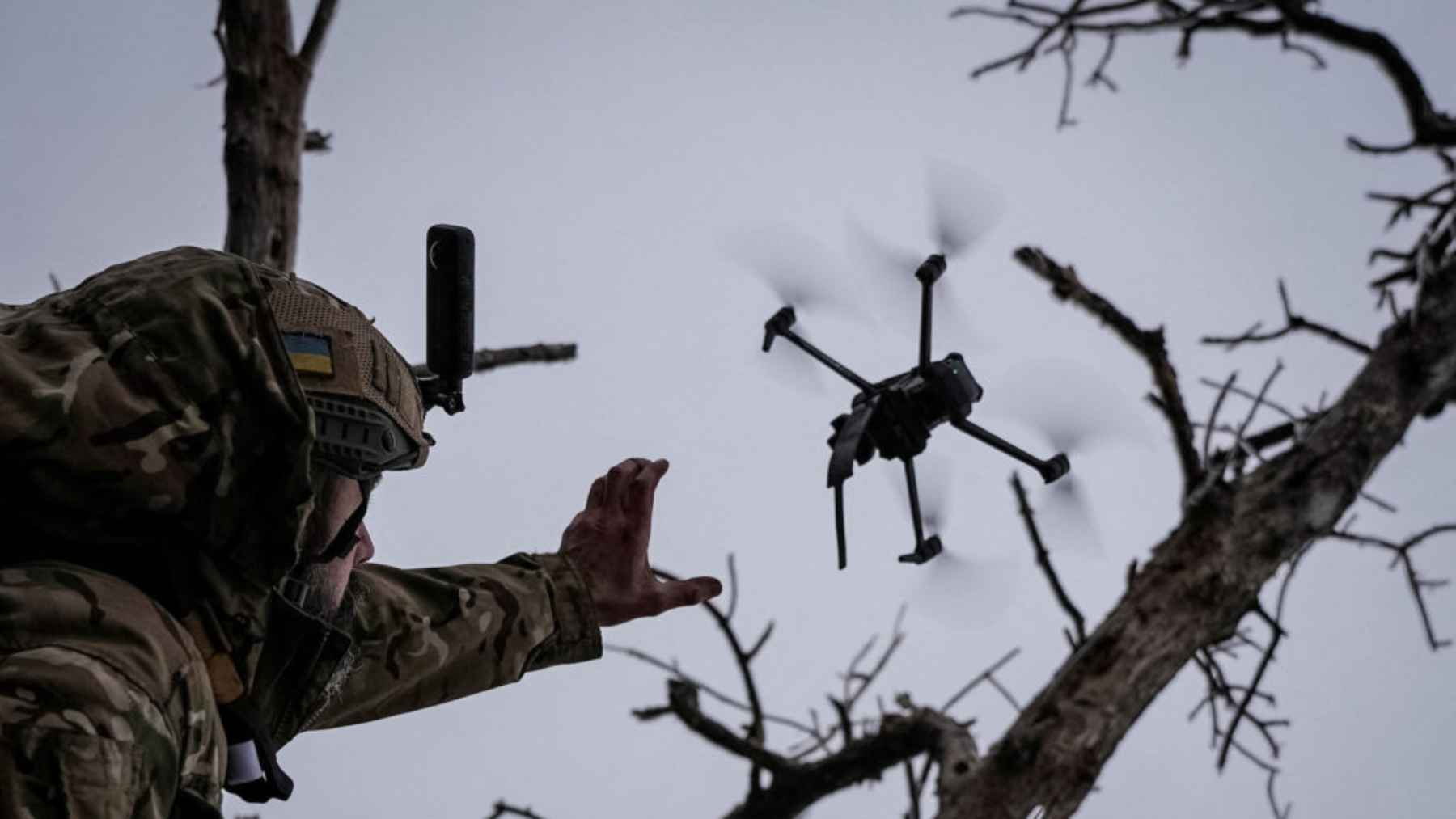
If you have ever tried to hide a Wi-Fi router behind a houseplant, you get the basic idea. Ukrainian officials say Russian forces are hiding communication antennas inside fake “trees” so Ukrainian drones will miss them during aerial searches.
It sounds simple, almost silly, until you remember what those antennas do. They help relay battlefield orders and support systems that jam signals or steer drones, and that makes them a prime target when the sky is full of cameras.
Antennas are the giveaway
On a modern battlefield, radio gear can be as valuable as ammunition. Electronic warfare means using radio signals to jam or confuse enemy equipment, while signals intelligence is the practice of listening for transmissions to figure out who is where. Both rely on antennas, and antennas tend to stand out.
That creates a blunt problem. Antennas often need to be exposed to work well, so the very thing that keeps units connected can also make them easier to find.
Once an antenna is spotted, the consequences can arrive fast. A drone can flag the position, and other weapons can follow.
A fake tree trunk, real equipment
In early March 2026, Ukrainian-linked reporting described Russian units building decoy trees meant to blend into the landscape while hiding communications gear inside. Serhii Beskrestnov said the hunt for electronic warfare systems, signals intelligence assets, and drone control points is one of the most urgent tasks along the front line.
The basic recipe is a plastic mesh frame shaped like a trunk and canopy, coated with construction foam, then painted to match the ground below. The goal is to look like part of the environment when viewed from above.
Does it work? Sometimes, maybe. Ukrainian sources say drones keep detecting antennas anyway, which suggests shape alone is not enough when operators can zoom in and learn what looks off.
Cheap materials, high stakes
One thing that stands out is how low-tech the decoys are. Foam, plastic mesh, and paint are inexpensive, and the structures can be built quickly with basic tools. That matters in a war where gear gets destroyed and replaced constantly.
Still, the purpose is serious. If the hidden antenna supports jamming equipment or a drone control station, hiding it could keep attacks running longer and protect the people operating it.
It also shows how the war keeps drifting into a kind of battlefield DIY. A few dollars of materials can force the other side to spend extra time and extra drones on the search.
Drones turned camouflage into a daily contest
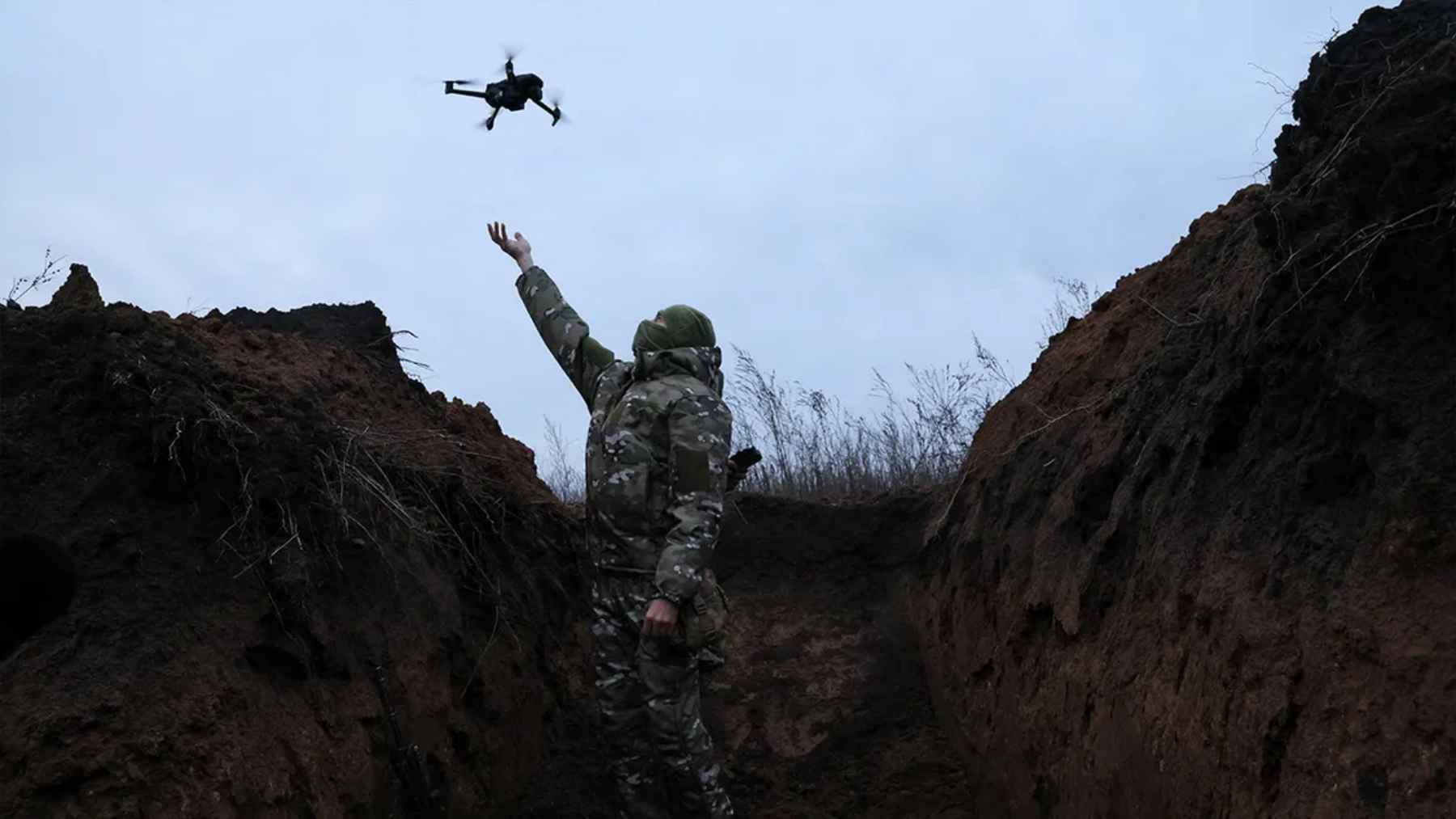
Why go to all this trouble in the first place? Because small drones have become a routine way to find targets that used to be hard to spot. A quadcopter with a camera can scan treelines, rooftops, and field roads, then pass coordinates along in minutes.
First-person-view drones, often called FPV drones, raise the pressure even more. They are flown by operators watching a live video feed, which lets them steer toward specific gear once something suspicious is spotted.
So camouflage is no longer just netting and paint. It is a daily contest between people searching from the sky and people trying to stay invisible on the ground, and the tactics change fast.
Starlink cuts and Russia’s backup plan
In early February 2026, Ukraine said Starlink terminals used by Russian troops had been deactivated, and Reuters said it could not independently verify the scale of the disruption. Ukraine also said it was working with SpaceX to compile a “white list” of approved terminals so unverified devices could be blocked. Defense Minister Mykhailo Fedorov wrote that “Starlinks included in the ‘white list’ are working” while Russian-used terminals had been blocked.
Starlink is satellite internet, which means it can work even when cell towers are damaged or absent. In practical terms, that kind of connection can keep units talking and keep drones receiving instructions.
With access disrupted, reports said Russian units were turning to domestic satellite systems called Yamal and Express. Those replacement terminals were described as using open satellite dishes about 2 to 4 feet wide, and one Ukrainian official said, “The dish will be visually open.” Ukrainian sources have also alleged Russia obtained thousands of Starlink terminals through intermediaries in countries such as Greece, the United Arab Emirates, Serbia, and Singapore.
A long backstory and a wider ripple effect
Starlink’s role in Ukraine goes back to February 2022. A Ukrainian government official publicly urged Elon Musk to provide service after the invasion, and Musk replied online that Starlink was active in Ukraine.
Since then, satellite internet has become part of the war’s invisible wiring, and the drone lessons from Ukraine are spreading. President Volodymyr Zelenskyy has said the United States asked Ukraine for help countering Iranian-made Shahed drones in the Middle East, drawing on Ukraine’s experience, according to Ukrinform.
The main report was published by Euromaidan Press.