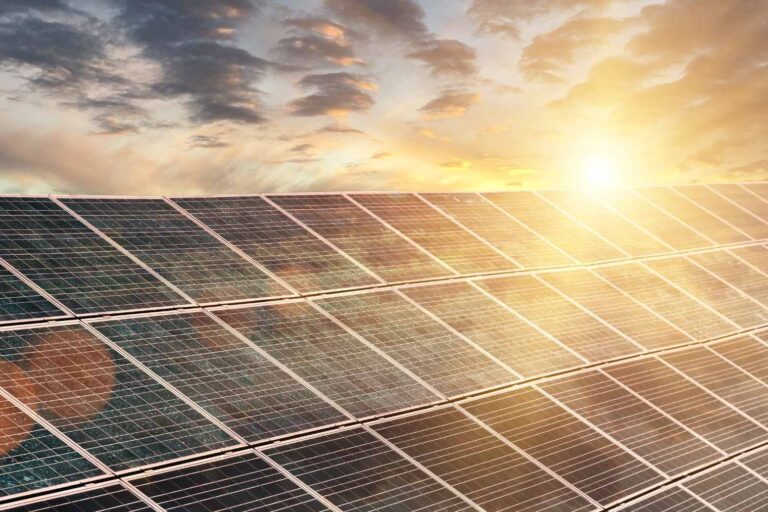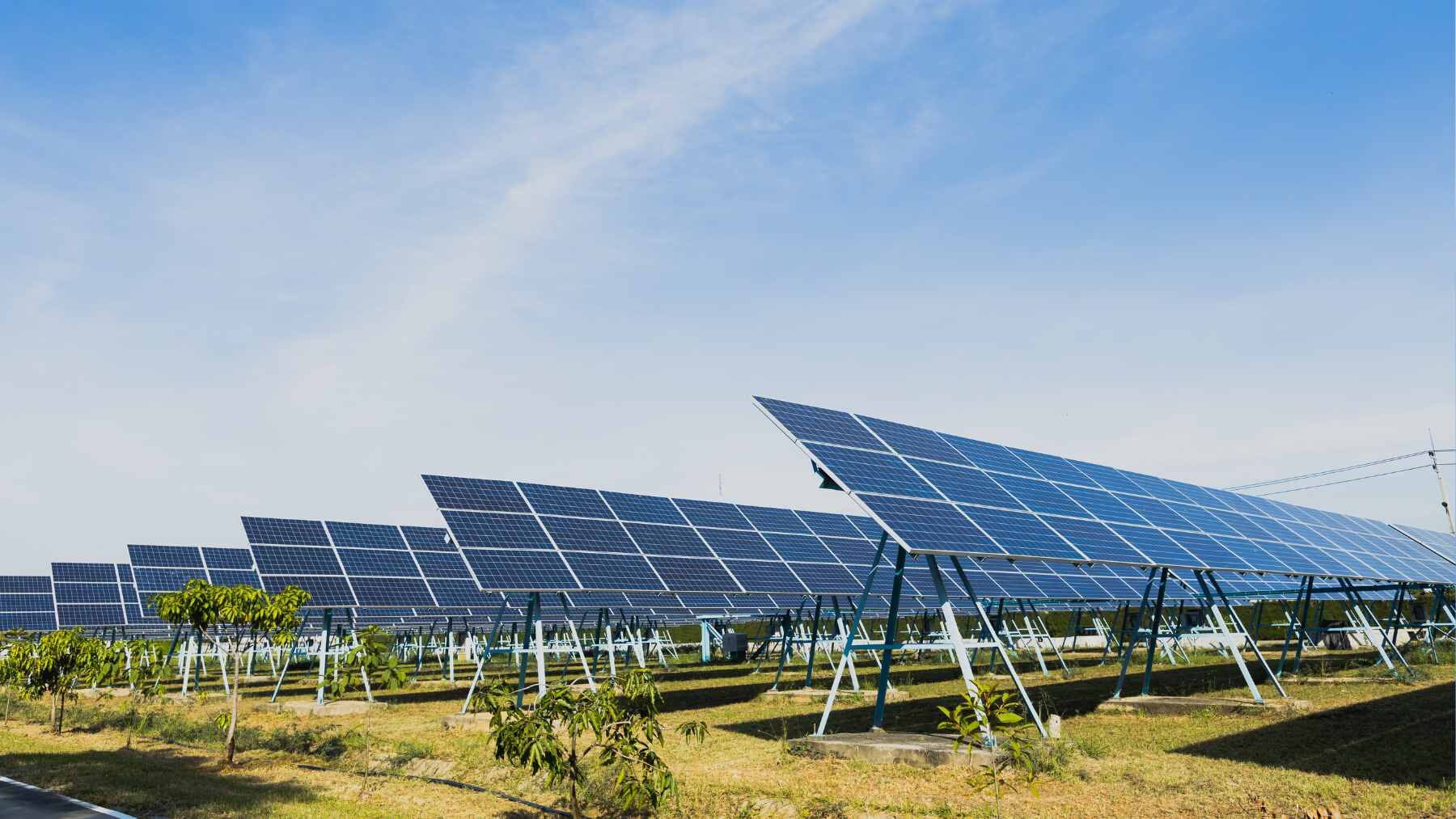
Can sunlight keep a steel mill running when the national grid cannot? Niger State in north-central Nigeria has handed 1,236 acres to Abuja Steel Mills Limited for a 200 MW solar project, a steel complex, and the AIG Industrial Park. The developer, a subsidiary of Raj Gupta’s African Industries Group, says the site could become the largest solar-powered steel operation in sub-Saharan Africa.
The headline number is impressive, but the real test is reliability. A dedicated solar supply could reduce the mill’s exposure to blackouts and costly diesel generators, yet solar electricity alone does not automatically turn conventional steel into “green steel.” The furnace technology, raw materials, storage, and backup power will decide how deep the emissions cuts really go.
Land handover sets the project in motion
Governor Mohammed Umaru Bago formally transferred the land during a groundbreaking ceremony in Sabon Wuse, within the Tafa area of Niger State. Officials presented the development as a combined solar farm, steel manufacturing complex, and industrial park rather than a stand-alone power station.
Abba Aliyu, managing director of Nigeria’s Rural Electrification Agency, identified the planned solar capacity as 200 MW and said it would power Abuja Steel Mills. Raj Gupta, chairman of African Industries Group, called the allocation “historic” and said its purpose included “development, upliftment and empowerment of people.”
Still, the superlatives need a little caution. The company says the finished operation could be the largest of its kind in sub-Saharan Africa, but the available official announcement did not provide a construction schedule, total investment cost, expected steel output, or battery capacity. For now, it is a major ambition backed by land and a groundbreaking ceremony.
Why reliable power matters
Nigeria’s electricity problems are not an abstract policy debate for manufacturers. A World Bank power-sector review reported that firms using gasoline and diesel generators could spend three to four times the cost-reflective electricity tariff, with large industrial users paying about 46 cents per kilowatt-hour. That kind of power bill can determine whether a factory expands, cuts shifts, or shuts equipment down.
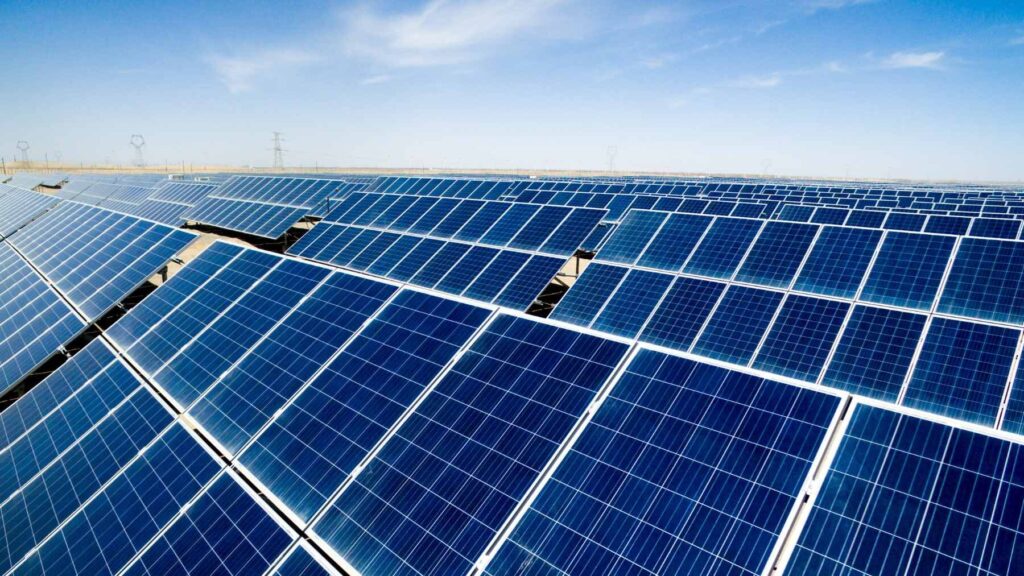
In practical terms, a dedicated solar system could mean fewer generator fumes, less engine noise, and more predictable energy costs. But steelmaking needs dependable power beyond daylight hours, so the final design will matter enormously. Batteries, grid connections, hydropower, gas, or another flexible source may still be needed, and those arrangements have not yet been fully disclosed.
Solar power is not automatically green steel
Steel is one of the hardest industries to decarbonize. The World Steel Association says the sector produces roughly 7 to 8 percent of global human-caused greenhouse gas emissions, while its 2024 average came to about 2.18 tons of carbon dioxide equivalent for every ton of steel. That is why a solar-powered mill attracts attention far beyond Nigeria.
Solar electricity can cut emissions linked to purchased power and reduce the use of diesel generators. But much of steel’s climate footprint can come from the process used to turn iron ore into iron, especially when coal, coke, or fossil gas is involved. Without details on the furnace route and feedstock, describing the future product as fully green steel would be premature.
What should readers watch for? The share of recycled scrap, the use of electric arc furnaces, the source of any direct-reduced iron, the amount of energy storage, and independently verified emissions per ton of steel. Those numbers will tell the real environmental story.
Niger State wants an industrial corridor
The solar steel project forms part of a much larger industrial plan. Bago said the state intends to designate about 494,000 additional acres along the Diko-Tafa corridor for manufacturing, using access to the Ajaokuta-Kaduna-Kano gas pipeline, strong solar resources, and hydropower from the Kainji, Jebba, Shiroro, and Zungeru dams.
That is a mixed-energy strategy, not a purely renewable one. It also shows why Niger State sees the steel complex as an anchor that could attract suppliers and other factories, much like a magnet pulling businesses into the same area. At the end of the day, the state is betting that reliable energy and available land can turn geography into jobs.
African Industries Group says it has operated in Nigeria for more than five decades and now has 31 manufacturing plants and more than 15,000 employees across 11 business lines. Federal officials argue that expanding domestic steel production could reduce imports and create employment, but the ceremony did not produce a confirmed project-specific job total.
What comes next
Land transfer is a milestone. It is not the same as a working power plant. The next meaningful disclosures should cover financing, permits, environmental and social reviews, community consultation, equipment orders, and a clear construction timetable.
Several practical questions remain open, including whether the project will publish a water-management plan, how it will operate through long cloudy periods, and whether excess electricity could reach nearby communities. The answers could make the difference between a large private power system and a broader regional development project.
If the 200 MW installation is completed and performs as promised, it could become an important test of renewable energy in African heavy industry. The real scorecard will be the clean electricity produced, diesel displaced, steel made, emissions reduced, and jobs recorded.
The official announcement was published on African Industries Group.