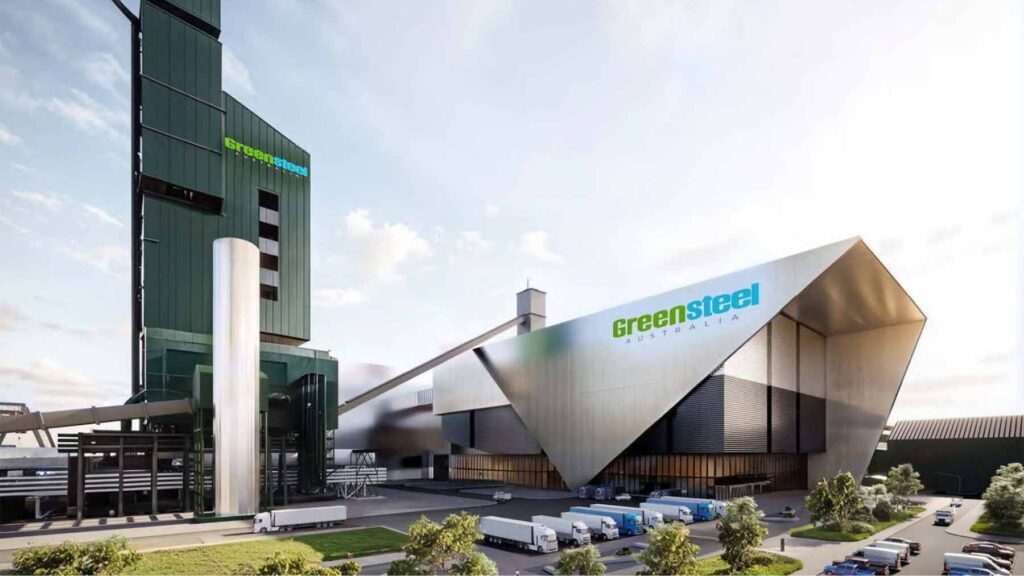
Steel manufacturing is set to return to Newcastle, Australia, with a very different kind of mill. Greensteel Australia plans to invest about $347 million in U.S. dollars in an all-electric facility at the former BHP site in Mayfield North, producing roughly 661,000 U.S. tons of finished steel a year and employing more than 200 full-time workers once operational.
The project could begin production in January 2028, provided it clears the remaining planning and development steps. Its biggest environmental promise is not that every part of the steel will be carbon-free, but that the Mayfield process will use no fossil gas and produce no direct carbon dioxide from heating.
Steel returns to Mayfield
The company has secured a 17.3-acre industrial site that once formed part of the BHP Newcastle Steelworks. BHP closed the plant in 1999, ending an era that had helped give Newcastle its identity as Australia’s “steel city.”
Greensteel Australia CEO Romany Ibrahim said government policy had made it possible to bring manufacturing back “where Australian steelmaking began and where it never should have left.” The line carries weight in a city where steel was once part of everyday life, from shift changes to crowded workshops and freight moving through the port.
Still, this is not a return to the old employment model. The former BHP works employed more than 13,000 people at its peak, while the new mill is expected to support just over 200 direct jobs, plus construction work and demand across local supply chains.
What the first phase will make
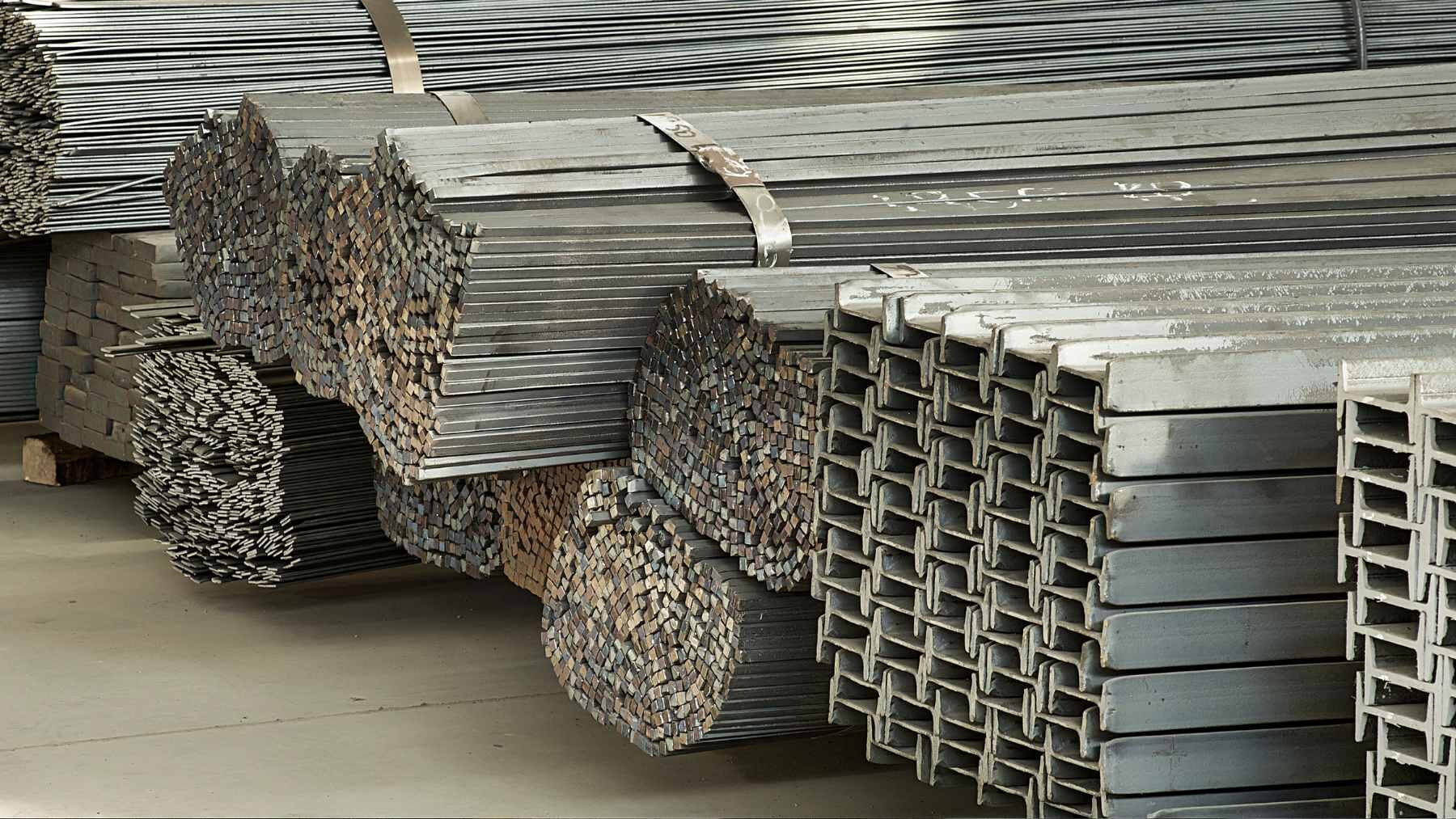
The initial plant will produce reinforcing bar, the ribbed steel used inside concrete for homes, bridges, roads, and other infrastructure. Wire rod and coil are planned for later stages, with output also intended for transport and energy projects.
There is an important distinction here. The first phase will take steel billets or slabs and process them in an electric rolling mill, rather than immediately turning Australian iron ore into finished steel from start to finish.
Greensteel’s broader plans include direct reduced iron equipment that can use hydrogen instead of coking coal, along with electric arc furnaces. But those later stages are separate from the current Mayfield announcement, and the company says more details about Stage 2 are still to come. “Mayfield is just the start,” Ibrahim said.
Why electricity changes the emissions math
Traditional reheating furnaces burn fossil fuels to reach the extreme temperatures needed for rolling steel. At Mayfield, electric induction technology supplied by Italy’s Danieli would replace those gas burners, removing direct carbon dioxide emissions from that part of production.
That matters because steel remains one of the world’s toughest industrial climate problems. The sector is responsible for about 7 to 8 percent of global human-caused greenhouse gas emissions, and worldsteel estimates that each ton of steel produced in 2024 was linked to an average of 2.18 tons of carbon dioxide equivalent across its value chain.
Think of the change as an industrial-scale move from a gas flame to induction cooking. The equipment can eliminate combustion at the mill, but the climate result still depends on where the electricity comes from and how the incoming steel was originally made.
Renewable power is the real test
Greensteel has signed a partnership with renewable energy developer ZEBRE to explore firmed clean electricity and battery storage for its Australian operations. ZEBRE brings a 437-megawatt renewable portfolio, while the companies are also considering a 400-megawatt battery system.
The wording matters. The parties are still working toward a definitive commercial agreement, so the renewable supply arrangement is not yet the same thing as a completed power contract.
Heavy industry cannot simply pause when the grid gets tight. In practical terms, the mill will need reliable electricity around the clock, with enough renewable generation and storage to keep production steady without pushing the environmental burden elsewhere.
Could local steel lower building costs
Greensteel Chairman Ross Garnaut argues that every ton made at Mayfield is a ton Australia will not have to import. The company says that could improve supply reliability, reduce exposure to volatile gas markets, and eventually ease prices for builders.
That outcome is possible, but it is not automatic. Greensteel has not promised a specific price reduction, and its statement says any downward pressure would emerge “over time,” so one new mill will not suddenly make housing affordable.
Even so, more domestic supply could remove some uncertainty from projects already squeezed by delays and rising costs. For a builder ordering reinforcing bar, fewer shipping disruptions and less dependence on gas prices may matter almost as much as the carbon label.
What happens next
Refurbishment is scheduled to begin before the end of 2026, with the main electric induction furnace expected to arrive from October 2027. The company is targeting January 2028 for operations, although detailed designs and a development application still have to move through the approval process.
The project is also a test of Australia’s “Future Made in Australia” strategy. Greensteel says federal and state policy created the confidence to invest, while industry reporting indicates the Mayfield project itself has not received government funding.
So, is Newcastle’s steel era really returning? Yes, but in a leaner, more electrified form, and its green credentials will ultimately be judged by the power it buys, the metal it feeds into the mill, and whether the promised production arrives on schedule.
The press release was published on Greensteel Australia.