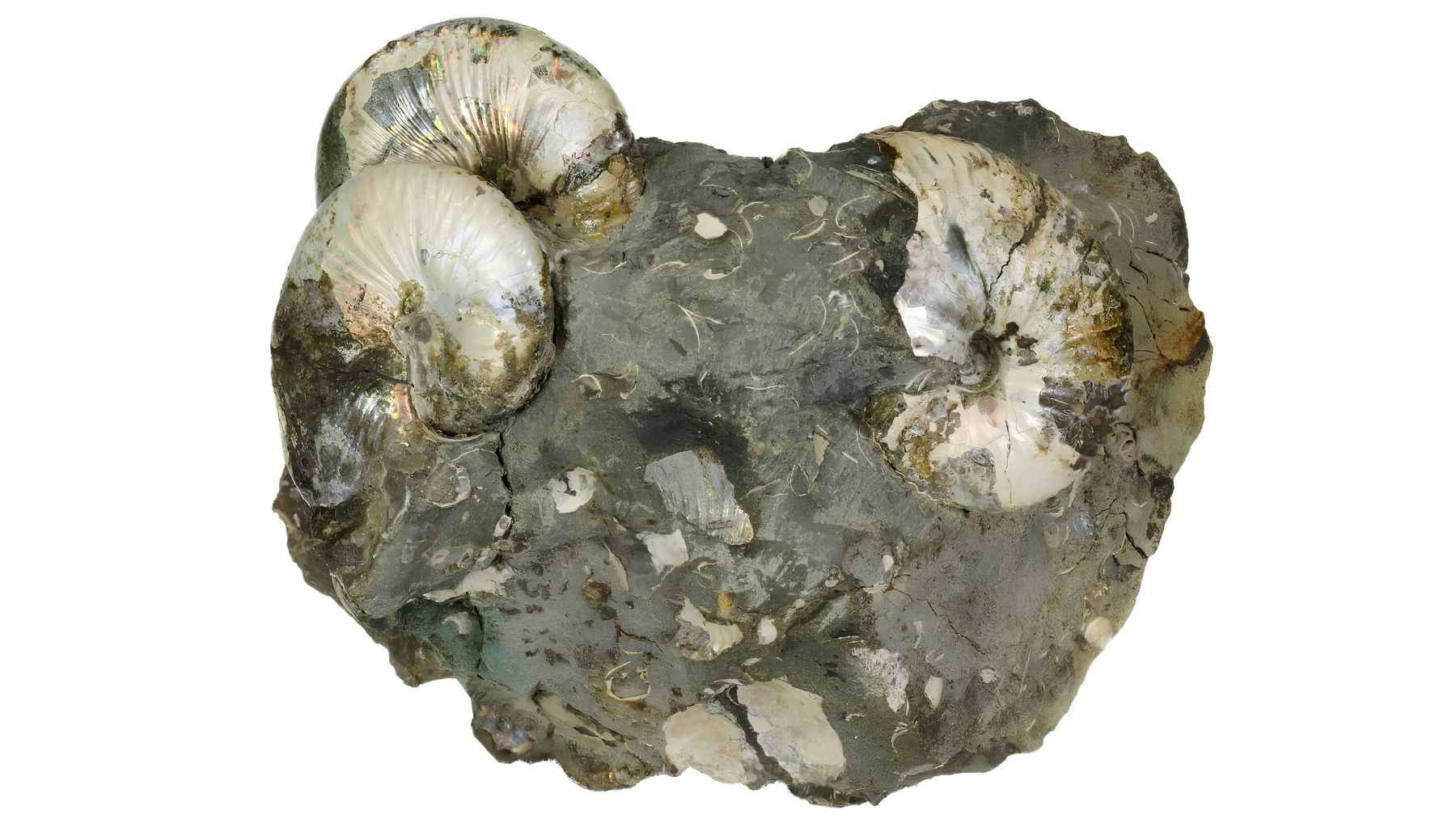
It can be quite strange to think that South Dakota is a place where researchers would expect to find evidence of an ocean. However, let me tell you that the rocks here hold ammonite shells that can be from around 70 million years ago.Some of them still shine to the extent that you would not believe that they have been buried underground for all those years!
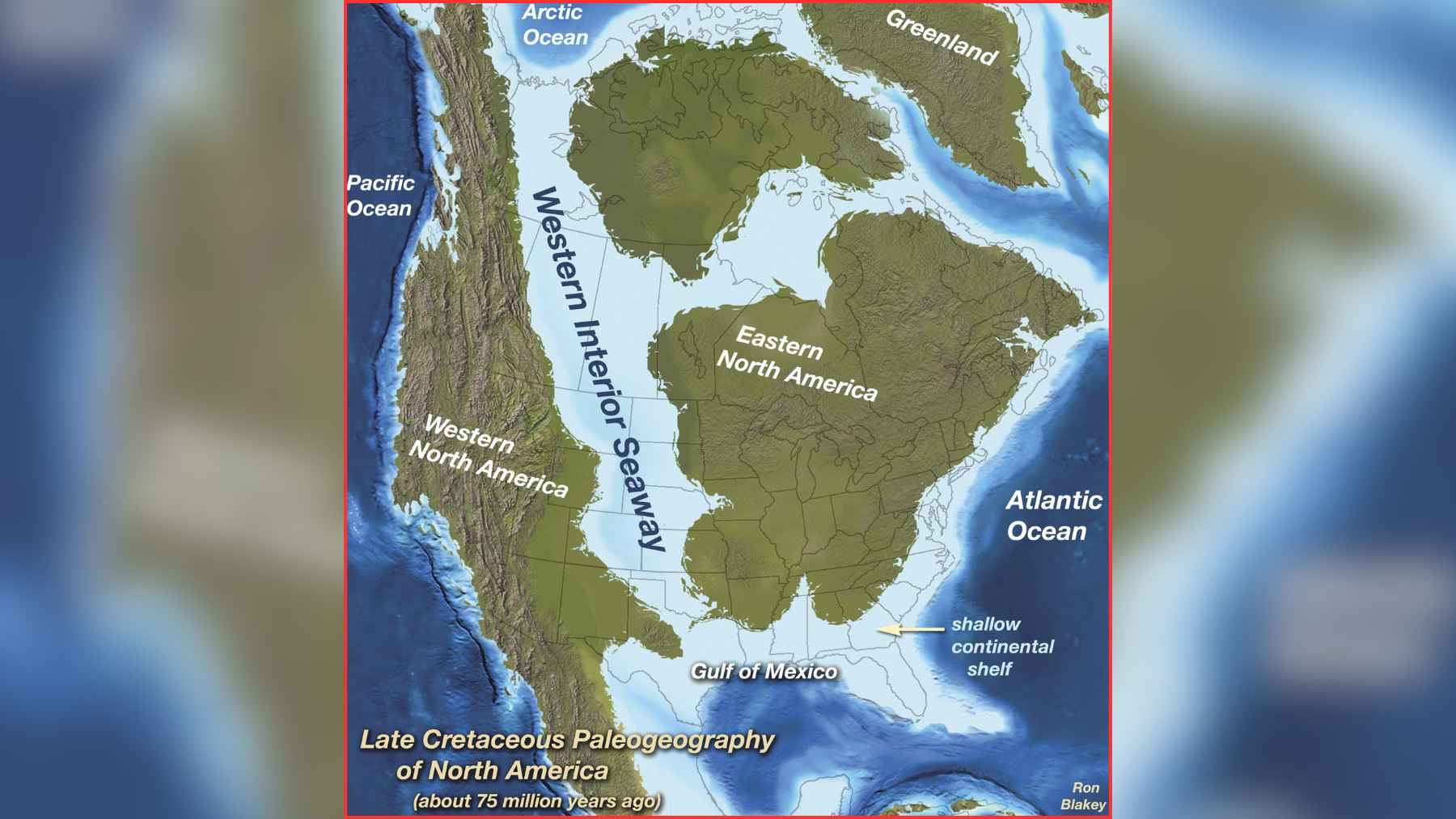
Those fossils are remnants of the Western Interior Seaway. Many years ago, this body of water went through the heart of North America. And what animals could be found? Sharks, marine reptiles and countless invertebrates. This is the best picture to show how nature can really change over a long time.
A warm sea once ran through the middle of North America
Around 100 million years ago, during the Cretaceous Period, high sea levels allowed the ocean to expand from the Arctic to what today is the Gulf Coast. This maritime way was there for 30 million years and in its maximum extension point, it separated large parts of the continent that today are, as you know, firmly joined.
Why these ammonite shells still shimmer today
The South Dakota ammonites that are now exhibited at the Smithsonian’s National Museum of Natural History really calls viewers’ attention, because it is amazing and surprising how the inner layers of the shells still reflect the multicolored light. As Stewart Edie explains, a paleobiologist and museum curator, “they still have this iridescent sheen to them.”
After many studies they found out that the nacre and the mineral aragonite are the ones in charge of giving such beauty and shine to the shells. Instead of using the pigments, the microscopic structure of the shell reflects the light. And it is in this way that they generate the same gleam seen in pearls. Fossilization was the process that allowed those layers to look the way they look.
Ammonites shared the water with giant predators
Ammonites, a family of modern squid and octopuses, were abundant in Cretaceous seas and they used to swim around dangerous waters.
Mosasaurs and other large marine reptiles moved around the area, while sharks and other big predators were also dominating their own spaces. Nowadays, paleontologists keep on finding new fossils in Kansas and in other states that are near, giving them enough material for comparing jaws, diets and much more information about that era.
Ancient oceans left fossils across the United States
But the Western Interior Seaway is only one small part of the whole long story! Marine fossils have been found in every U.S. state, and this shows that the movements of continents and the changes in the sea level moved coastlines around places that are now hundreds of miles from salt water.
Some examples are the sea stars in Minnesota from 449 to 457 million years ago, or the crinoids from tropical seas that were in Indiana around 340 to 358 million years ago.
The ancient seaway still matters to the modern Midwest
All this process actually is quite amazing and difficult to see with our limited human eyes…A sea that disappeared millions of years ago is still connected to the fields and the food that we still depend on today.
The rocks also store evidence of ecological upheaval, extinction and recovery. That is why paleontologists try to go beyond the individual fossils and so, to study the whole ancient ecosystems.
Fossils turn deep time into something we can see
The Smithsonian exhibition “From These Lands” brings together hundreds of specimens and cultural objects from across the United States, including the iridescent South Dakota ammonites. And this can make us think that the places that seem to be immutable or impossible to be different, have really changed again and again over geological time.
To close, this idea can be fascinating… South Dakota had a sea, Minnesota had starfish, and ancient marine animals once lived under landscapes that now are our highways, farms and cities.
The official exhibition information was published on the Smithsonian website.