Engineers have tested a structural damper filled with pressurized sand that continued working from 42°F to 140°F and even when moisture entered the device. The early results suggest that ordinary grains could one day help protect skyscrapers, bridges, hospitals, and other critical structures without relying on oil-filled systems.
That does not mean sand dampers are ready for the next tower or highway project. The research team still needs large-scale and dynamic testing, but the combination of steady performance, simpler repairs, and lower risk of oil leaks gives the idea unusual practical appeal. Sometimes the smartest engineering starts with a very familiar material.
Buildings move more than they look
From street level, a tall building can look locked in place. In reality, wind, traffic, and earthquakes send energy through beams, columns, and joints, causing small repeated movements that put stress on the structure.
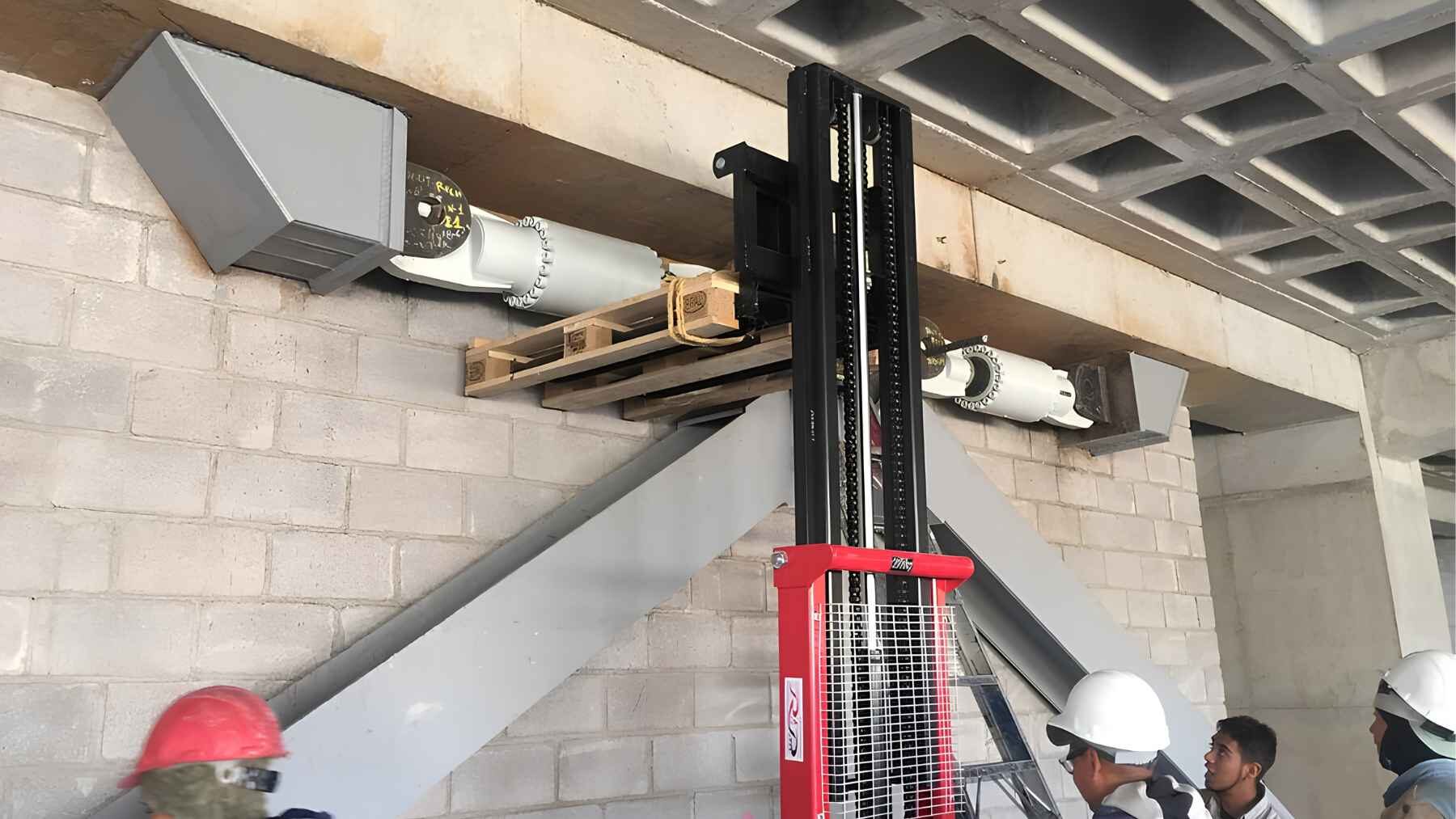
Dampers work much like the suspension in a car, absorbing part of that motion and limiting sway. This matters for more than collapse prevention. A structurally sound office can still become difficult to use if workers feel motion sick, tired, or unable to concentrate.
The movement may be too small to see from the sidewalk, yet people can feel it on upper floors. A hotel room, apartment, or office loses practical value when occupants feel queasy every time the wind rises. Safe is essential, but usable matters, too.
How the sand damper works
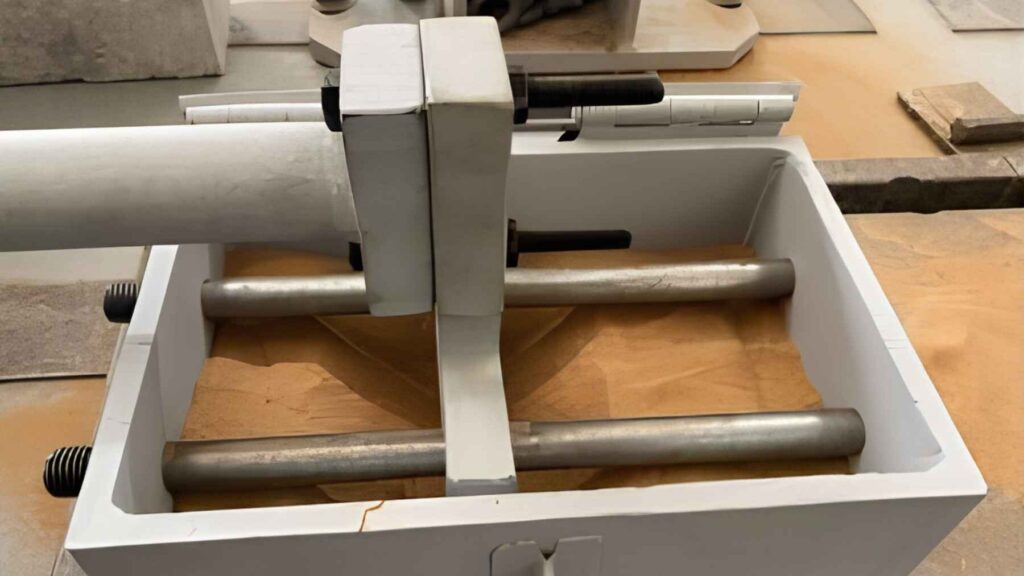
Instead of using silicone oil or another viscous liquid inside a sealed mechanism, the experimental device confines sand under pressure in a steel housing. A steel sphere or bolt attached to a moving rod pushes through the grains as the structure shifts.
The grains shear, slide, and rearrange, dissipating mechanical energy through friction. Sand can behave like a solid when tightly confined while still moving locally around the internal part. That in-between behavior is the trick.
Liang Cao, an incoming University of Mississippi civil engineering professor and study co-author, described the appeal simply: “Sand is inexpensive, easy to maintain and environmentally friendly.”
Heat and moisture did not stop it
The researchers tested the dampers at internal temperatures ranging from 42°F to 140°F. Across that span, the devices maintained stable performance, an encouraging result for infrastructure exposed to seasonal cold, sticky summer heat, or heat generated inside the mechanism.
The team also examined wet sand and found that moisture did not prevent the damper from operating. That matters because bridges and buildings face humidity, condensation, and occasional water intrusion. Cao said that even if moisture forms inside, the unit is “still functional.”
Repair time may be the real breakthrough
Traditional viscous dampers can heat up during continuous loading, potentially damaging the seals that keep oil inside. When that happens, the entire unit may need to be removed and shipped to a manufacturer or specialist for repair.
The sand version is meant to be simpler. Researchers say a damaged unit could potentially be opened, serviced, refilled, and returned to use within hours, without handling viscous fluid or depending on the original manufacturer.
That is more than a maintenance convenience. A bridge, hospital, or high-rise should not lose part of its vibration protection while a specialized component travels through a long repair chain. Every day offline matters.
Sustainable does not mean limitless
Replacing viscous oil with mineral grains could reduce the risk of contaminating fluid leaks and simplify maintenance, but calling any sand-based technology automatically green would be too easy.
By the United Nations Environment Programme’s estimate, humanity uses roughly 55 billion tons of sand and gravel each year, while demand for buildings could rise by as much as 45% by 2060. Poorly managed extraction can damage rivers, coastlines, aquifers, and wildlife habitat, so the environmental case will depend on responsible sourcing and long service life.
One promising next step would be testing recycled construction aggregate, crushed glass, or other recovered granular materials. The new study did not establish that these substitutes will work, but the question fits naturally with a circular approach to infrastructure. A greener damper needs greener grains.
The full-scale test comes next
For now, the research remains at the component stage. The team plans simulations and large-scale structural tests to see how the dampers respond to more complex dynamic loading under realistic conditions.
Engineers will also need answers about long-term grain wear, repeated load cycles, ideal pressure, inspection standards, and the size required for real buildings and bridges. Cost comparisons should include the steel housing, installation, monitoring, and maintenance, not just the price of a bucket of sand.
Will sand replace every oil damper? There is no evidence of that yet, but full-scale trials could establish it as a rugged option for remote bridges, fast-growing cities, and critical buildings where quick repairs matter.
The study was published in the ASCE Journal of Structural Engineering.