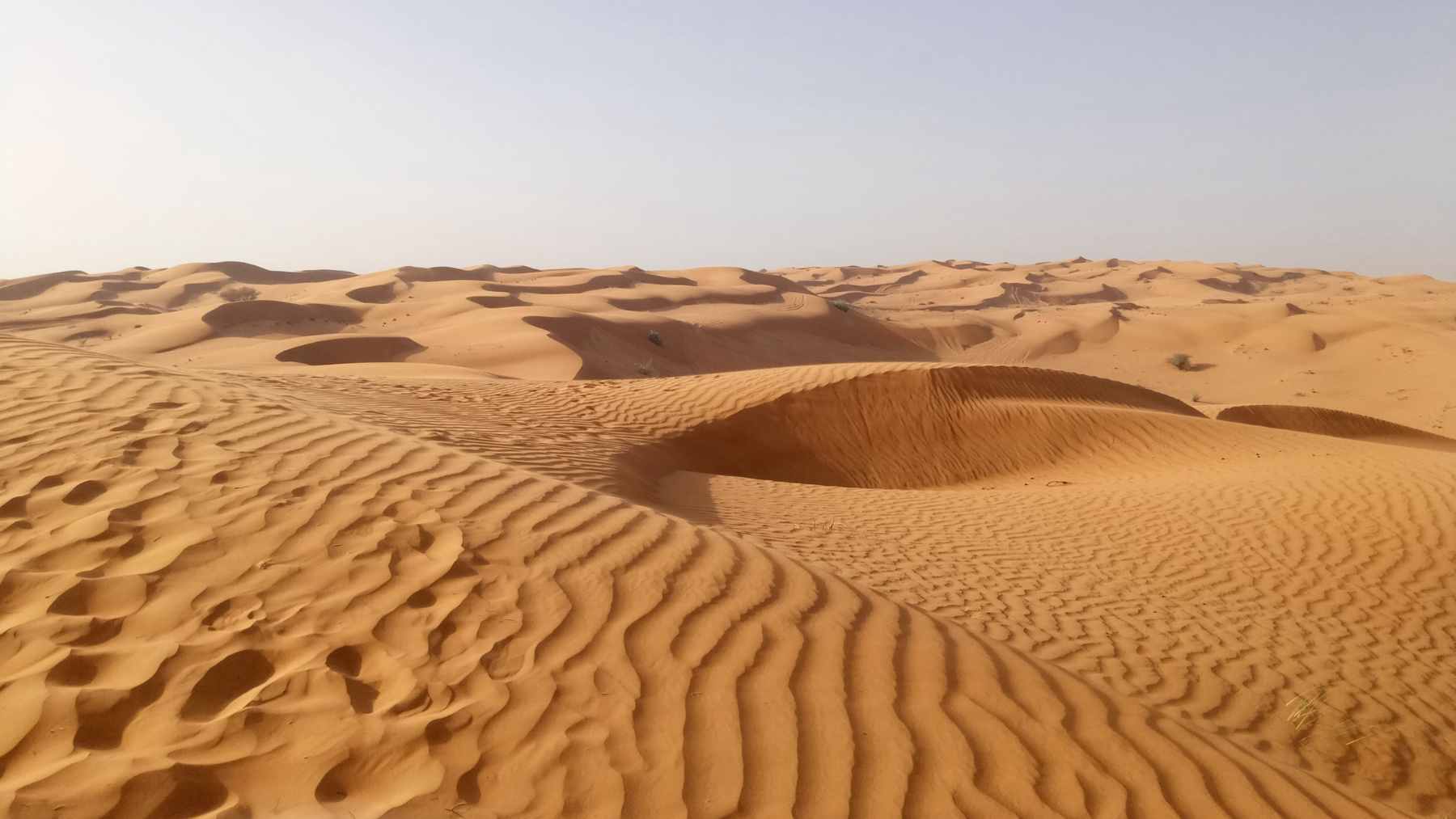
Saudi Arabia has some of the largest deserts on Earth, but in 2023 it still bought natural construction sand from Australia. World Bank WITS data show the import value from Australia at about $140,000, according to trade summaries.
Why buy sand when dunes are everywhere? The reason is hiding in the grains. For concrete, the right sand is not the sand that fills a dune, it is sand that can grip.
The wrong kind of sand
Sand is not one simple material. Grains shaped by rivers, quarries, lakes, and seabeds often have rougher edges and mixed sizes, which helps them pack tightly inside concrete. The OECD notes that sand and silicates come from freshwater, marine, terrestrial, and manufactured systems, and each source produces materials with different traits.
Read More: {{post_title link:post}}
Desert sand has taken a different route. Wind carries the grains, bounces them, and rubs them against each other over and over again. After enough time, many grains become smooth, rounded, and too uniform to work well in ordinary structural concrete.
Why concrete needs grip
Concrete is a mix of cement paste, water, and aggregates, a plain word for the sand and stone that fill most of the volume. Think of a handful of tiny broken crackers instead of tiny glass beads. The broken pieces lock together. The beads slide.
That difference matters inside a wall, bridge, or tower. Research on manufactured sand found that particle shape, especially angularity, is closely tied to concrete workability and compressive strength.
A separate study listed by Harbin Institute of Technology found that higher shares of desert sand increased tiny pores and generally reduced concrete strength as the replacement level rose.
Australia fills a niche
Australia’s role is not magic. It has deposits that can be mined, sorted, shipped, and sold into markets that need specific sand grades. In Saudi Arabia’s 2023 imports of natural sands excluding metal-bearing sands, Australia was listed as a supplier with $138,600 in sales, behind China, Turkey, Spain, and the United States in that specific category.
That is why the number can look small and still matter. It is not proof that every building site in Saudi Arabia depends on Australia–it is a clear example of a bigger fact that feels backward at first glance. A desert country can be rich in sand and still short of the kind builders need.
Big projects make the detail bigger
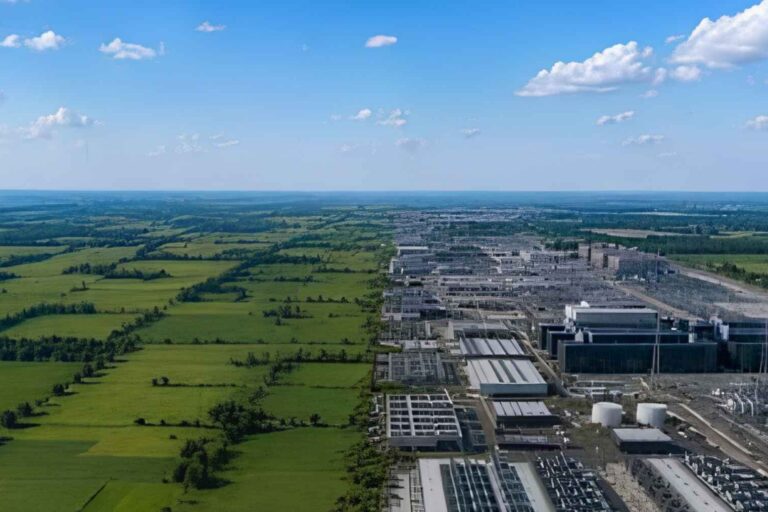
The sand question becomes more important because Saudi Arabia is pouring money into construction. The U.S. International Trade Administration says Vision 2030 is transforming the kingdom’s construction sector through advanced technologies, modern building methods, and major projects including NEOM, Red Sea Global, and Qiddiya.
Read More: {{post_title link:post}}
This construction includes roads, hotels, utilities, housing, ports, and public spaces. Every one of those projects leans on concrete somewhere, even if the final design looks futuristic. Concrete does not care how dramatic a skyline is, it cares whether its ingredients hold together.
A global sand gap
Saudi Arabia’s paradox is only one piece of a much larger problem. In May 2026, the United Nations Environment Programme warned that global demand for sand is outpacing sustainable supply. The agency said the world uses about 55 billion tons of sand a year, and that sand used for buildings alone could rise by as much as 45% by 2060.
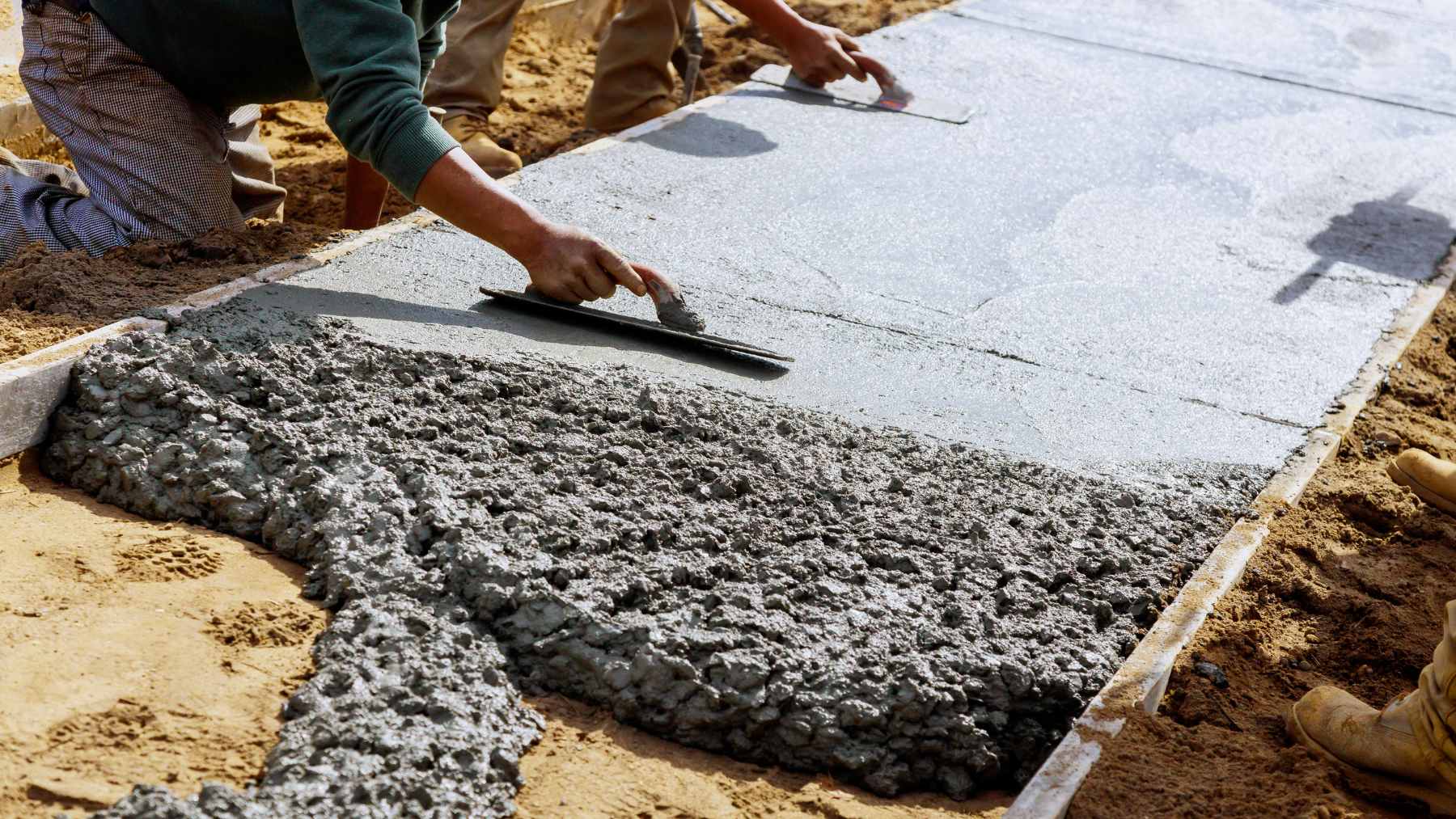
Older UNEP work put the scale in a way anyone can picture. Annual sand and gravel use would be enough to build a wall about 89 ft. wide and 89 ft. high around the planet–big number, bigger warning.
What extraction leaves behind
The trouble is, useful sand often sits in places that are alive, not empty. Rivers move it. Coasts use it as a buffer. Marine habitats depend on it, and people depend on those habitats for fisheries, clean water, tourism, and storm protection. UNEP’s 2026 report says sand left within ecosystems supports water security, food systems, livelihoods, shelter, and territorial integrity.
Pulling too much from those places can leave scars. UNEP has warned that extraction from rivers, coasts, and marine ecosystems can contribute to erosion, saltwater moving into aquifers, lost storm protection, and damage to biodiversity. The cost may show up far from the shiny tower that used the concrete.
Possible fixes
There are alternatives, but none are a simple switch. Manufactured sand is made by crushing rock into more angular grains, while recycled concrete can turn demolition waste back into aggregate. UNEP has listed crushed rock and recycled construction and demolition material among options that can reduce pressure on natural sand.
Saudi Arabia is already testing parts of that circular approach. Riyadh Municipality says a construction waste recycling initiative launched in 2025 aims to convert waste into reusable materials and use recycled material in road paving.
Read More: {{post_title link:post}}
That will not make dune sand perfect for high-rise concrete overnight, but it can keep some old concrete from becoming useless rubble.
At the end of the day, the Saudi sand story is less a joke than a warning. The desert may look endless from a car window, but construction quality depends on shape, texture, and source. The grains have to do a job.
The official report has been published by the United Nations Environment Programme.