Gnowangerup has work to offer, but not enough homes for the people who could do it. The farming town in Western Australia, located about 217 miles southeast of Perth, is now looking at 3D-printed housing as a practical answer to a problem that is holding back local business growth.
The idea is simple enough to understand. If workers cannot find a place to live, factories cannot expand, orders take longer to fill, and a town with real momentum risks getting stuck. That is why a local nonprofit is preparing to use 3D construction technology to build homes faster and, by its own estimates, more cheaply.
A town with jobs but no homes
Gnowangerup has about 1,200 residents, but its industrial businesses are already looking beyond that small-town scale. The trouble is not a lack of work. It is the lack of housing for skilled workers who are ready to move there.
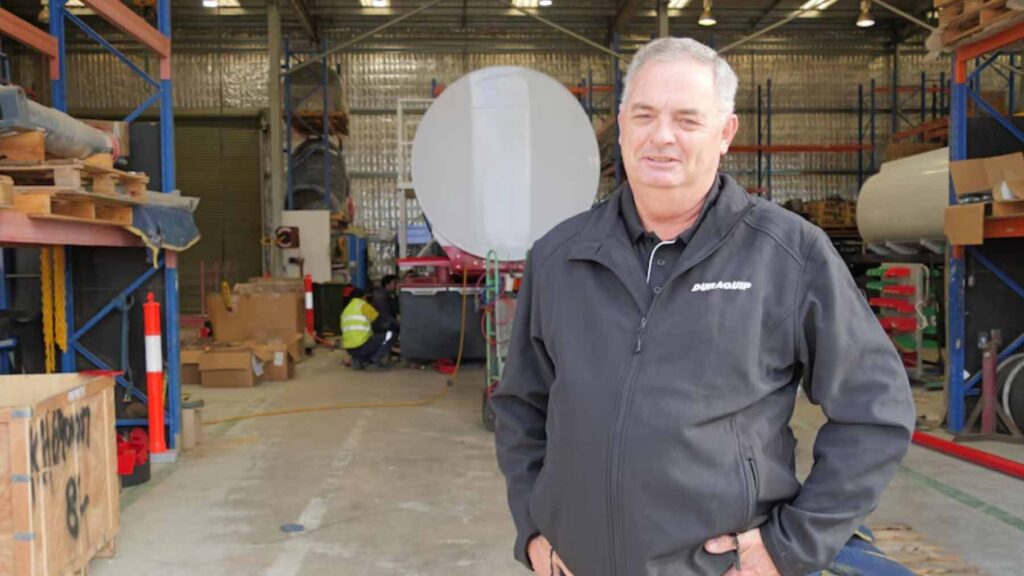
That shortage has become a real bottleneck for companies such as Duraquip, a road transport equipment business where 80% of employees are sponsored skilled migrants. Co-owner Garry Richardson said the question comes up every time the company thinks about hiring, “Where are they going to live?”.
It is a familiar rural problem, yet here it comes with a sharp twist. Gnowangerup does not want to shrink quietly while young workers and families choose bigger towns. It wants to keep building.
Why migrant workers matter
For many regional towns, migrant workers are not a side story. They are part of how factories, farms, and construction businesses keep operating when local labor is not enough. In Gnowangerup, that link is especially clear.
One employee, Joefre Macaspac, is among the sponsored migrants working in the town. He said he loved living in Australia, but finding a place to stay had been difficult. That is where a housing shortage stops being an abstract policy issue and becomes part of daily life.
At the end of the day, a job offer only goes so far if there is no front door to unlock after work. For workers, housing means stability. For employers, it means the chance to keep skilled people instead of watching them leave.
The 3D printing plan
Local nonprofit Harvest has bought land and is working with specialist construction company Hous3D to build homes in the region. Graeme Paterson, Harvest’s manager, said the technology could cut construction time to about 10 weeks.
Construction 3D printing works by using a large automated system to place building material layer by layer, usually following a digital design. In practical terms, it replaces some slower manual steps with a machine that can form walls with speed and consistency. Hous3D says its ARCS technology is designed to deliver full-size concrete homes and commercial structures in weeks rather than months or years.
Paterson also said the approach could be “20% to 30% cheaper” than a standard build. That number matters in a town where affordable rent can decide whether a worker stays, a business expands, or an order gets pushed back.
A local answer to a wider problem
Australia’s regional housing challenge is not limited to one town. Remote and rural communities often face higher costs because materials, equipment, and labor must travel long distances before construction can even begin. The Australian government’s business portal has described 3D-printed housing as one possible way to reduce those pressures in regional and remote areas.
That does not mean 3D printing is a magic button. Homes still need land, planning approval, utilities, skilled oversight, and tenants who can afford the rent. It could help remove one part of the squeeze, however.
For a place like Gnowangerup, shaving weeks off a build can matter. So can lowering costs by even a modest amount. In a small town, one new rental home can be the difference between filling a job and leaving a machine idle.
Businesses are watching closely
Auspan, another local manufacturer, has more orders than staff to complete them. Caleb Richardson said extra housing would help attract skilled workers, protect quality, and support growth in the town.
His point is not just about one business. Drive through many parts of regional Western Australia and you can see towns trying to hold onto people, shops, schools, and local services. When the population drops, everything feels it.
Gnowangerup is trying to move in the other direction. Richardson put it in plain terms, saying the town is “bucking the trend.” That is a small phrase, yet it carries a big ambition.
What happens next
Harvest’s project is now the key test. If the homes are built on schedule and rented at a price workers can manage, Gnowangerup could offer a model for other towns facing the same trap of plenty of work and nowhere to live.
The story also shows how housing policy can be more than a city issue. It shapes whether a young family moves, whether a migrant worker settles, and whether a regional factory can take the next order instead of turning it away.
So, can 3D printing save a town’s growth plans? Maybe not by itself, but in Gnowangerup, it may give businesses and workers something they urgently need.
The main report by Will Corbett and Mark Bennett has been published by ABC Great Southern.