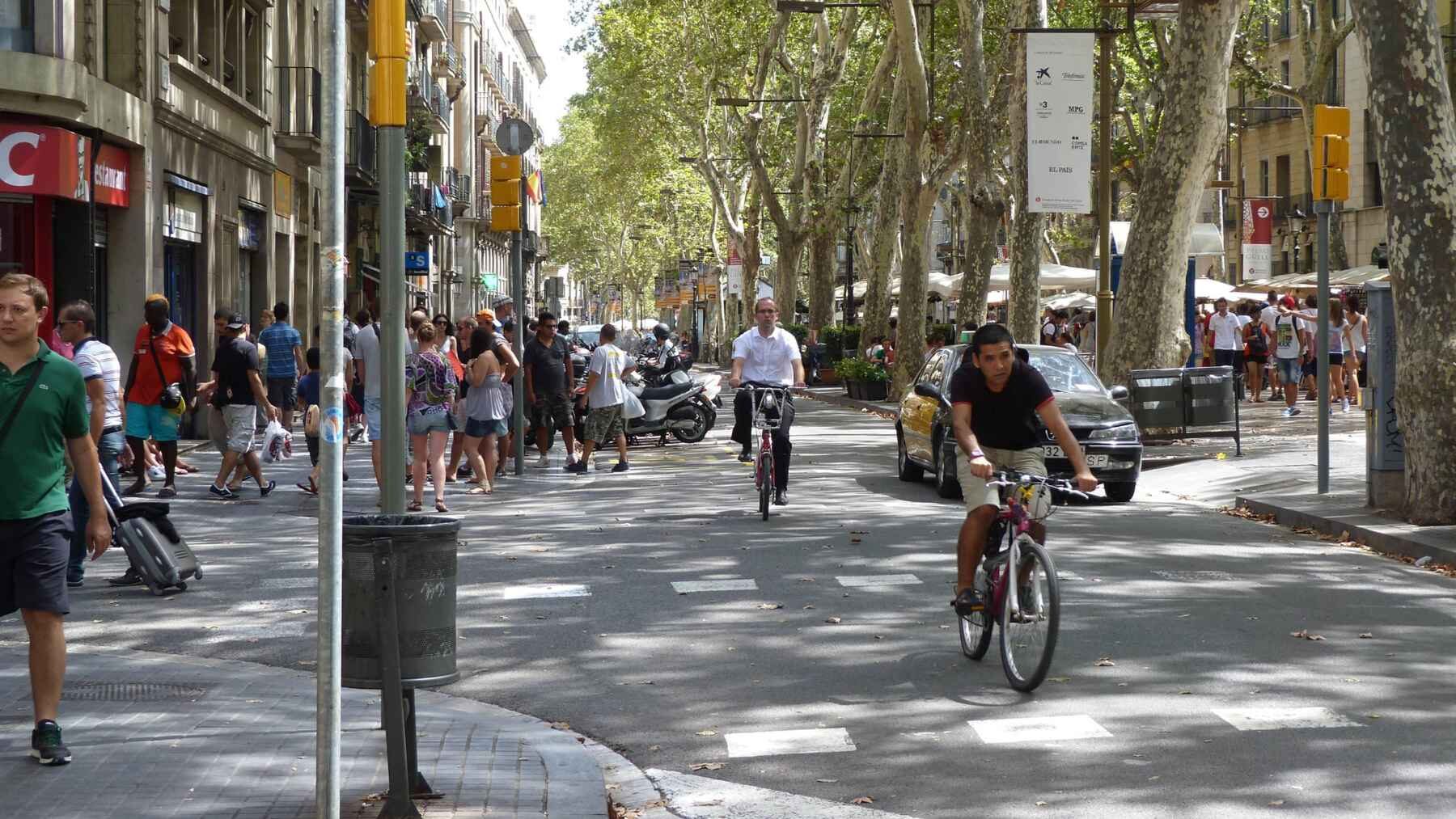
Barcelona is getting ready to test an unusual climate idea under people’s feet. The city has selected a street-paving project that replaces a conventional asphalt ingredient with biochar made from olive pits and other biomass, turning agricultural waste into a possible tool for cleaner urban construction.
The proposal, called Biochar, was chosen as a winning solution in Barcelona’s “La sección de calle del siglo XXI” urban challenge. By the city-linked BIT Habitat’s own estimate, the mix could reduce final CO2 emissions from the upper asphalt layer by about 75%, while Carboliva says the reduction tied to material production is around 76%. That small difference matters, but the message is clear enough. Streets may be about to get a lot more interesting.
From olive groves to city streets
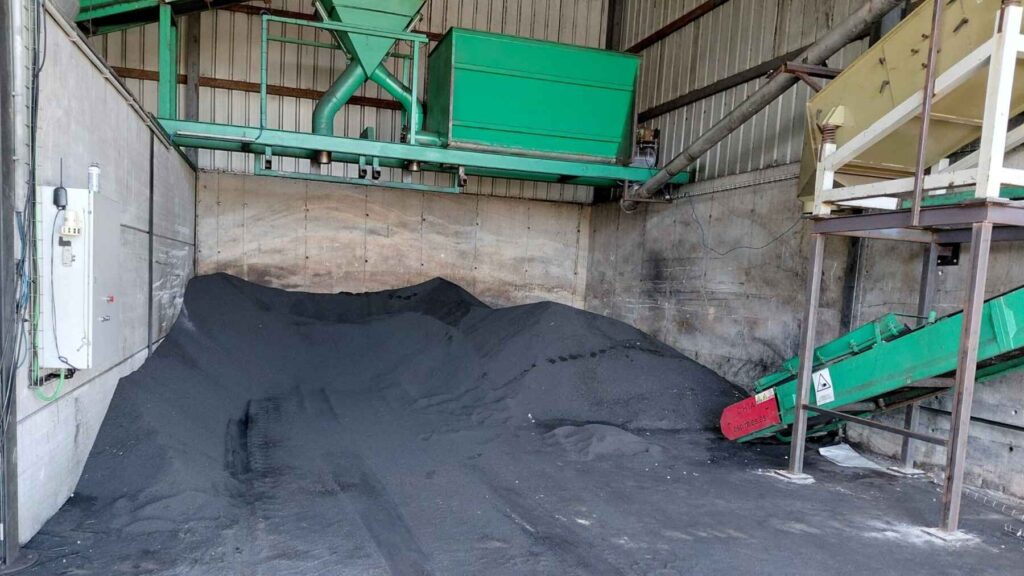
The heart of the project is simple, at least in theory. Traditional asphalt mixes use a mineral powder known as limestone filler, but this new design replaces that filler with biochar, a carbon-rich material produced through the thermochemical conversion of biomass.
In this case, the biomass includes olive pits and pine residues. That gives the idea a neat circular twist, because a byproduct from olive-growing regions can end up supporting sidewalks and roads in one of Europe’s busiest cities.
Why does that matter? Because the carbon absorbed by the original plants can remain locked inside the biochar instead of quickly returning to the atmosphere. In practical terms, the pavement becomes more than a surface for buses, bikes, cars, and tired feet after a long workday.
A carbon sink under the pavement
According to BIT Habitat, the proposed solution seeks to decarbonize bituminous mixes by fully replacing the filler with biochar in the most superficial asphalt layer of the roadway. The goal is to move toward the full decarbonization of the pavement section.
Carboliva, the Andalusian company supplying the biochar, describes the material as a renewable carbon sink within the asphalt. The company says the substitution can reduce CO2 emissions associated with manufacturing the material by around 76%.
That does not mean every Barcelona street will suddenly become climate-neutral. For the most part, this is still a pilot technology moving from laboratory promise toward real-world testing. But for cities trying to cut the hidden emissions of public works, even a partial shift could be meaningful.
Strength still comes first
A greener road is not much use if it cracks after the first hard rain or summer heat wave. Asphalt has to survive buses, delivery trucks, scooters, traffic jams, sudden storms, and that sticky urban heat we all know.
That is why the technical tests matter. Carboliva says trials carried out by the project team, including AMSA, ELSAN, and the Universitat Politècnica de Catalunya (UPC), show that mixes enriched with biochar keep equal or better performance than conventional mixes. The reported benefits include better resistance to water damage, stronger toughness against cracking, and good behavior under temperature changes.
BIT Habitat is a little more cautious in its wording, saying the material has the same performance as conventional mixes “at laboratory level.” That phrase is important. Streets are messier than test benches, and the next phase will show whether the numbers hold up when real traffic starts rolling over them.
The 2027 street test
The project is backed by Barcelona City Council through BIT Habitat, along with Barcelona de Infraestructuras Municipales (BIMSA) and the Diputación de Barcelona. Carboliva says the project has received a grant of 90,000 euros, which is about $103,000 using the European Central Bank’s July 6, 2026 reference rate.
The money will support applied research, mix formulation, and prototype development. According to Carboliva, that research phase is expected to continue until September 2026.
After that comes the part residents can actually see. The first urban pilot sections using Carboliva’s biochar are expected on real Barcelona streets in 2027, where the city can monitor performance and decide whether the idea can scale to other neighborhoods or even other European cities.
Why cities are watching
Urban climate action is often framed around solar panels, electric buses, and tree planting. Those are easy to picture. Pavement, on the other hand, is so ordinary that most people only notice it when it fails.
But streets are everywhere, and construction materials carry their own carbon footprint. That is why replacing a small ingredient in asphalt could become a big deal if the approach proves durable, affordable, and easy enough for contractors to repeat.
There is also a heat angle. Barcelona, like many dense cities, is looking for ways to adapt its streets to climate stress, from hotter summers to heavier downpours. Better materials will not solve the urban heat island effect by themselves, but they can become one piece of a broader resilience plan.
A promising idea with a real test ahead
The most compelling part of the Biochar project is not just that it uses olive pits. It is that it tries to make ordinary infrastructure do double duty, carrying traffic while storing carbon that came from renewable biomass.
Still, the project should be judged by evidence, not excitement. The laboratory results are encouraging, and the emissions target is eye-catching, but the 2027 pilots will be the real proving ground.
If the material performs well under daily traffic, Barcelona could offer other cities a new model for low-carbon paving. If not, the data will still be useful. Either way, the street is about to become a climate laboratory.
The official project description was published on BIT Habitat.