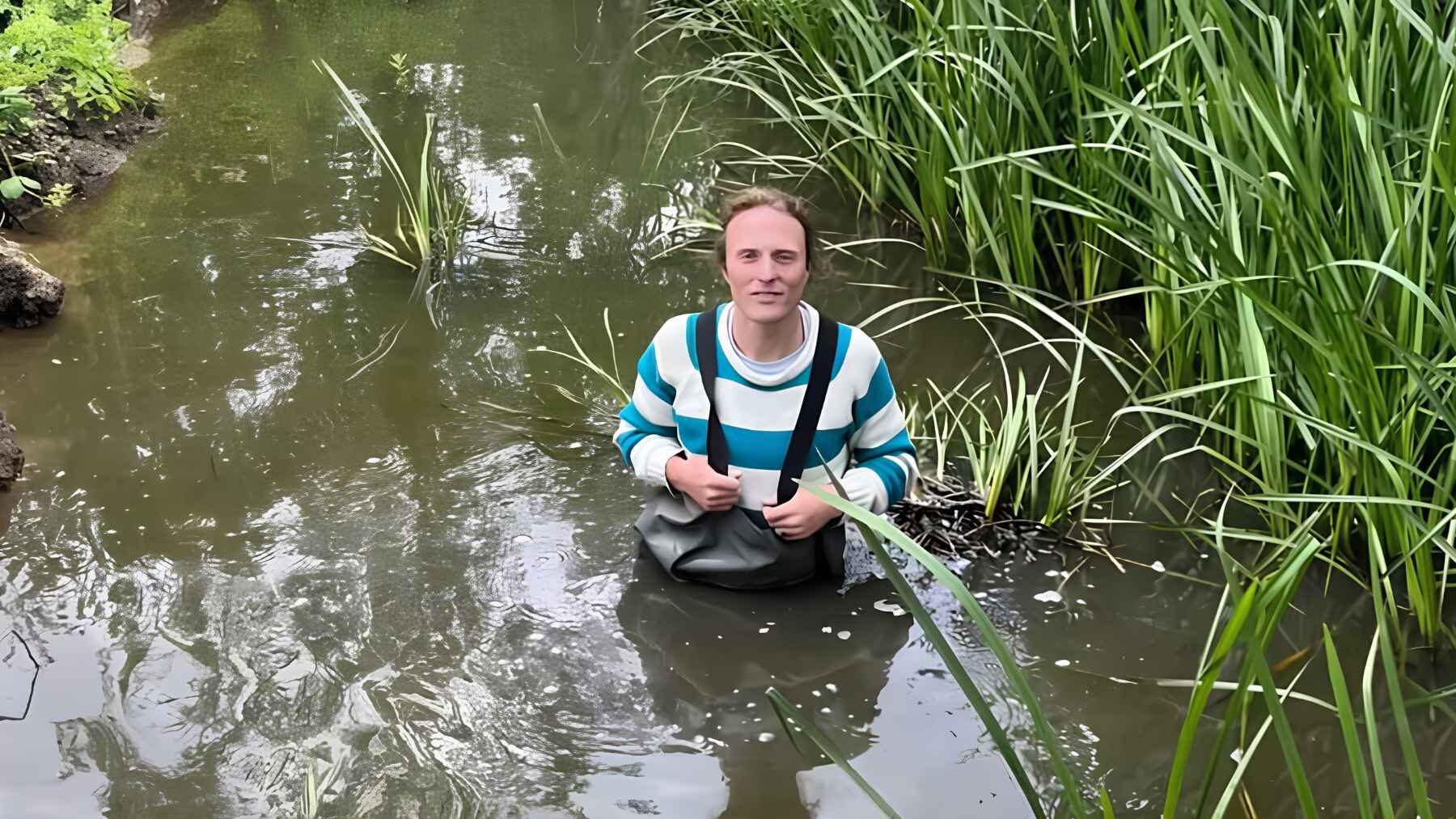
A polluted stretch of Alders Brook in east London became the center of a bigger environmental argument after volunteers removed more than 200 bags of trash, weeds, branches, and silt from the waterway. The effort was led by Paul Powlesland, a lawyer, environmental campaigner, and founder of the River Roding Trust, who has spent years pushing for the River Roding to be cleaned up.
At first glance, it sounds like a simple good-news story. A neglected river gets attention, local people step in, and wildlife begins to return. However, the latest official update says the Environment Agency has issued warning letters to the River Roding Trust after finding that unpermitted work at Alders Brook damaged habitats and helped spread invasive Japanese knotweed.
A cleanup turns into a warning
Volunteers worked for 10 days on Alders Brook, a tributary of the River Roding, removing debris from a roughly 820 ft. stretch of waterway. Supporters said the cleanup helped water move again through a section that had been clogged with sludge and dumped material.
The story quickly drew public attention because Powlesland had initially faced the possibility of prosecution over alleged unpermitted works. The Environment Agency has now stopped short of taking that step, saying warning letters were a proportionate response because it recognized the trust’s genuine commitment to improving the local environment.
Why regulators stepped in
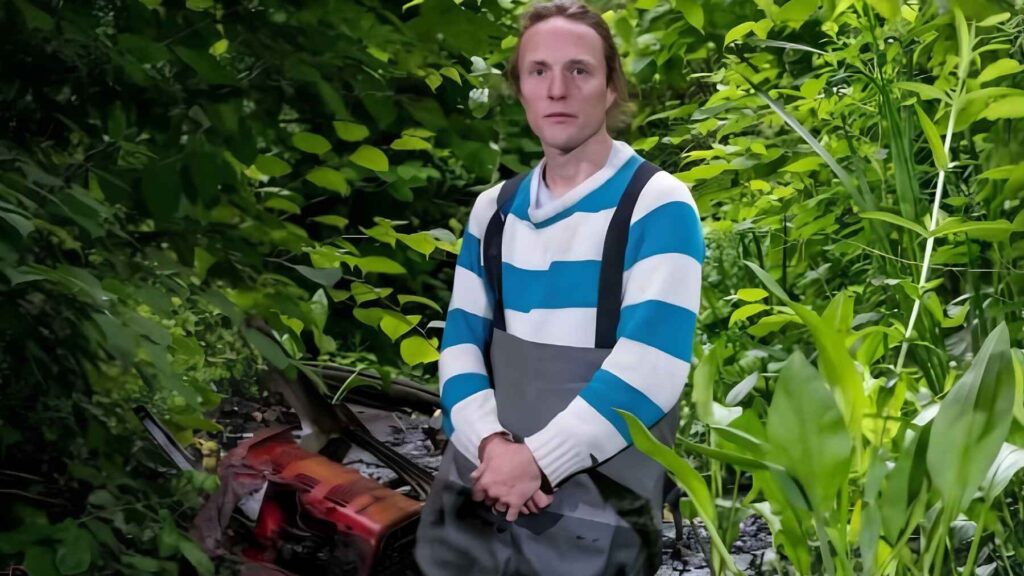
So why would a river cleanup become a regulatory problem? According to the Environment Agency, the issue was not simply that volunteers picked up trash, but that work in and around a river channel can affect flood risk, drainage, wildlife habitats, and invasive species control.
The agency said its investigation found damage to wildlife habitats and the spread of Japanese knotweed because biosecurity protocols were not followed. That matters because Japanese knotweed can regrow when disturbed soil or plant fragments are moved, and official guidance says its underground rhizomes can remain dormant in soil for years.
A fragile urban river
The River Roding was already in poor shape long before this dispute. It has faced sewage discharges, illegal dumping, and water-quality concerns – the kind of problems that turn a neighborhood river from a place for birds and fish into something residents cross quickly after heavy rain.
Data obtained by Friends of the Roding and reported by The Guardian said the Cran Brook sewage outflow releases more than 198,000 gallons of raw sewage into the Roding each year. Thames Water has said such discharges operate within limits set by the Environment Agency and are meant to prevent sewage from backing up into homes during intense rainfall.
What Powlesland says
Powlesland has argued that volunteers stepped in only after years of frustration. He told The Guardian he had asked the Environment Agency to clean up the river several times, and said the 10-day effort was part of broader volunteer work that had been happening over five years.
After the agency decided not to pursue prosecution, Powlesland called it a “relief,” according to Local Government Lawyer. But he also said the matter was not over, arguing that the River Roding and its tributaries still need serious restoration and stronger action against pollution.
The permit problem
This is where the story gets uncomfortable. Community river action can be powerful, especially when official cleanup work feels slow or distant, but rivers are living systems, not drainage ditches that can simply be scooped out and reset.
Effectively, a flood-risk activity permit is supposed to make sure work does not accidentally make flooding worse, damage a riverbed, disturb polluted sediment, or spread invasive plants. That may sound like red tape when someone is standing in rubber boots beside a pile of trash, but experts warn that even well-meant river work can cause harm without the right checks.
A shared goal, but not an easy one
The Environment Agency says it supports local groups that want to improve rivers and works with many volunteers across London. It also says the River Roding Trust shares the same goal of protecting the river, and it has invited the trust to discuss next steps, including help with the permit process.
That is probably where the real solution lies. Not in telling communities to stay away from polluted waterways, and not in letting anyone with a shovel reshape a stream, but in building a faster, clearer path for local restoration work that still protects habitats, homes, and people downstream.
What this case really shows
At the end of the day, this case is about more than one cleanup. It shows how badly many urban rivers need help, and how easy it is for local energy to crash into environmental rules written to prevent harm.
The lesson is not that volunteers should stop caring. It is that river restoration needs both public pressure and ecological planning, because trash bags alone cannot fix sewage, invasive plants, or long-term neglect.
The official statement was published on GOV.UK.