A Diaguita Indigenous community has opened a new legal battle over mining in Chile’s high Andes. The Alta Cordillera Diaguita Indigenous Community wants the environmental approval for Barrick’s El Alto prospecting project canceled, arguing that it would return drilling to territory linked to the permanently closed Pascua Lama project.
Chile’s First Environmental Court has accepted the claim for review, but it has not ruled on whether the permit is lawful. The dispute turns on a difficult question. Can a new authorization allow exploration in an area where earlier drilling was found incompatible with a binding closure order?
What El Alto would do
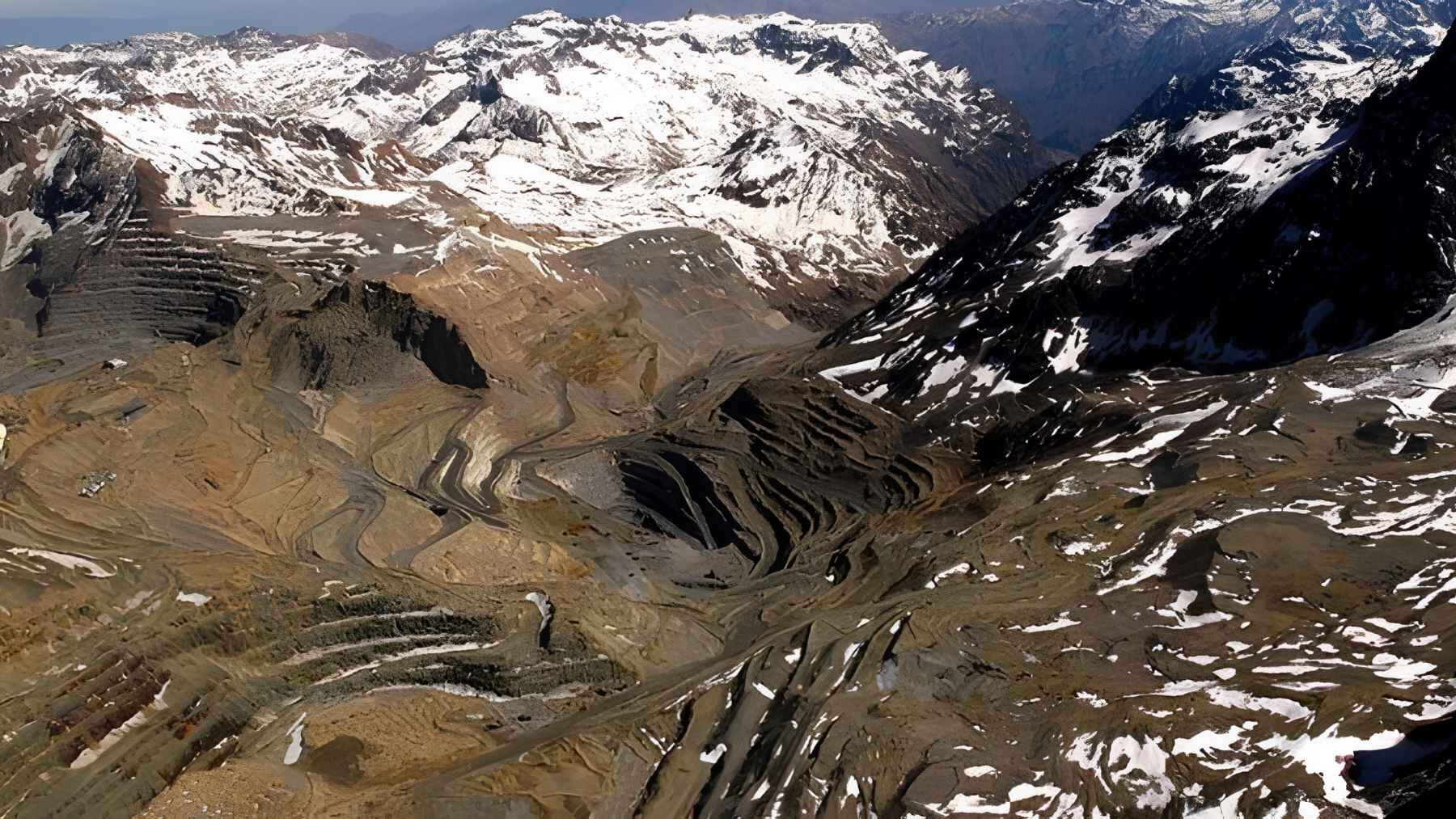
El Alto is a $35 million diamond-drilling campaign designed to reduce geological uncertainty and provide a clearer estimate of possible metal resources. The plan covers about 524 acres, although roads, platforms, and other works would directly occupy about 12.5 acres.
The project includes 43 drilling platforms and holes expected to reach roughly 984 to 2,297 feet below the surface. It would run for two years across two field seasons, generally from September through May, in Alto del Carmen about 93 miles southeast of Vallenar and close to Chile’s border with Argentina.
Prospecting is not the same as approving an operating mine. Still, the work involves machinery, platform preparation, road maintenance, drilling mud, water use, waste handling, and vehicle traffic in a remote mountain environment. Small footprint does not mean zero footprint.
Why Pascua Lama still matters
Pascua Lama was planned as a major gold and silver project spanning the Chilean and Argentine Andes. Construction on the Chilean side was suspended in 2013 before gold was extracted, and Chile’s environmental regulator ordered total and permanent closure in January 2018 after a case involving 33 charges.
Five violations warranted permanent closure, according to the regulator, and two caused irreparable environmental damage. The cited problems included harm to high-Andean wetlands, impacts on native plants and animals, incomplete glacier monitoring, and acidic water entering the Estrecho River.
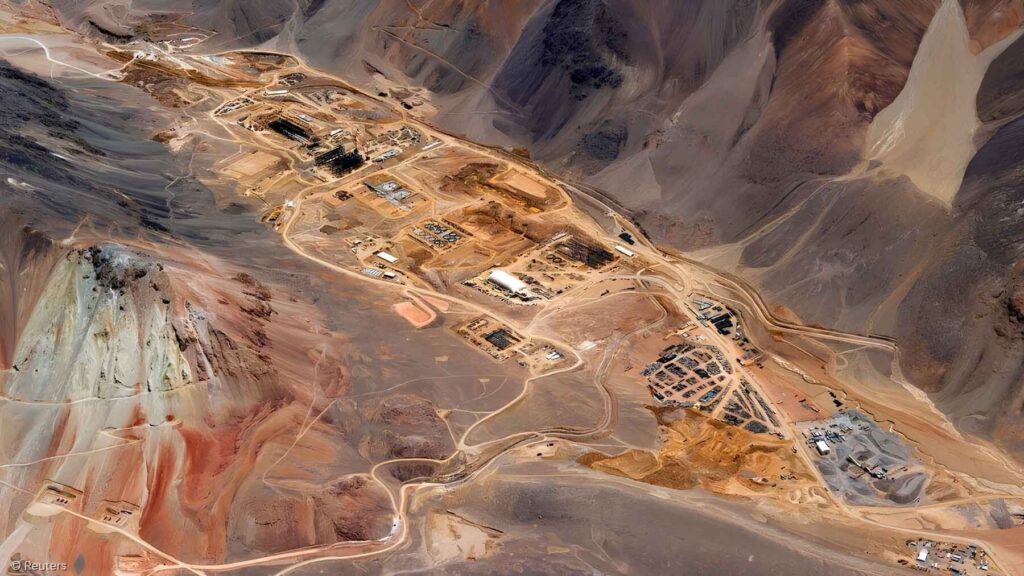
The legal history did not end there. After the company conducted prospecting work in the Pascua Lama zone in 2021, Chile’s Supreme Court ruled in February 2022 that activity using the project’s infrastructure and resources was “clearly incompatible” with closure and therefore “illegal and arbitrary.” Only work leading toward closure was permitted, the court said.
The community’s case
Community president Amalia Robles Alcayaga filed the latest challenge after the Environmental Assessment Service rejected administrative appeals against El Alto’s approval. The claim asks the court to cancel that decision and the environmental authorization granted to Compañía Minera Nevada, Barrick’s Chilean subsidiary.
The community says the permit approves, “under the name of a new project,” the same type of work previously questioned by the Supreme Court. It also alleges project splitting because El Alto received an Environmental Impact Declaration while a separate Environmental Impact Study is being processed for changes to Pascua Lama’s closure phase.
Other objections concern the cryosphere, archaeological heritage, local livelihoods, Indigenous cultural sites, and the project’s human area of influence. The community argues that a full Environmental Impact Study and Indigenous consultation were required, and that officials did not properly answer all public observations. The official evaluation recorded 312 admissible observations, with water and glaciers among the main concerns.
What regulators and Barrick say
The Environmental Assessment Service maintains that El Alto is “new, distinct, and independent” from Pascua Lama. It says the platforms and roads described as existing came from exploration campaigns between 1988 and 2001, before Pascua Lama existed as an approved project, and that reusing them reduces new disturbance.
The agency concluded that the limited direct footprint and control measures were enough to rule out significant effects requiring a full Environmental Impact Study. Its review described projected water use as about 0.3% of the Potrerillos River’s average annual flow and said modeled dust and black carbon would not significantly alter nearby ice, with monitoring required during the campaign.
That debate is not abstract. The project baseline listed 159 potentially present native vascular plant species, including 32 endemic species and eight in official conservation categories. Barrick says the work would collect updated geological and metallurgical information without using Pascua Lama infrastructure or interfering with closure, and it has projected 75 seasonal jobs.
What happens now
The court has requested a report and the administrative record from the Environmental Assessment Service. It is also studying the community’s request to suspend the permit until a final ruling, so accepting the case should not be confused with deciding it against Barrick.
The judges must decide where permanent closure ends and a separate project begins. Their ruling could clarify whether an older shutdown order restricts later exploration in the same mining district, while also testing how Chile weighs new mineral investment against fragile high-mountain ecosystems and Indigenous rights.
The statement was published on the First Environmental Court of Chile.