Bolivia’s new mining dispute is about more than gold. An eight-point agreement signed on May 14, 2026, between President Rodrigo Paz and the Federación Nacional de Cooperativas Mineras has triggered growing opposition because it could reopen a path for mining inside protected areas and Indigenous territories. The pact came after more than 40 days of blockades, marches, and clashes that left La Paz under heavy pressure from protesters demanding the president’s resignation.
At first glance, the dispute looks like a fight over paperwork, but that paperwork could decide whether gold operations move deeper into parks, rivers, and community lands where mining is banned or tightly restricted. That is why environmental lawyers, Indigenous leaders, lawmakers, and scientists are warning that a technical rule may become the door to a much larger conflict.
A technical door to mining
Point eight of the pact asks Bolivia’s mining authority, known as the Jurisdictional Mining Administrative Authority (AJAM), to restore the regulation for granting mining rights in protected areas. It also calls for the protected areas service, (SERNAP), to bring back rules for issuing a Certificate of Land Use Compatibility, known as a CCU. Effectively, that document checks whether a proposed activity fits the zoning of a protected area.
The CCU is not supposed to be a final mining permit. The agency’s own guidance says the certificate begins the licensing process and does not guarantee approval, with a basic processing fee of 200 bolivianos, or about $29. Even so, critics say restoring that pathway changes the stakes because it can start the chain that leads to environmental licenses and mining authorization.
Why parks are the flashpoint
Protected areas are not empty spaces waiting for development. They hold forests, wildlife, rivers, and the water sources that communities rely on every day. When mining enters these areas, the damage can show up far from the pit or riverbank.
Madidi National Park is the warning sign many Bolivians point to first. The Tuichi River inside that region has already been recognized by the Tribunal Agroambiental as a subject of rights, after allegations of illegal mining, heavy machinery, and mercury pollution in one of the country’s most sensitive landscapes. A river with rights may sound unusual, but the idea is simple enough because the law treats the river as something that must be defended, not just used.
Mercury is the quiet danger
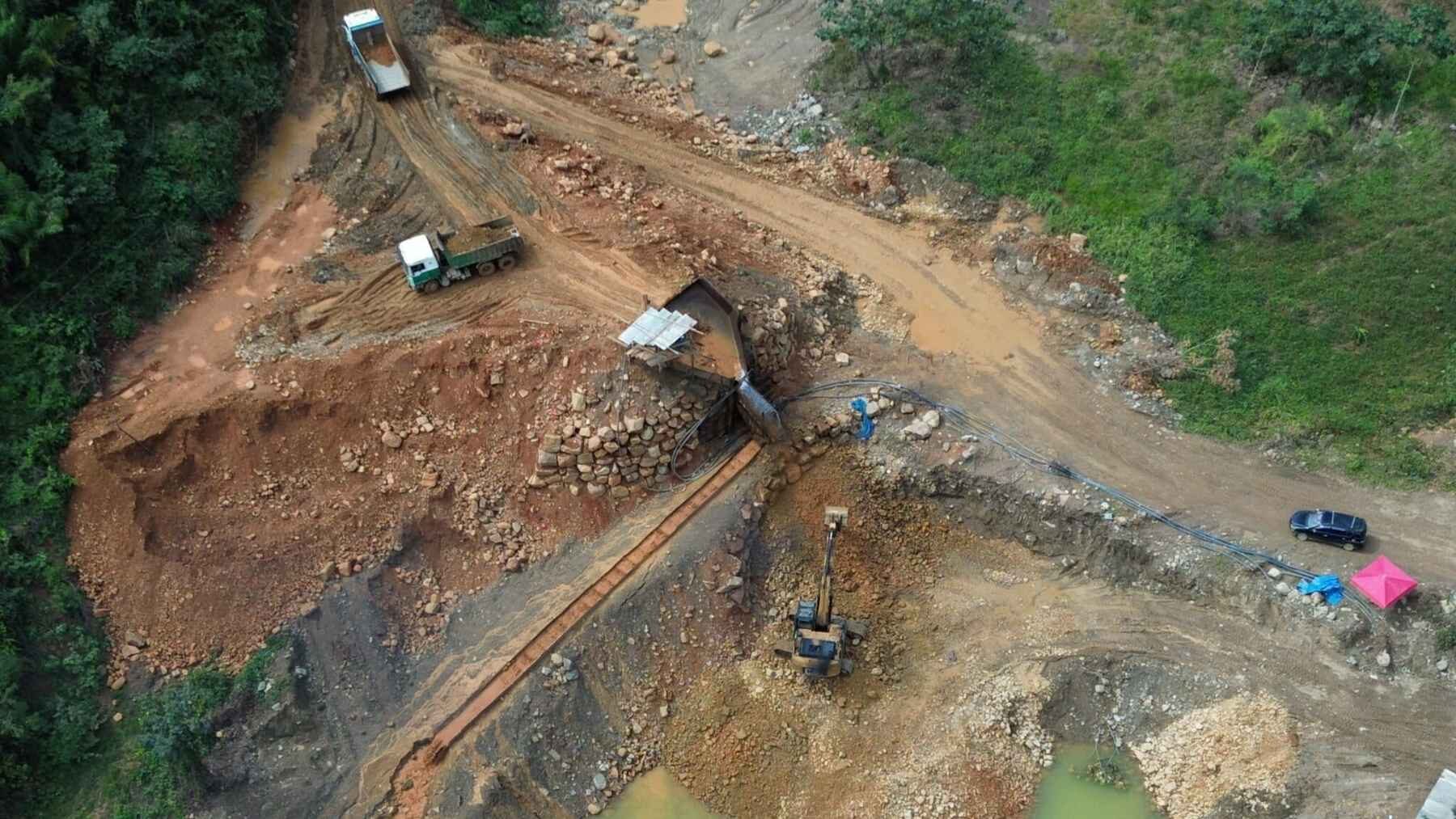
Much of the concern centers on alluvial gold mining, a method that pulls sediment from riverbeds to find gold grains. Mercury is often used to bind the gold, which makes extraction easier but can poison water and fish. Once it moves through a river, the problem does not stay put.
The World Health Organization lists mercury among the 10 chemicals of major public health concern and warns that even small exposures can threaten a child’s development before birth and early in life. The Minamata Convention exists to cut mercury releases and protect human health and ecosystems. What happens when the fish on the dinner table carries contamination from upstream?
Claudia Vega, who coordinates the Mercury Program at the Center for Amazonian Scientific Innovation (CINCIA), warned in 2025 that mercury can cross the body’s normal barriers and reach a developing fetus. Put plainly, pollution in a river can travel through fish, into a meal, and then into a child’s future. That is why the mining debate is also a health debate.
Indigenous leaders push back
Cecilia Requena, a lawmaker from Alianza Unidad, called the meeting “disastrous and macabre,” and said the government cannot sacrifice protected areas and water sources to calm one sector. Her criticism goes to the heart of the dispute. For many opponents, the question is not whether Bolivia needs jobs, but who pays the cost when gold extraction expands.
Ruth Alipaz of the Coordinadora Nacional de Defensa de Territorios Indígenas Originarios Campesinos y Áreas Protegidas demanded the immediate cancellation of the pact. She argued that it would weaken oversight, increase violence, and divide communities whose food, water, and land are tied to the same rivers. That is not an abstract fear in a country where Indigenous territories often overlap with forests that also attract miners.
Government and miners defend pact
The government rejects the claim that the agreement sweeps aside Indigenous rights. Bolivia’s Ministry of Mining and Metallurgy said prior, free, and informed consultation remains mandatory, along with environmental rules. That consultation means communities should be told about a project and be able to respond before decisions are made.
Mining leaders also say critics are misreading the deal. Josué Caricari, head of the cooperative federation, said his sector plans to follow environmental rules and that some operations involve “pre-existing rights,” claims that miners say date from before certain parks were created. Still, a pre-existing right is not the same thing as a free pass, and that is where the fight tightens.
What comes next
Now the argument is likely to move from the streets into courts, agencies, and licensing offices. Rodrigo Herrera, an environmental lawyer, said the agreement conflicts with the principle of no regression, a legal idea that says environmental protection should not be weakened after it has been established. It is a dry phrase, but the everyday meaning is clear enough: do not roll back the guardrails when the pressure rises.
The College of Biologists of La Paz reached a similar conclusion, warning that a revived regulation could clash with existing environmental protections for natural reserves. At the end of the day, what this agreement is trying to do is speed access to mining areas, while opponents argue that water, forests, and local rights cannot be treated like bargaining chips. The trouble is, the clock is moving faster than politics.
The original report has been published by Mongabay Latam.