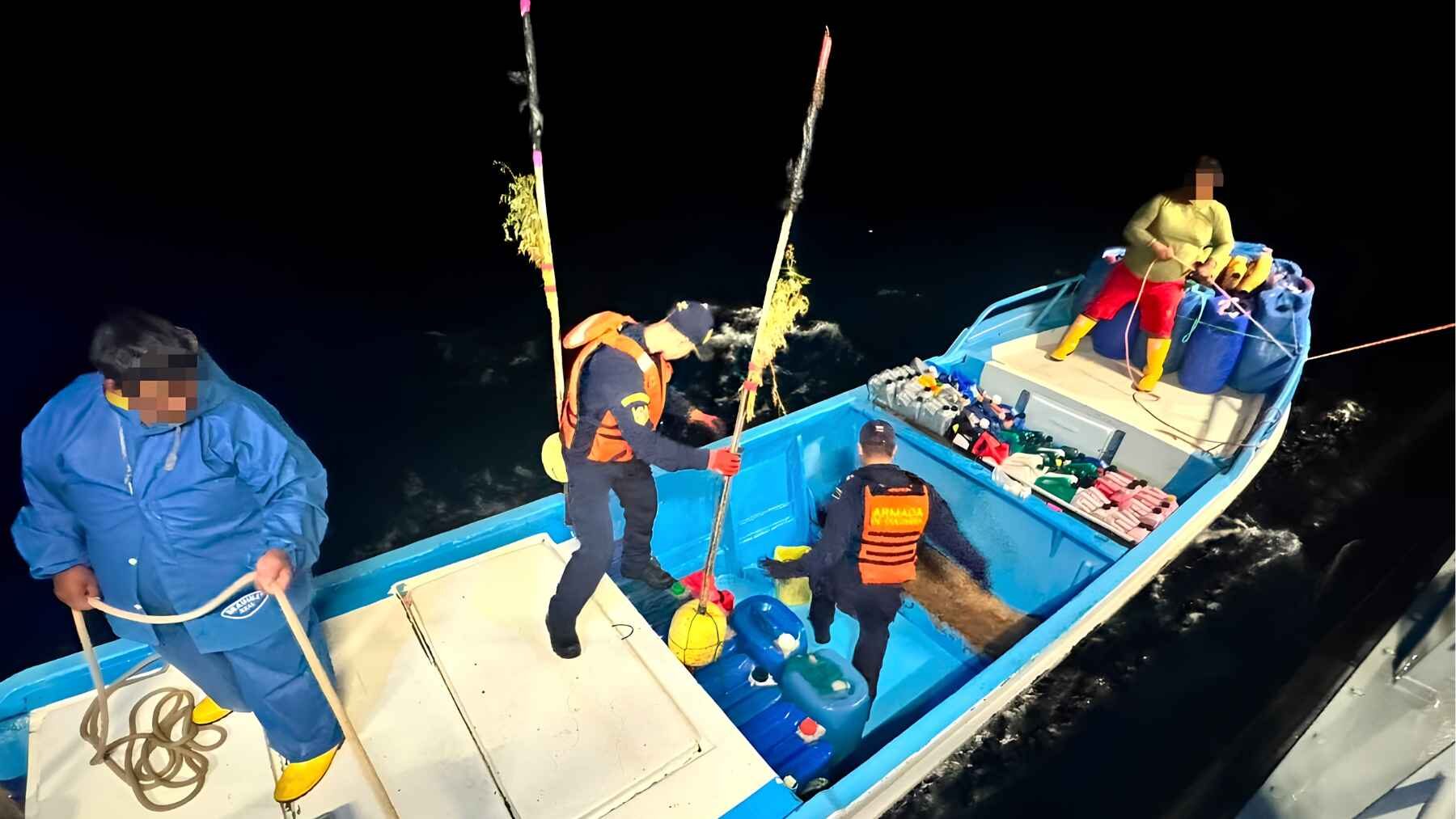
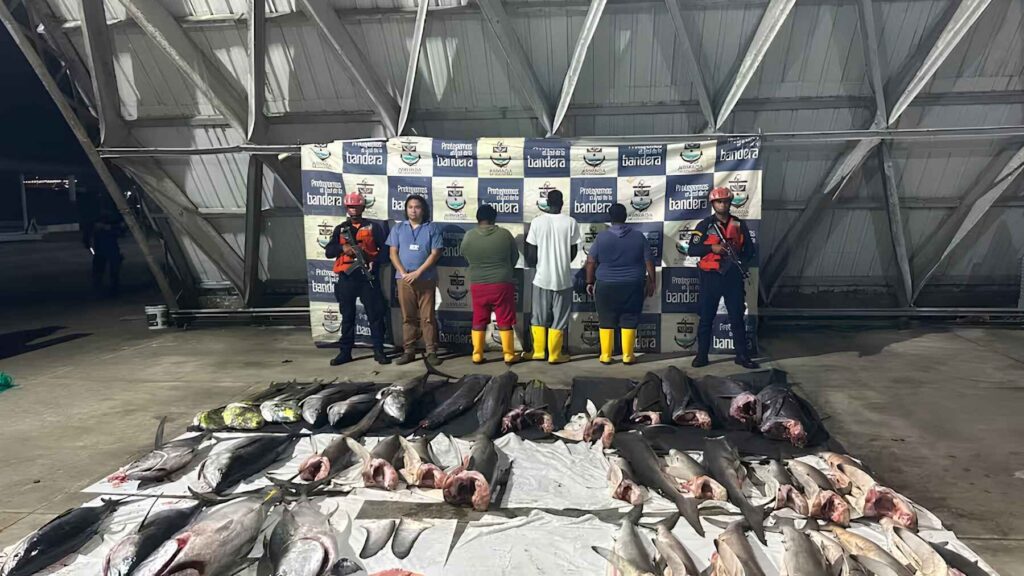
Colombian maritime authorities have intercepted a vessel carrying about 1,764 pounds of marine animals that were allegedly taken from the Malpelo Fauna and . Three Ecuadorian citizens were aboard the boat, and officials described the cargo as suspected illegally caught marine life .
The seizure puts a familiar problem back in view. Malpelo is protected and internationally known for its extraordinary marine life, but a protected boundary does not automatically keep fishing boats out.
A major seizure at sea
The Armada de Colombia said the vessel was stopped during maritime control and security operations in the Colombian Pacific. According to its announcement, the boat was carrying about 1,764 pounds of catch believed to have come from one of the country’s most important marine reserves .
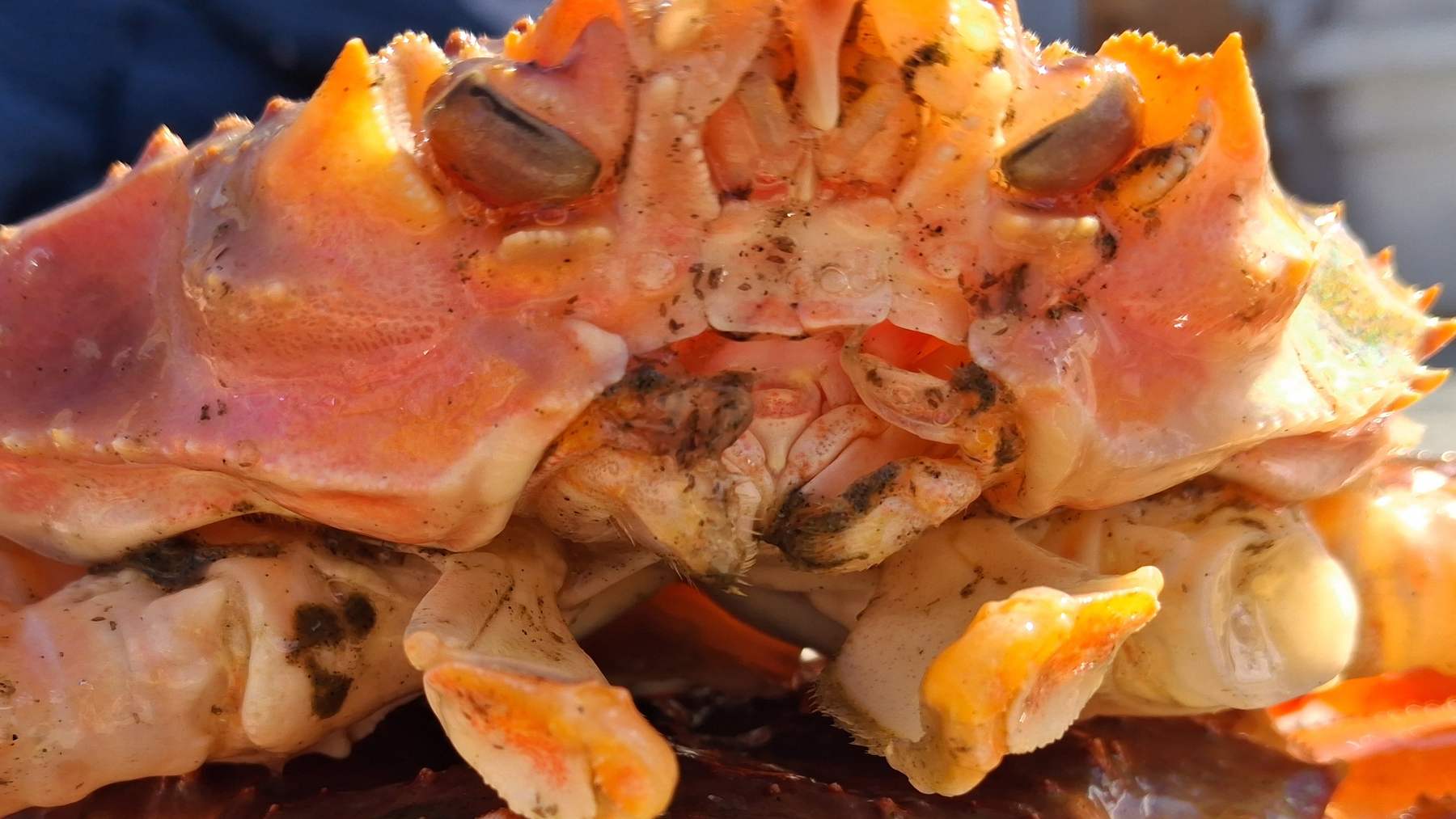
Officials did not say which species were found on board. That missing detail matters because the same total weight could represent very different numbers and types of animals, making the ecological impact difficult to measure for now.
Three crew members were referred to investigators
The three Ecuadorian nationals were placed at the disposal of the Judicial Police, according to the official account. The report did not state whether formal charges had been filed, so the alleged origin of the catch and any individual responsibility remain matters for investigators.
The confiscated marine animals were handed over to National Natural Parks . No further information was provided about their condition, how they had been stored, or what the environmental authority planned to do with them.
Why Malpelo is so important
Malpelo is one of the best-known marine areas in the Colombian Pacific. Its coral reefs and seamounts , which are underwater mountains rising from the ocean floor, create habitat for a wide range of animals .
The sanctuary is associated with hammerhead sharks, whale sharks, dolphins , humpback whales, and large schools of fish. The national park authority says Malpelo protects “one of the places with the greatest abundance of marine life in the tropical American Pacific.”
That abundance is also what attracts divers from around the world. Visitors can encounter very large bony fish and groups of hammerhead and silky sharks that sometimes exceed 100 animals, creating the kind of underwater scene that few places can offer.
Protected waters still need enforcement
What does a marine sanctuary actually do? In simple terms, it sets aside an area so wildlife and habitats can be conserved rather than treated like an ordinary fishing ground.
But the designation is only one part of protection. Patrols, vessel interceptions, investigations, and cooperation between agencies are what turn a boundary on a map into something that can be enforced at sea.
This case shows the practical challenge. Malpelo may be globally recognized, yet authorities still have to detect boats, inspect their cargo, and determine where the animals were caught.
The unknown species are a key gap
The official announcement gave the total weight but no species list. Without that information, it is impossible to know whether the haul included common fish, sharks, other protected wildlife, or a mixture of animals.
It is also unclear how many individual animals were involved. Nearly 1,800 pounds could mean a large number of smaller fish or a much smaller number of heavy animals, and those two scenarios would carry different conservation concerns.
Other questions remain open, including the exact fishing location, the gear used, and whether authorities recovered evidence linking the catch directly to the sanctuary. Those details could shape both the environmental assessment and the judicial case.
Why the seizure matters for conservation
Removing a large volume of marine life from a protected area can undermine the purpose of the reserve, especially when the site shelters dense schools and major predators. The issue is not only the weight on the deck but also what may be missing from the ecosystem afterward.
For the most part, marine reserves are created so wildlife can feed, reproduce, and move with less human pressure. Illegal extraction cuts against that goal and can be especially troubling in places valued for their concentration of sharks, large fish, whales, and dolphins.
There is also a broader public interest. Malpelo’s wildlife is central to conservation and draws divers from around the world, so damage to the sanctuary can reach beyond the animals removed during a single incident.
Authorities call for public reports
In a brief video accompanying the announcement, the naval force asked residents and seafarers to report acts that threaten natural resources, particularly inside protected areas. That appeal recognizes that enforcement agencies cannot see every vessel across the ocean.
Public information may help authorities identify suspicious activity, but the next important facts will come from the investigation. Species identification, the confirmed capture location, and any resulting legal action will determine how serious this specific case proves to be.
For now, the confirmed picture is limited but significant. A boat carrying about 1,764 pounds of marine animals was intercepted, three people were referred to judicial authorities, and officials suspect the catch came from one of the most biodiverse protected areas in the Colombian Pacific.
The announcement was published by the Armada de Colombia .