A suitcase can look ordinary from the outside. Inside, it may hold the remains of a shark, a bundle of dried seahorses, or marine animals packed for a long, stressful flight.
A new study suggests that artificial intelligence could give airport and mail inspectors a better way to spot that hidden trade. Researchers trained software to scan 3D X-ray images and flag shark fins, seahorses, and sea cucumbers, three products tied to the illegal movement of marine wildlife.
A hidden ocean trade
When people picture wildlife trafficking, they often think of elephant ivory, rhino horn, or rare birds. But ocean species are also being moved through airports, mail routes, and passenger luggage, often in shipments small enough to blend into the daily rush.
The risk is not only about one bag at one airport. Illegal wildlife trade can drain wild populations, spread disease, introduce invasive species, and feed criminal networks that already know how to move goods quietly across borders. The United Nations Office on Drugs and Crime reported that wildlife trafficking affected about 4,000 species in 162 countries between 2015 and 2021.
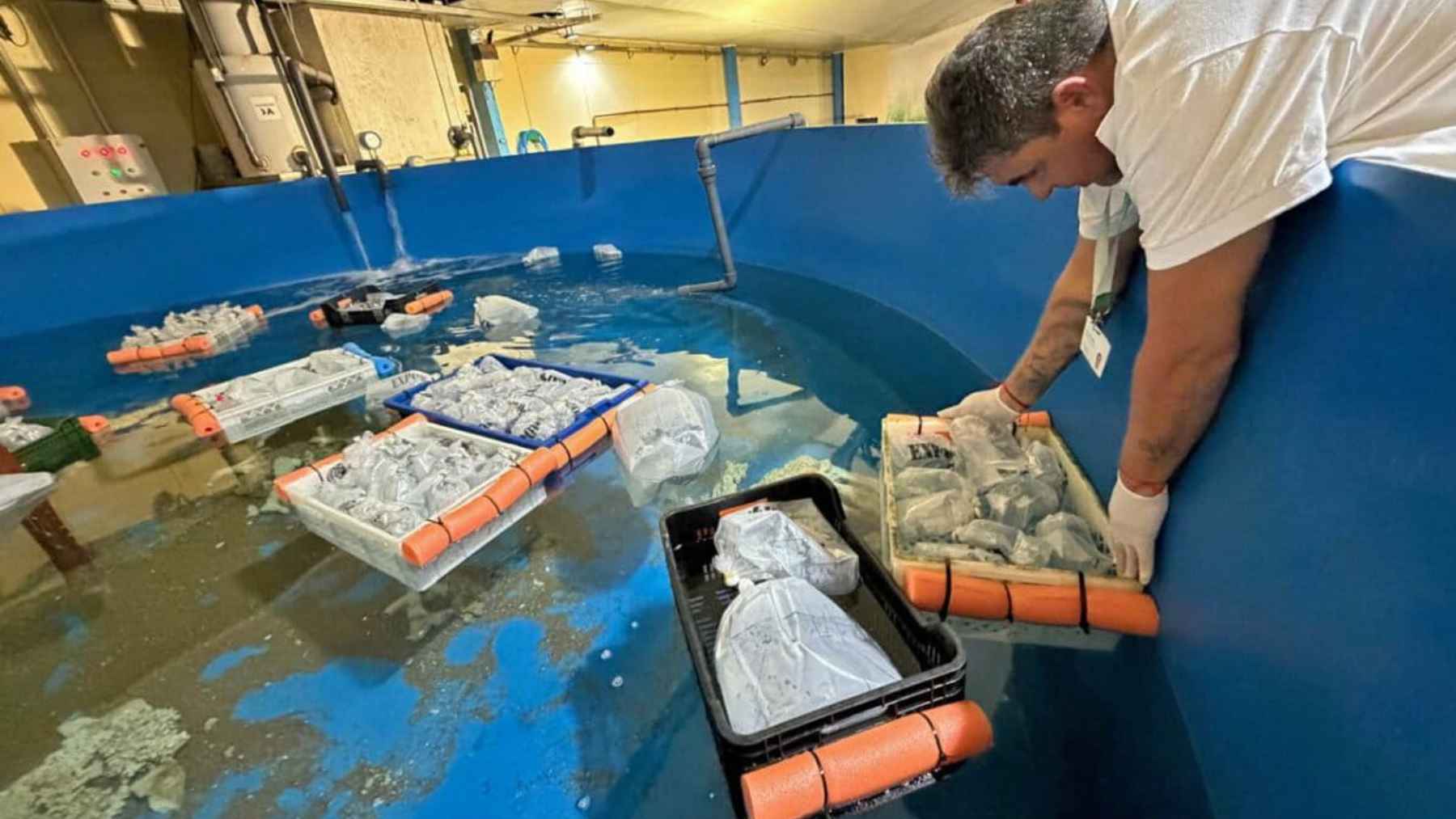
That hidden side became hard to ignore in Argentina. On April 26, 2026, authorities seized more than 700 marine animals at Ezeiza International Airport near Buenos Aires after a shipment from Kenya spent about 120 hours in transit. Many arrived dead or in shock, and rescuers set up extra tanks to stabilize survivors.
How the AI learned
Vanessa Pirotta, a marine biologist at Macquarie University in Australia and lead author of the new paper, worked with colleagues to teach computers what smuggled marine wildlife can look like inside a bag. In simple terms, the AI was trained to recognize shapes and densities in 3D X-ray scans, which can show an item’s volume rather than only a flat outline.
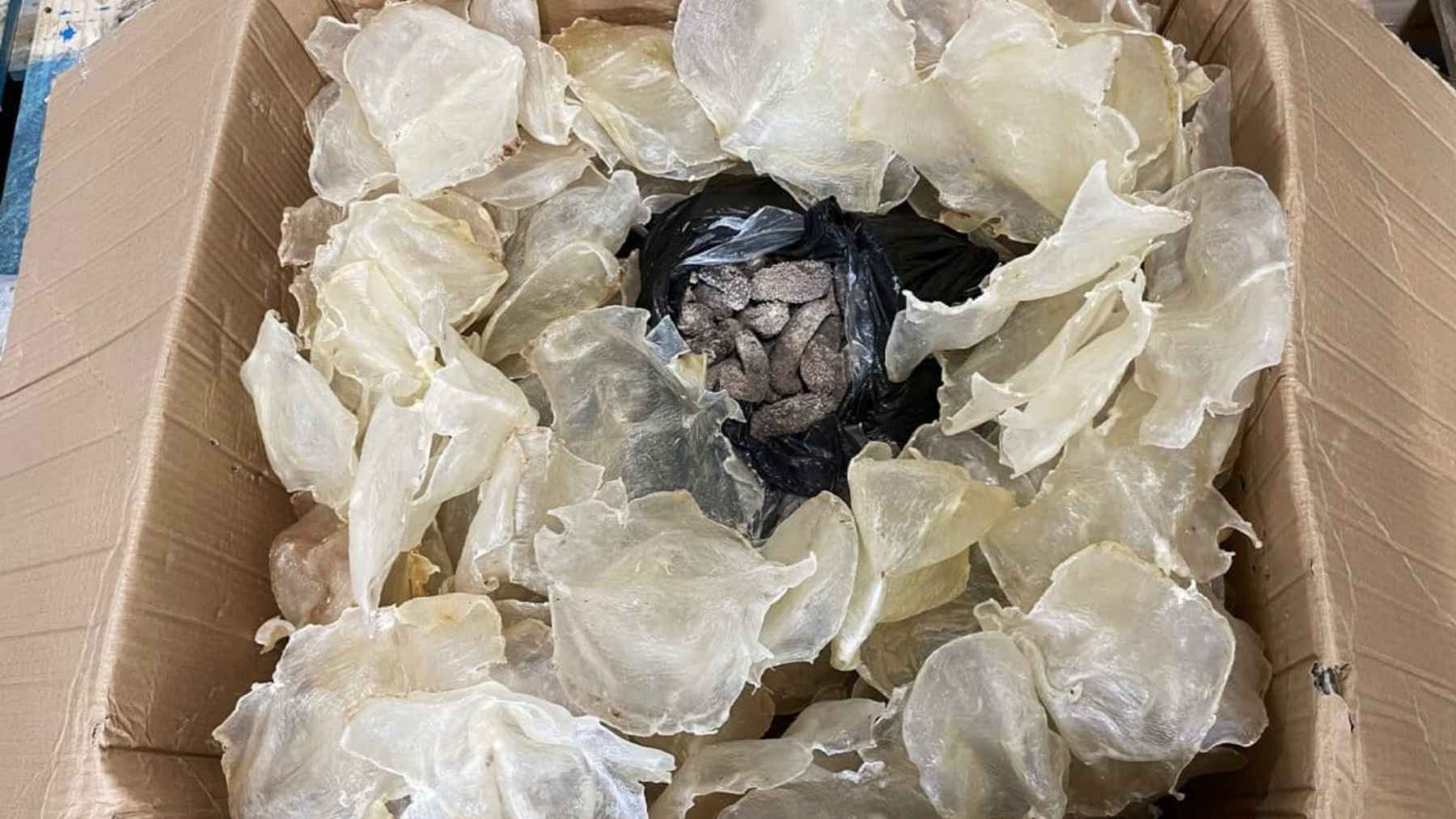
The team used 68 dead samples, including shark fins, seahorses, and sea cucumbers. Many came from Australian Museum collections after earlier seizures, while other examples helped researchers understand what real trade items can look like when dried or packed. The scans used a 3D X-ray system from Rapiscan Systems, a security company that also helped fund the work.
Then came the practical part. The samples were scanned alone and hidden inside luggage with everyday clutter such as clothes and toys. The marine work also builds on a 2022 study that used 3D X-ray imaging and automated algorithms to detect illegal wildlife trafficking involving land-based species.
What the scans found
The results were strong enough to get attention. The algorithm detected shark fins 95 percent of the time, seahorses 96 percent of the time, and sea cucumbers 86 percent of the time, with an overall detection rate of about 92 percent.
That does not mean every smuggled item would be caught in the real world. Bags are messy, traffickers adapt, and airports are busy. Still, a second set of eyes matters.
A tired inspector looking at one X-ray after another may miss a shape that software has been trained to flag. In practical terms, a warning on a screen can be the difference between opening a suspicious bag and letting it roll away.
Why the job is harder than it sounds
Sea cucumbers were the toughest target. That may sound surprising, but it makes sense once you picture them. A dried seahorse has a fairly recognizable outline, while sea cucumbers can vary much more in size and shape.
That variation matters because AI learns from examples. If a product comes in many forms, the system needs more images before it can make better calls. It is a bit like learning to identify cars in traffic after seeing only a few models.
Pirotta has been careful about what the tool can and cannot do. She told Mongabay that “AI could complement this system,” describing it as an assistant for officers on the front line. A UNODC spokesperson said detection is only the first link in a longer chain, because people still turn a flagged bag into evidence.
Fish are wildlife too
One reason this crime slips past public attention is simple. Fish do not always trigger the same emotional response as elephants or tigers. Sarah Foster, a University of British Columbia fisheries researcher, told Mongabay that a major challenge in ocean conservation is getting people to recognize fish as wildlife.
That idea changes the story. A dried seahorse in a suitcase is not just a strange souvenir, and a shark fin is not just a luxury ingredient. It is part of a supply chain that can pull animals from reefs, pressure fragile ecosystems, and hide cruelty inside ordinary travel routes.
Global enforcement data show why officials are paying attention. Operation Thunder 2025, coordinated by the World Customs Organization and INTERPOL, involved 134 countries and led to 4,640 seizures, nearly 30,000 live animals, and more than 270 U.S. tons of protected marine wildlife, including 4,000 shark fins.
What comes next
For now, this AI system has only been tested on dead, mostly dried samples and on 3D X-ray machines. That limits where it can be used. Not every airport, mail center, or border post has the same equipment, even if 3D scanning is becoming more common.
The next step is expanding the “recipe” so other teams can train models for more species and more regions. That could include different fish, coral products, mollusks, or local trafficking patterns that inspectors already see but struggle to catch at scale.
At the end of the day, the promise here is not a magic machine. It is a sharper checkpoint, one that helps humans notice the hidden ocean trade before the evidence disappears into baggage belts, cargo rooms, or the mail.
The official study has been published in Frontiers in Ocean Sustainability.