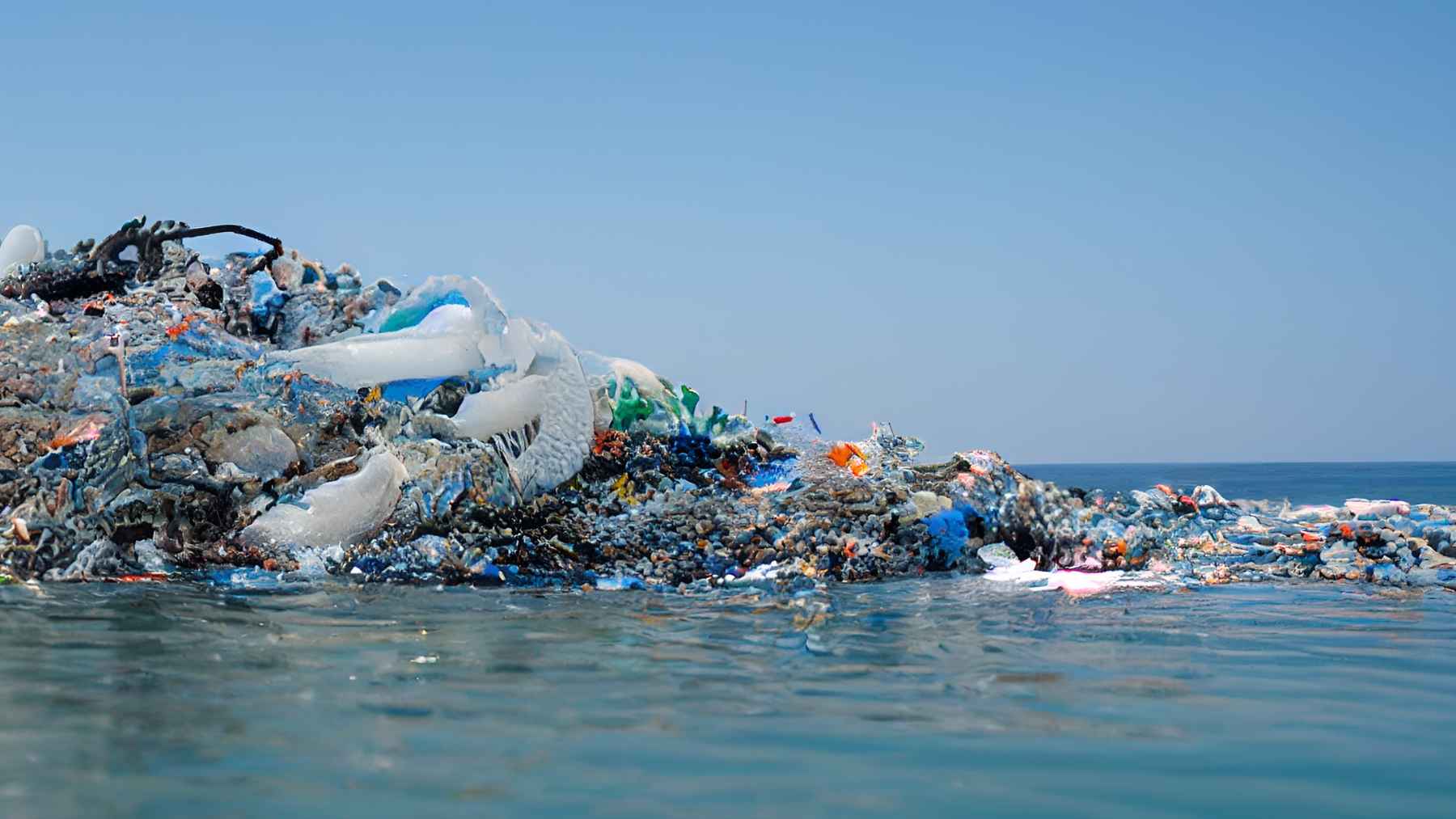
The Great Pacific Garbage Patch has long been treated as a symbol of what humanity throws away. Scientists, however, are now warning that it is also becoming something stranger, a human-made habitat where coastal animals are surviving far from shore.
In the North Pacific Subtropical Gyre between California and Hawaii, researchers found dozens of coastal species living on plastic debris, including evidence that some are reproducing there. That finding does not turn trash into a good thing. It does mean the cleanup conversation has become more delicate.
A plastic coast at sea
The North Pacific Subtropical Gyre works like a slow-moving trap. Currents draw floating objects inward, so bottles, ropes, fishing nets, crates, and buoys can linger instead of washing away.
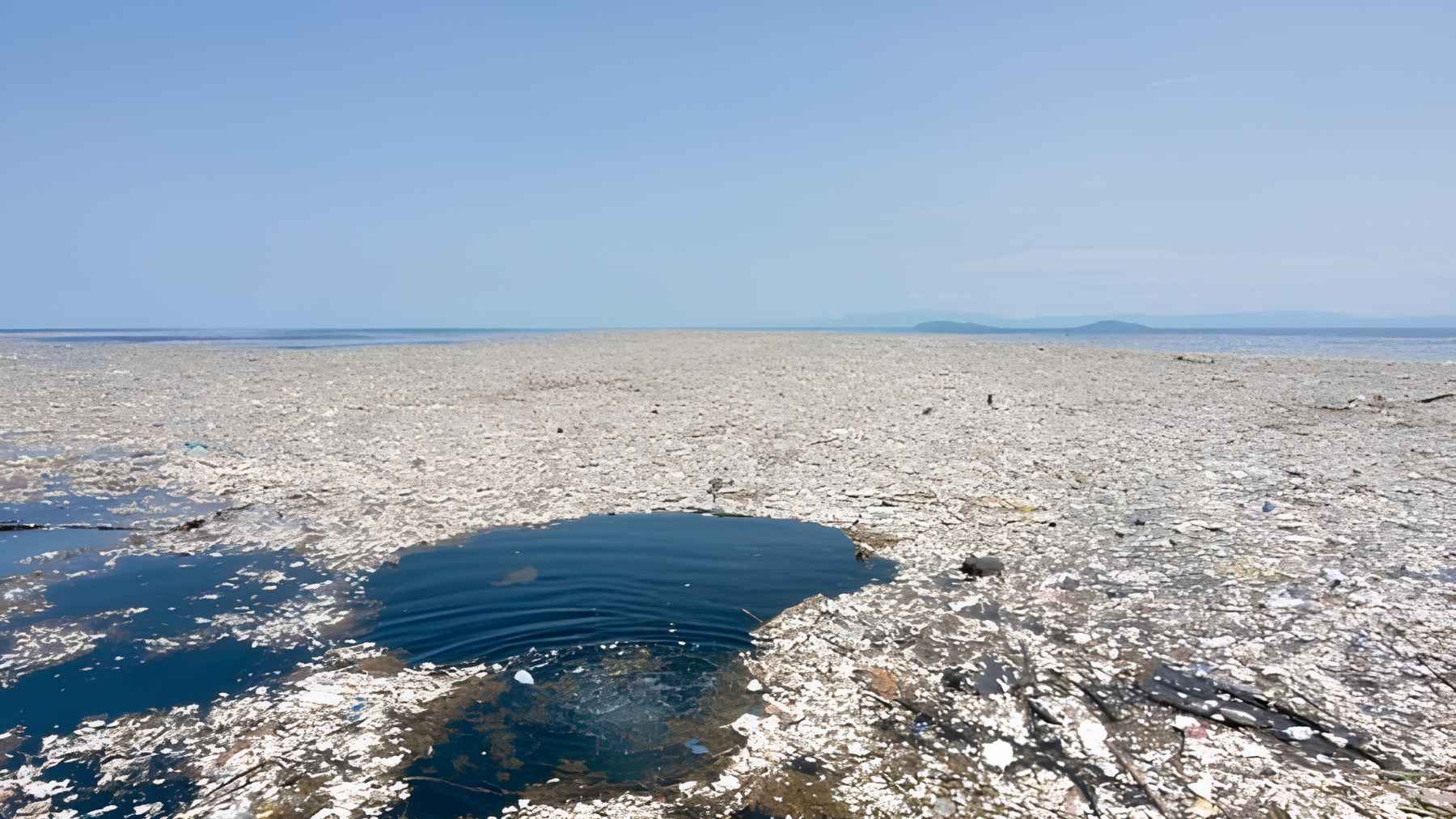
The Ocean Cleanup estimates that the Great Pacific Garbage Patch covers about 620,000 square miles and contains more than 1.8 trillion pieces of plastic weighing roughly 110,000 U.S. tons. Still, this is not a solid island of garbage. It is scattered debris, mixed with tiny fragments and larger objects, drifting through an enormous stretch of open ocean.
That matters because hard plastic lasts. Unlike driftwood or kelp, which can rot, sink, or be eaten, plastic can keep floating for years. For small marine animals looking for a place to cling, that durability changes the rules.
What the team collected
To study what was living there, scientists joined research cruises into the eastern part of the gyre. Crew members collected 105 floating plastic items that were at least about 6 inches long, wide, or tall, including bottles, buoys, crates, nets, ropes, buckets, and heavily colonized “wildcard” objects.
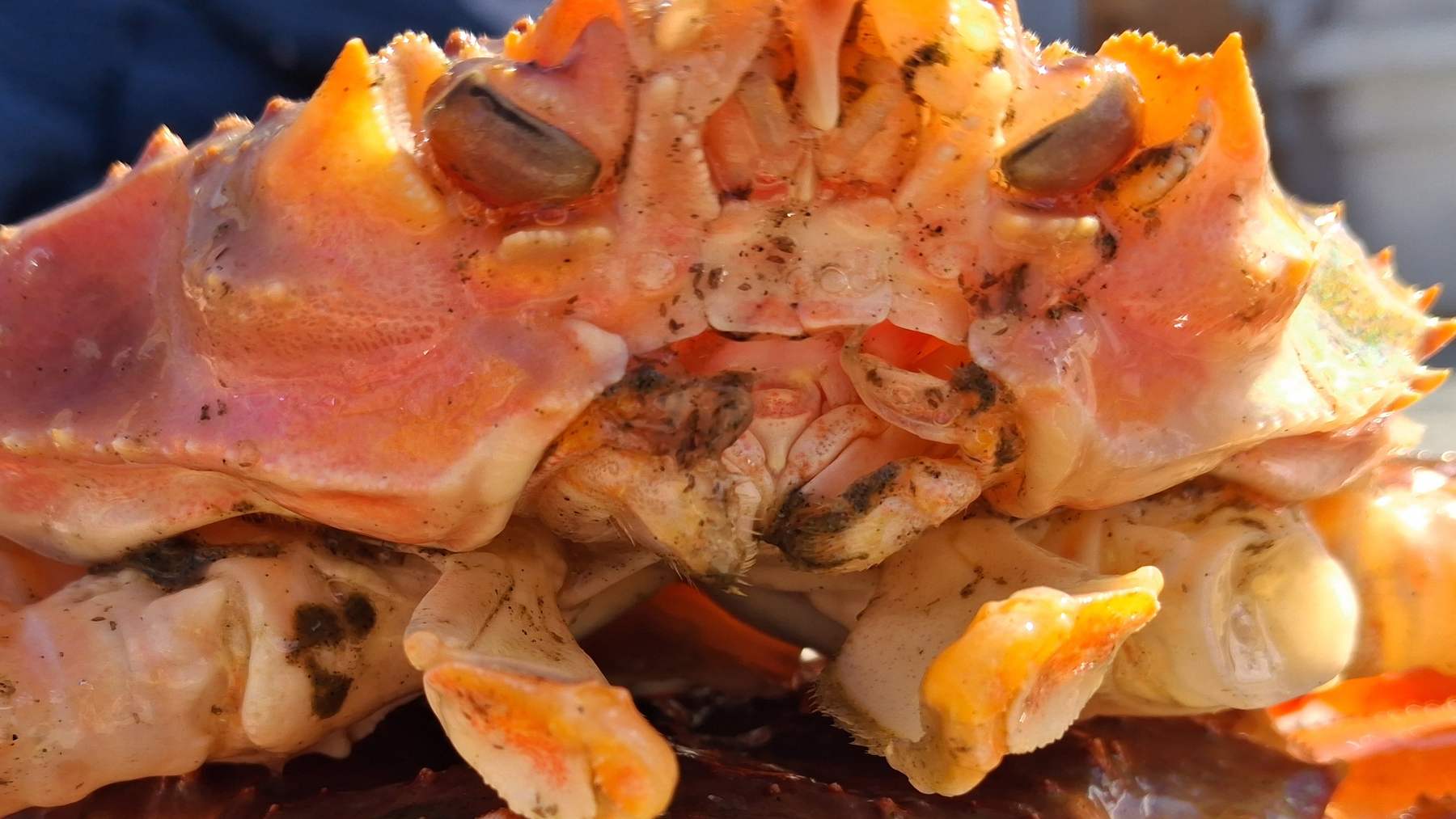
Back in the lab, taxonomists inspected the debris for invertebrates. They found barnacles, crabs, amphipods, bryozoans, hydroids, sea anemones, and other animals without backbones.
In total, the team identified 46 invertebrate taxa across six major animal groups. Of those, 37 were coastal taxa and 9 were open-ocean taxa, meaning coastal species outnumbered the expected pelagic species by about three to one. Coastal taxa appeared on 70.5% of debris items.
Not just passengers
Here is the big question. Were these animals simply stranded, or had they found a way to make the open ocean work?
The evidence points to more than a one-way trip. Researchers reported brooding females in some crustaceans, reproductive structures in hydroids, and different size classes living together on the same pieces of debris. In plain terms, they found signs of reproduction and growth.
That is a much bigger deal than spotting a crab on a floating bottle. Tiny juveniles, medium-sized animals, and adults sharing the same plastic surface suggest that at least some species are not merely hitchhiking from the coast. They may be building new generations on the raft itself.
Why plastic changes the rules
For a long time, many biologists treated the coast and the open ocean as separate worlds. Coastal animals belonged on rocks, piers, reefs, docks, and shorelines. Pelagic species were the ones expected to thrive in blue water.
Plastic has blurred that line. The study suggests that the old barrier may not have been only the harshness of the open ocean, but the lack of long-lasting surfaces. Add enough floating plastic, and suddenly there are hard platforms where none used to exist.
Some species are especially suited to this strange life. Animals that can reproduce asexually, or whose young do not need to drift far through the water, can keep a colony going on a small floating object. It is not exactly a reef. Yet for these creatures, it may be close enough.
The cleanup dilemma
The obvious response is to remove the plastic. For the most part, that is still where the science points, because plastic can entangle animals, be eaten by wildlife, break into microplastics, and carry chemicals through the food web.
A 2025 Scientific Reports assessment found that marine life in the North Pacific Garbage Patch was generally more vulnerable to macroplastic and microplastic pollution than to cleanup activities. At the same time, the researchers stressed that cleanup plans need careful impact assessments, because removal work can also disturb surface organisms and rafting communities.
That is the uncomfortable part. If plastic has become habitat, pulling it out is not as simple as scooping litter from a park. Leaving it in place, however, means allowing a human-made material to keep reshaping ocean life.
A new kind of open-ocean community
Researchers describe this emerging mix as a “neopelagic” community. “Neo” means new, and “pelagic” refers to life in the open ocean. It is a fitting name for a world that should not exist in quite this way.
This does not mean coastal animals have taken over the high seas. It does mean plastic pollution has created new opportunities for species to survive, reproduce, and travel across distances that once would have been much harder to cross.
There is also a risk that some of these travelers could arrive in vulnerable coastal ecosystems later on. Not every species will become invasive, of course, but the more durable rafts there are, the more chances there are for marine life to move in unexpected ways.
What happens now?
The finding gives scientists, cleanup groups, and policymakers a tougher job. They need to reduce plastic at the source, remove existing debris where it can be done responsibly, and study the life attached to it before acting too quickly.
At the end of the day, the Great Pacific Garbage Patch is not just a trash problem anymore. It is becoming an ecological experiment, and humans started it without meaning to.
The main study was published in Nature Ecology & Evolution.